Wednesday, 24 May 2023

Off the radar: The offbeat charms of New Zealand’s Ripiro Beach

Thundering waves crash along 100km of wild, dune-backed sand on Northland’s west coast, accompanied by effervescent sea spray. This is Ripiro Beach, otherwise known as The Shipwreck Highway, where shifting sands reveal and then reclaim the fractured timbers of long-buried vessels. Visitors in search of these skeletal ships can drive or horse ride the whole length of the beach. Around 110 ships are known to have met their end along this turbulent shore three hours from Auckland. These include a legendary 15th-century Portuguese vessel, allegedly spotted just once before disappearing again under the waves. 

The long expanse of Ripiro Beach. Photo: Baylys Beach Holiday Park

It’s this air of mystery and the sense of shifting identities that attracts people to Ripiro, whether for one trip or every summer. It seems to have a special lure for creatives, from writers and painters to masters of the arts of fishing and gastronomy. The common denominator that appeals to all is the wild and bedazzling ocean, serving up inspiration and ingredients, whether these artists are working on canvas or over a grill.

Painter Sean McDonnell has been capturing Ripiro’s surf-swept landscapes in abstract geometries of land, sea and sky for 15 years. He showcases his bright blocks and swirls of oil paint at his own Kelly St Gallery. From painting to writing, the shifting sands of her own story brought author Caroline Barron to Northland to research her family’s past. When she first visited, she felt as if somehow she’d been to Ripiro before. 

“It wasn’t until after we’d bought a beach house here in 2016 that it came to light that this is the area my Māori ancestors came from,” she says. Restoring the 1930s-era beach house (now a charming Airbnb) and exploring Ripiro’s wild sands helped Barron heal as she explored her own history, clouded by mystery and tragedy. This ultimately inspired an award-winning memoir, named for the beach she now calls her summer home.  

Barron’s charming board-and-batten house is one of a collection of colourful ocean-chic dwellings that make up Baylys Beach, a small settlement to the north, considered to be the gateway to Ripiro’s many kilometres of sand and dunes. Another is local marriage celebrant’s Josie Scott’s delightfully historic 1920s bach (a NZ term for a beach house). Its yellow clapboard exterior is as distinctive and inviting as its evocative vintage interior. 

It’s this air of mystery and the sense of shifting identities that attracts people to Ripiro, whether for one trip or every summer

Just as inviting is Scott herself, who has an easy smile and is known for adding personal touches, such as freshly-baked goodies, for those who stay at the cute beach hut. “We love helping guests have a meaningful stay,” she explains. “We kept as many original features as possible, so you get to experience a traditional Kiwi holiday.” 

Josie’s husband Graeme is happy to take guests wanting to channel their inner Hemingway out for night-fishing forays. Or visitors can strike out on their own, joining the locals surfcasting for kahawai and kingfish, or wading into the shallows to net grey mullet. The local catch can be enjoyed cooked over the bach’s barbecue grill. 

Josie Scott’s Baylys Beach Bach. Photo: Josie Scott

Alternatively, an icon of New Zealand seafood can be sampled at Sharky’s, a laidback diner a few minute’s walk from the Baylys Beach shore, quirkily decorated with broken vinyl records. Its generously portioned NZ green mussel fritter burger is an oval of seafood succulence well deserving of its iconic status. Another favourite is pan-fried gurnard with roasted kumara (sweet potato) salad. And the New Zealand food-and-drink flag is kept flying with beers from Kiwi breweries such as Monteith’s and Speight’s.

After dinner, according to artist McDonnell, there’s one thing you absolutely must do at the end of a long summer day in Ripiro: “You experience the best sunsets in New Zealand from here,” he says simply. 

After sunset, Ripiro’s isolated coastal location makes it a prime stargazing hotspot, offering stunning celestial vistas. Lying on the sand gazing upwards, as your eyes adjust, the shimmering arc of the Milky Way comes into view. It makes writer Caroline Barron’s description of Ripiro come dazzlingly to life: “There’s something ancient and compelling about this beach.” 

A stunning Ripiro Beach sunset. Photo: Sara Allsop

What to Eat 

Check out the seafood chowder at Blah Blah Blah cafe, a few miles inland in Dargaville. 

Dig in the sand for local clams – tuatua – and cook them up back at your bach. They’re delicious with garlic and wine, or minced into fritters and served fried with lemon.  

What to See 

Discover the history and culture of this whole area of Northland at the Dargaville Museum. While in Dargaville, visit the Woodturners Kauri Gallery to browse crafts including wooden bowls made from ancient wood found at Ripiro. Take in Sean McDonnell’s seascapes at the Kelly Street Gallery, 3 Kelly St, open by appointment.

The white sand Kai Iwi Lakes, 30 minutes’ drive from Baylys Beach, are ancient dune lakes offering an idyllic and tranquil spot for water sports, a contrast to the waves and currents of Ripiro. 

The 19th-century wooden Pouto Lighthouse, at Ripiro’s southern tip, is an iconic landmark in a stunning location.  

Calm waters at the nearby Kai-Iwi Lakes. Photo: Shutterstock

What to Do 

You’ll see plenty of people driving or quad biking along Ripiro’s sands, but there’s growing evidence that this is harming the local ecosystem, crushing young shellfish for example. Better options for adrenaline thrills include surfing, paragliding, parasailing, land yachting or horse riding. 

Where to Stay 

As well as Josie Scott’s 1920s cottage, Caroline Barron’s Big Tree provides a holiday let for larger groups (three bedrooms, six beds) in a secluded setting at Baylys Beach, surrounded by native bush. 

The Baylys Beach Holiday Park offers a diverse array of accommodation options, including camping, budget cabins and self-catering cottages.

Ripiro Beach is a three-hour drive from Auckland Airport. To learn more or book a flight to Auckland on Singapore Airlines, visit the official website.

The post Off the radar: The offbeat charms of New Zealand’s Ripiro Beach appeared first on SilverKris.


from SilverKris

Wednesday, 17 May 2023

The NCO Club

Located in a conserved heritage building – the former Non-Commissioned Officers’ Club of the Singapore military, The NCO Club now houses four spots to wine and dine. Dive in to a raw bar and cocktails with underwater mermaid performances at Fish Pool or swing by music lounge Cool Cats for live jazz, blues and R&B. The luxurious Madame Fan showcases modern Cantonese cuisine with a stunning cocktail bar but for a more laidback evening, the private wine reserve at the Stags’ Room is a great spot for a quiet drink and conversation.

The post The NCO Club appeared first on SilverKris.


from SilverKris

Tuesday, 16 May 2023

How the night shift at Singapore Airlines keeps operations ticking all day long

Running a major international airline is no easy feat. From flight planning to crew schedules, there is a colossal joint effort behind the scenes at Singapore Airlines (SIA) to make sure everything runs smoothly.

With flights departing and arriving day and night, multiple teams work round-the-clock to ensure this well-oiled machine ticks no matter the time. In fact, certain teams at SIA work deep into the night to support airline operations.

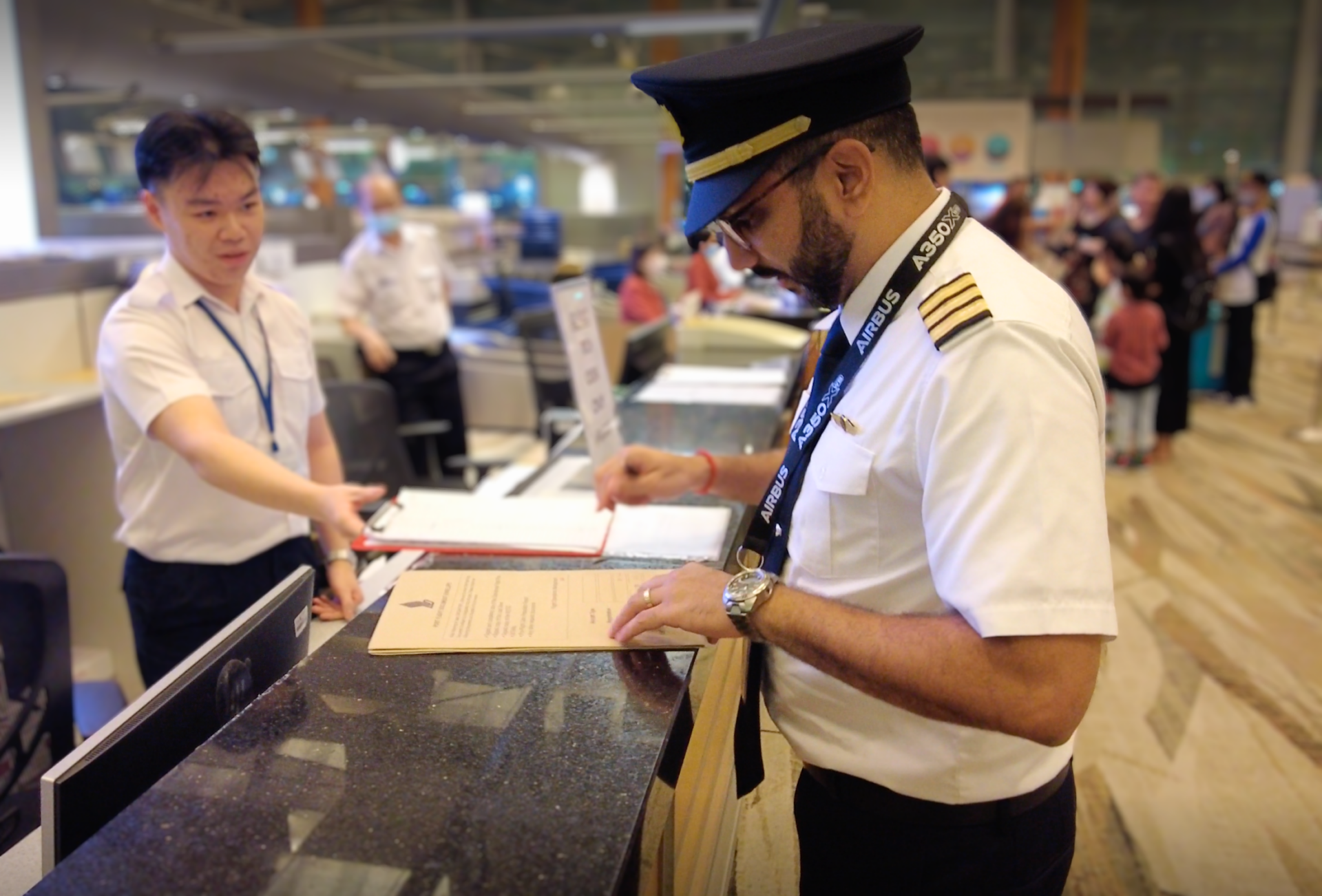
In this exclusive feature, we speak to Associates Benson Khoo and Umar Nagaratnam (pictured above) at the Cabin Crew Control Centre, as well as Senior Executive Jim Wong and Lead Flight Dispatcher Nabilah Anuar from the Flight Dispatch team for a glimpse of what goes on behind the scenes during the night shift at SIA.

SIA cabin crew at their pre-flight briefing

Ensuring flights are fully staffed

Housed within Changi Airport Terminal 3, the Cabin Crew Control Centre ensures that all flights are staffed with the correct number of cabin crew and that all crew-related operations run smoothly. With almost 8,000 cabin crew members, this is a massive undertaking that requires both the high-tech wizardry of data analytics and the resourcefulness of human employees.

“We are trained to manage crew rosters, and make sure that flights depart with sufficient or the optimum number of cabin crew,” says Associate Umar Nagaratnam, who has been with SIA for 38 years, 17 of which have been with Control Centre.

With the possibility of additional challenges such as flight delays, cancellations and diversions, it takes someone with a cool head to manage the demands of the role.

“On this job, time is of the essence,” says Associate Benson Khoo. “Whenever a cabin crew member reports sick, we’ll have to activate other crew members on standby to make sure they report for their flights on time.”

Charting the right flight path

For every aircraft that takes to the sky, a lot goes on behind the scenes at the Flight Dispatch department to ensure an efficient flight plan.

“When pilots fly from point A to B, they will have to fly over many countries,” explains Senior Executive Jim Wong. “We [map this out] on a flight plan and submit it to Air Traffic Control.”

Nabilah Anuar and Jim Wong work the night shift charting out flight plans

A seasoned expert, Wong makes it sound simpler than it is. During flight planning, a flight dispatcher must also take into consideration the payload, environmental conditions, aircraft performance and route availability, among other factors. He or she also has to monitor meteorological data and weather events such as typhoons and volcanic activity to ensure a safe flight path is planned for each flight.

Lead Flight Dispatcher Nabilah Anuar, who is entering her sixth year with the Flight Dispatch team, says she actually prefers doing the night shift. “In the mornings, you get both long- and short-haul flights,” she says. “At night, it’s a mix as well but the gap between each flight is longer.”

SIA pilots review their flight plans before every flight

But that doesn’t mean the night shift runs low on work. In fact, the dark hours are a critical time for preparing for the morning rush of operations at the Singapore hub. Aircraft changes and the pre-planning of long-haul and ultra-long-haul operations take place at night using advanced flight planning tools to further optimise flight paths. These include flights to and from Europe and the United States.

“We are doing the backend work that make the morning shift a lot more pleasant,” Anuar says.

The Flight Dispatch department is just one of many teams who work through the wee hours to ensure operational continuity at SIA. In the next edition, we find out what goes on behind the scenes at the Operations Control Centre and the Customer Care Team.

The post How the night shift at Singapore Airlines keeps operations ticking all day long appeared first on SilverKris.


from SilverKris

Thursday, 11 May 2023

Maison 21G

Produced by SilverKris for Maison 21G

Blend your own perfume and home scents with Maison 21G’s wide range of high-quality natural ingredients. Housed in elegant Shoppes at Marina Bay, this collaborative olfactory house allows you access to the finest ingredients and skilled scent designers to help you create a bespoke fragrance all your own. With over 50 scents to play around with and endless bottle design possibilities, it’s a fun and interactive way to unleash your creativity, express your personality and bring home a unique memento of your Singaporean adventure. A perfect gift for a loved one or a treat for yourself.

The post Maison 21G appeared first on SilverKris.


from SilverKris
Tuesday, 9 May 2023

Why birdwatching could be the next big thing in Singapore

“Steady… Steady… Okay now, now, now!” someone shouts, as tens of camera shutters flutter around me. I’m at an unassuming HDB carpark in Queenstown, where around forty people have gathered around a tree under the searing midday sun. The source of the excitement? A slightly grumpy-looking fluff ball balanced on a branch – a baby Grey-rumped treeswift whose dad is elegantly swooping down to feed her lunch. I coo over the heartwarming scene from the barrels of my binoculars, and realise there’s no denying it: I am now a full-fledged birder. 

“Birding in Singapore has undoubtedly grown as a hobby over the last five years or so,” says Raghav Narayanswamy, a 21-year-old volunteer at the Singapore Birds Project.

“While part of that was due to people having more time on their hands during Covid-19, a growing interest in photography might also be [a contributing factor] as people want to take good pictures of birds and build a ‘collection’ of sorts.”

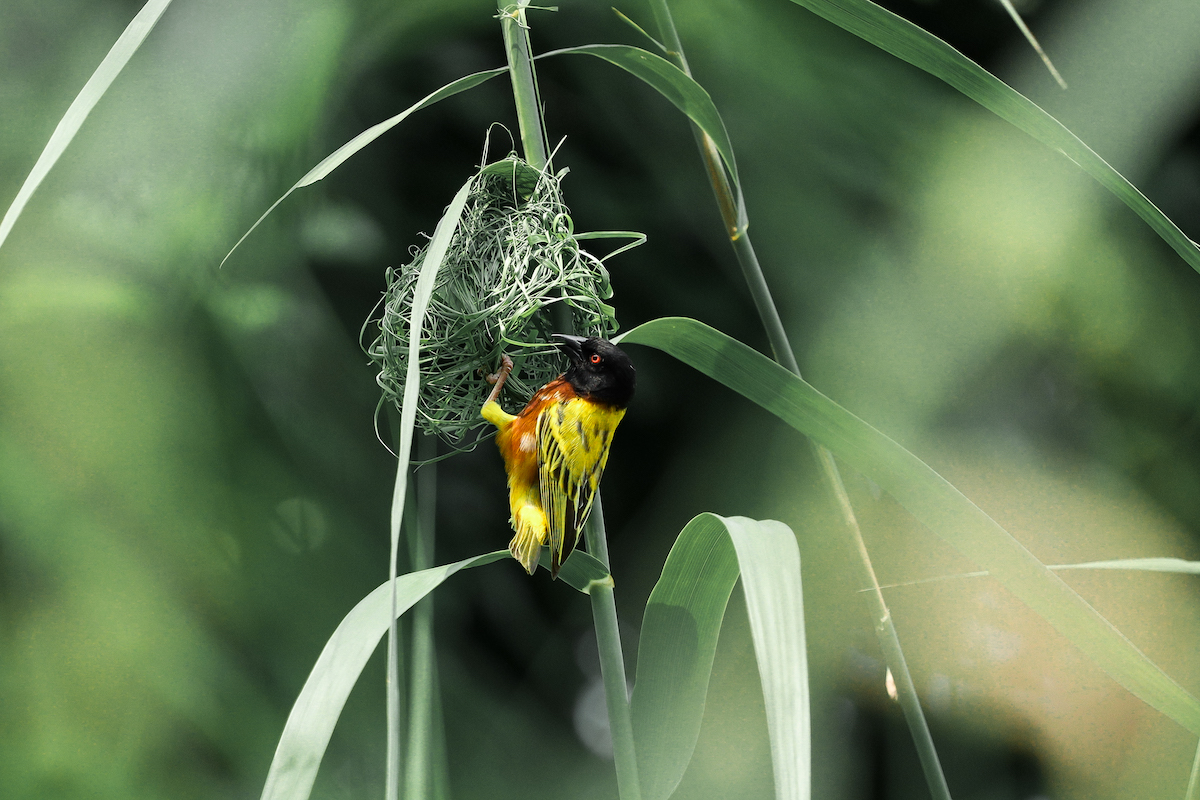
A Golden-backed weaver, sighted around the Lorong Halus wetlands and Kranji Marshes. Image credit: Dan Teo

Given Singapore’s relatively small size, most naturalists prefer flocking to neighbouring countries like Malaysia and Indonesia for some fowl play. However, according to the Singapore Birds Project’s checklist, over 428 species have been sighted here. The action gets especially exciting between October and March, when migratory birds stop by our shores before continuing their long journeys.

“Singapore is a good location for watching bird migration,” shares Richard White, a 58-year-old lecturer, expedition leader and wildlife expert who has been based here for the past decade. “Every season, there are scarce and unusual migratory species to search for in the parks, gardens and nature reserves.” 

In the past few months, for instance, star appearances have been made by a Great slaty woodpecker at the Singapore Botanic Gardens – leading to one groom pausing his wedding speech for a chance to photograph it – and a critically endangered White-crowned hornbill at Pulau Ubin.

The Oriental pied hornbill, which can be spotted at Pulau Ubin. Image Credit: Gwen Pew

Birding’s low barrier to entry makes it an easy hobby to pick up, especially given how friendly and informed the local community is.

“We have an incredibly high density of birdwatchers over a small land area,” says Raghav. “The example that always comes to mind for me is the Tree pipit, a bird that had never been seen in Southeast Asia before 2021. It turned up at the unlikeliest spot – behind a random bus stop on Clementi Road – and was spotted by a birdwatcher!”

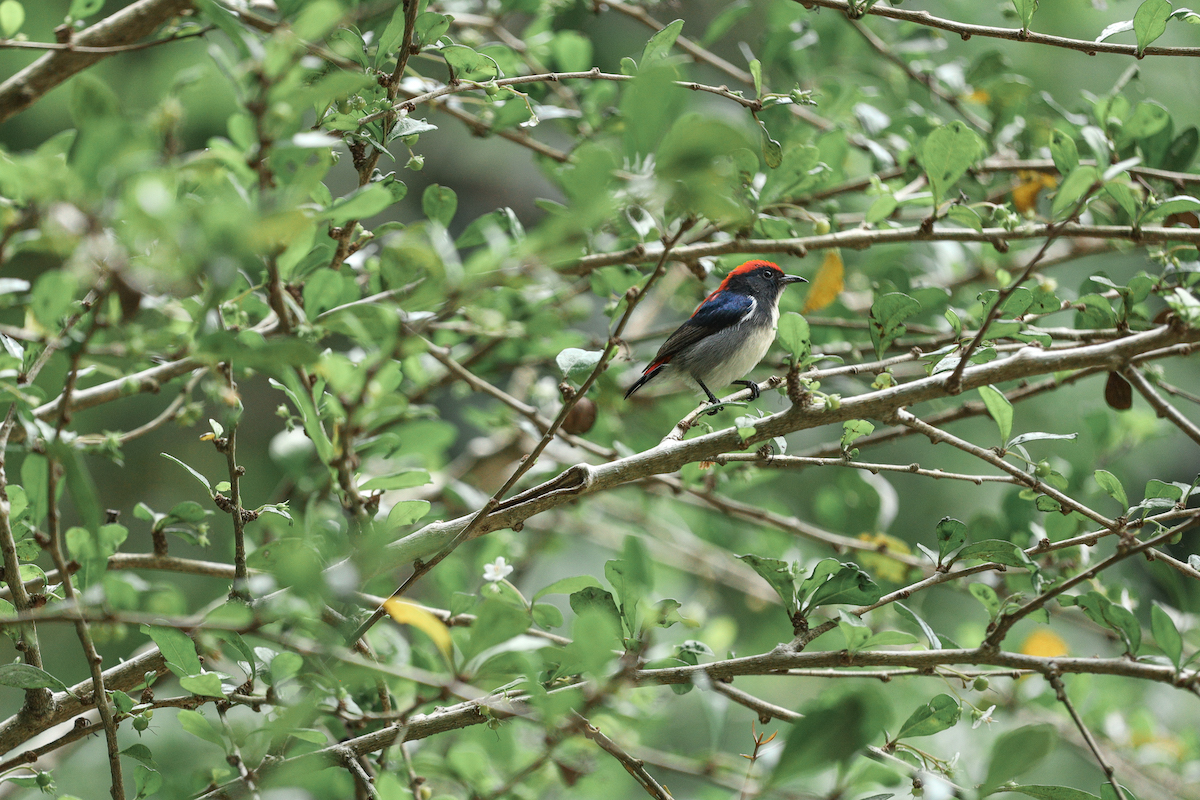
A Scarlet-backed flowerpecker, which can be spotted at Sungei Buloh and Singapore Botanic Gardens, among others. Image credit: Dan Teo

With the Bird Paradise at Mandai Wildlife Reserve now open, new birders can also learn more about species from around the world while practising their photography skills in a more controlled environment. No matter where you begin your birding adventures, keep a curious eye out, and enjoy getting to know some of our fabulous feathered friends.

5 birding tips for newbies

  1. Pick your timing: The early bird catches the worm, and the early riser catches the bird – head out between 7am and 8.30am on a sunny day to maximise your chances. Really not a morning person? You can also try your luck just before sunset, between 4pm and 6pm. 
  2. Gather your intel: Join Facebook groups such as Bird Sightings or Singapore Birders for the latest hotspots, while the SG BIRDS (Sightings/Live Update) Telegram group is great for real-time updates. 
  3. Let apps help: Merlin is best for visual identification, while BirdNET is essentially Shazam for bird calls. To keep a record of the birds you’ve sighted while contributing to scientific research, eBird is the global authority.
  4. Connect with others: Birders are generally happy to share sightings, knowledge and advice. So feel free to say hello to fellow birders on your walk, and check if they’ve seen anything interesting!
  5. Be respectful: Finally, it’s important to ensure we keep the birds – and each one another – safe. As a general guideline, don’t feed wild animals, don’t make or play bird calls (referred to as “pishing” and “playback” respectively), and don’t get too close to nests or disclose their locations.
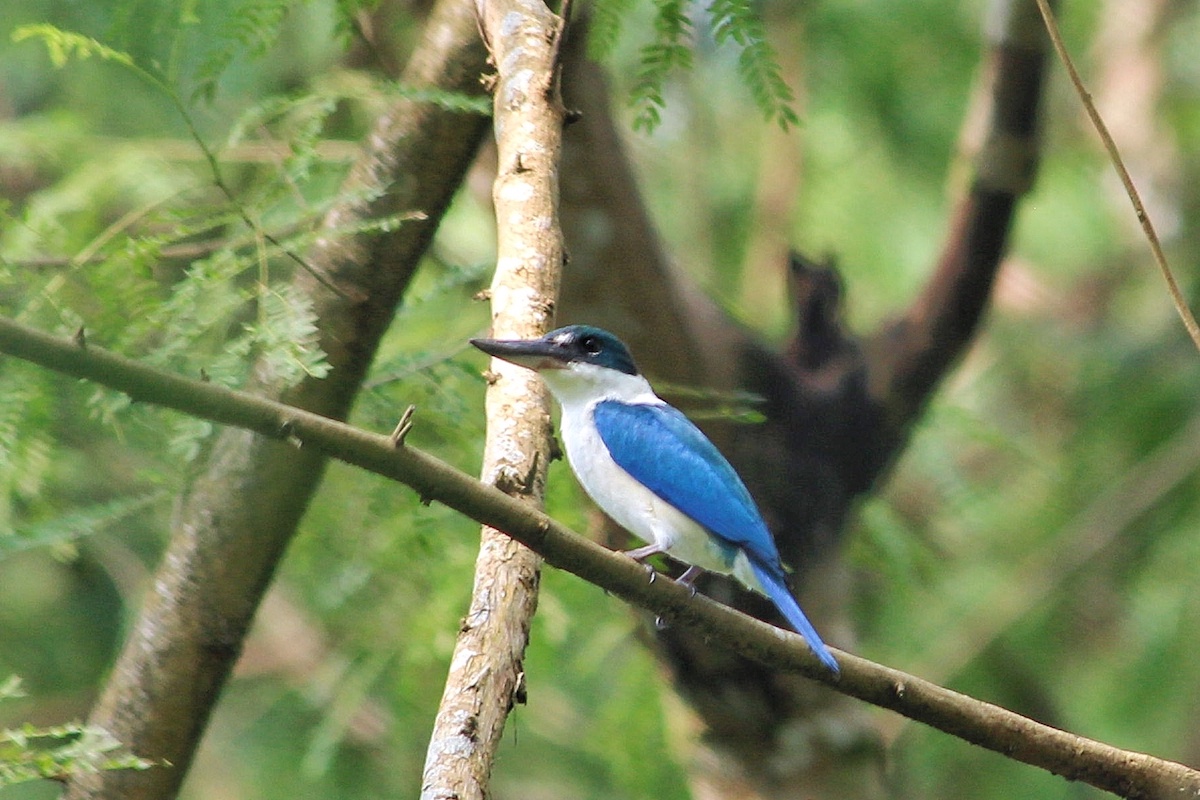
Collared kingfishers are often found in or near the edges of forests, in parks, gardens, open woodlands, grasslands and mangroves. Image credit: Gwen Pew

What to pack

  1. Binoculars: A pair of 8×42 binoculars are perfect for beginners. The first number refers to the magnification power, and the second is the objective lens diameter. A higher zoom will make the image more unstable due to hand shake, while a wider lens will add weight – so bigger is not always better.
  2. Camera: Options from Canon, Nikon, or Sony are safe bets, and you can pair your camera with a 100-400mm zoom lens to start. A tripod is also useful, if you don’t mind lugging it around.
  3. Attire: Dark, earth-toned outfits keep you inconspicuous, while a hat and comfortable, waterproof shoes will protect you against the environment.
  4. Sunscreen
  5. Insect repellent
  6. Water
  

Where to go

North: Sungei Buloh Wetland Reserve

Singapore’s first ASEAN Heritage Park is a 202-hectare sanctuary, with habitats ranging from mangroves to coastal wetlands to forests. This spot becomes especially popular during the migratory season, when shorebirds like the Common redshank and Pacific golden plover can be spotted along the 2km-long Migratory Bird Trail.

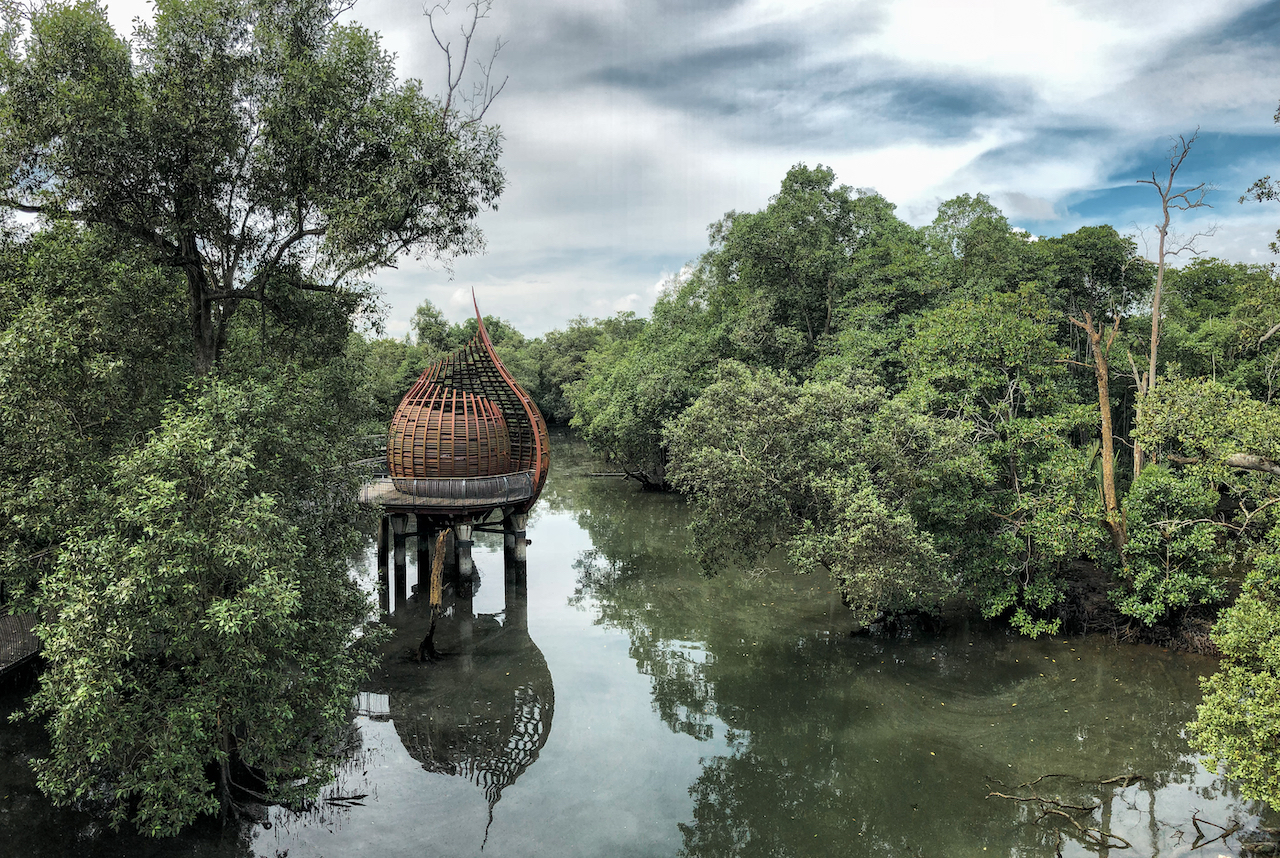
Sungei Buloh Wetland. Photo: Shutterstock

West: Jurong Lake Garden

A beautiful park in its own right, this underrated spot often sees cameos from striking migrants such as the Blue-winged pitta and Japanese paradise flycatcher. 

East: Pasir Ris Park

There is always something to see here, including a pair of Spotted wood owls that have been living in the park for over a decade, the resident Crested goshawks, and a tree near the Sungei Tampines Bridge that’s home to a colony of Grey herons.

Central: Singapore Botanic Gardens

Over half of all birds recorded in Singapore on the eBird database had been sighted here. The Eco-Lake is popular with birds such as the Cinnamon bittern and Common kingfisher, while the Grey nightjar and Greater racket-tailed drongo can sometimes be found at the Healing Garden or Fragrant Garden.

The post Why birdwatching could be the next big thing in Singapore appeared first on SilverKris.


from SilverKris