The post Here’s what your body needs when midlife hits appeared first on SilverKris.
from SilverKris
The post Here’s what your body needs when midlife hits appeared first on SilverKris.
The post Dining and wellness in Ipoh’s limestone caves appeared first on SilverKris.
The post Experience nature in Seoul through scenic mountain trails appeared first on SilverKris.
After a two year hiatus, the Lion City roars back into action with the return of the much-anticipated 2022 Singapore Grand Prix. While the adrenaline-pumping night race is clearly the star of the show, there’s plenty to see off-track as well. Aside from the official race events, the neighbourhoods surrounding the circuit offer a host of exciting attractions along with dapper bars, award-winning restaurants and luxury shopping malls. If you’ve just got three days to spend in the city, here’s how you can see the very best Singapore has to offer.
Start the day bright and early with freshly brewed coffee and a hearty breakfast at The Glasshouse at CHIJMES. The chic café offers a varied menu that includes brunch favourites along with a gourmet selection of sandwiches like Cubanos and banh mi. Then, explore the city in a restored vintage Vespa on the Singapore Sidecars tour. Choose the Civic District route, which gives you a preview of the Formula One race circuit as it zips around landmarks like Marina Bay Sands, St Andrew’s Cathedral and Fullerton Square.

All the action is bound to whet your appetite, so head to Madame Fan at the NCO Club for modern Chinese fare with a twist. Lounge in plush red armchairs as you tuck into their Ultimate Dim Sum Lunch ($68 per person) which highlights classics like har gau, shu mai and xiao long bao along with signatures like their jasmine-smoked pork ribs. Walk off the impending food coma by taking a leisurely stroll across the Helix Bridge and over to the ArtScience Museum to check out “We Live in an Ocean of Air”. This unique multi-sensory exhibition showcases the work of London-based immersive art collective Marshmallow Laser Feast by way of a dazzling virtual reality gallery.

If you prefer to keep things racing themed, The Arts House will also be holding an exhibition showcasing the history and evolution of F1 racing in Singapore. The exhibition is titled “Twelve Years of Lights and Racing in the Lion City” (runs 28 September to 3 October) and is organised by DZ Engineering SRL (a subsidiary of Dino Zoli Group), the company responsible for lighting the Marina Bay Street Circuit for over 12 years. The exhibition will highlight the race photography of Flavio Mazzi, an acclaimed F1 photographer who has covered over 450 Grand Prix races.

Once you’re done exploring the exhibition, rest your weary feet and take in the skyline with a ride on the Singapore Flyer – it’s also a great opportunity to get a bird’s-eye view of the Marina Bay Street Circuit. To end the night, take a taxi to The Store on Neil Road. Hidden behind an unmarked green door you’ll find an inviting, softly lit space centred around a granite bar. It’s here that you’ll catch Hirman Asnadi showing off his mixological prowess as he creates unconventional cocktails like the Not A Negroni – a playful variation of the classic that includes umeshu and mushroom bitters. Complement your cocktail with classic bar bites like wagyu sliders and roasted mid wings or opt for bigger plates like the lamb rack with broccolini or the tender paper-baked seabass.
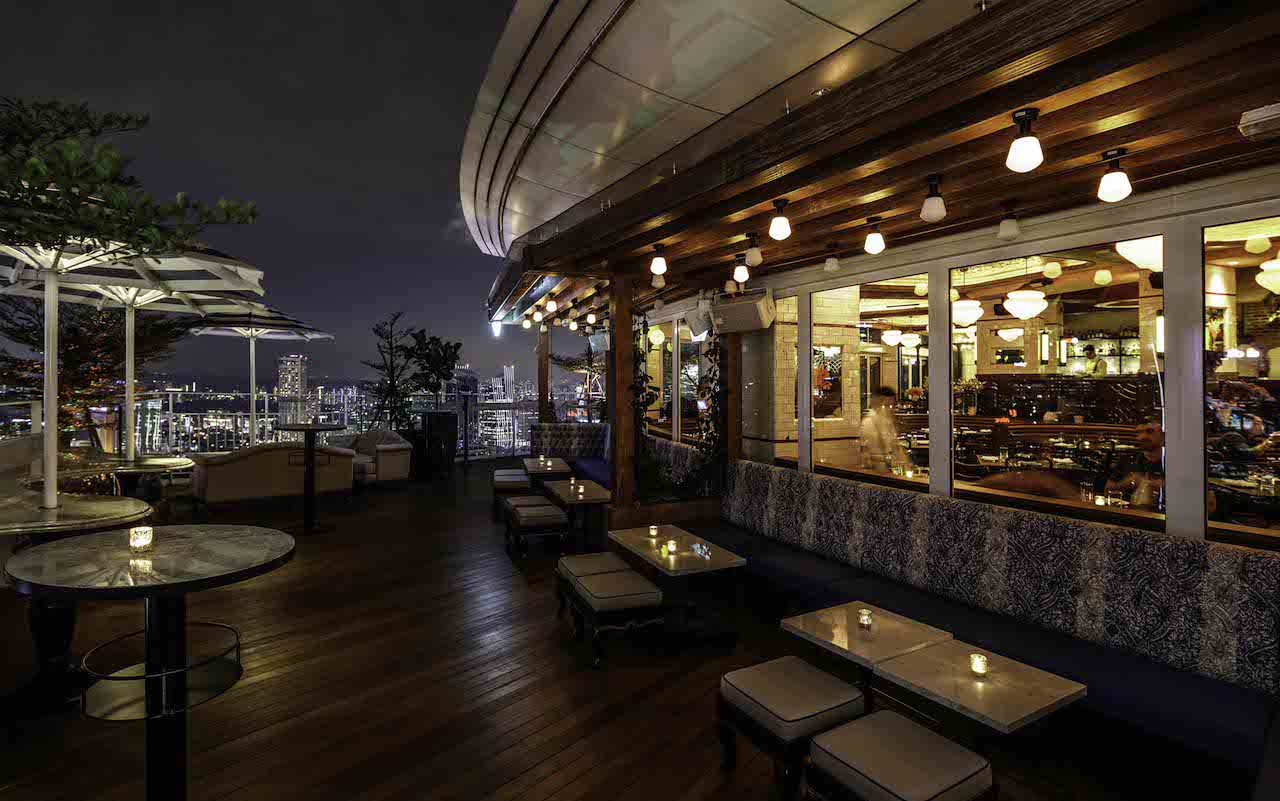
After an action-packed first day, take it easy until sundown – which is when the Little Red Dot is at its prettiest. Kick off your evening at the sky-high LAVO, a restaurant and rooftop bar with an outdoor terrace at Marina Bay Sands. Drop by between 3pm and 7pm to take advantage of their one-for-one special on signature cocktails as you enjoy stellar views of the city’s skyline at sunset.
For dinner, head down to Black Tap Craft Burgers & Beer, direct from New York. Sink your teeth into the juicy Greg Norman Burger made with wagyu beef and blue cheese, but save some room for one of their trademark CrazyShake milkshakes like the Cotton Candy. Walk off the sugar high at The Shoppes at Marina Bay Sands, open till 11pm daily (and till 11.30pm on Fridays and Saturdays). You’ll find an impressive array of boutiques such as Hermès, Cortina Watch, perfumery Henry Jacques and pearl specialist Mikimoto. New additions to the mall include luxury Italian jeweller Buccellati and Fendi‘s new flagship store.
Another must-see boutique is Bora Aksu, a London-based Turkish brand known for its demi-couture creations and lavish tulle dresses that are perfect for the Singapore Grand Prix afterparties. You’ll also find Singapore’s first Puma Select store stocked with premium collaborative merchandise from the likes of Coca-Cola, DC Comics and iconic British retailer Liberty. For culture vultures who prefer to stay downtown, opt for Esplanade – Theatres on the Bay where you can catch inspiring performances and plays. Running from 7 to 30 September 2022 is a Turkish classical music showcase featuring Singaporean musicians James Teo and Eugene Toh.

Before hitting the party circuit, regroup at craft beer bar The Guild on Keong Saik Street. You’ll find 10 distinctive brews on tap, including the unusual Young Master Cha Chaan Teng Gose – a tart and refreshing German-style beer that’s brewed with salted lime. Next, pop over to Amber Lounge, which is where Formula One drivers will be partying once the chequered flag has been waved (2 October).
[sk_post id=”114130″]
Have a lie-in and start the day late with a leisurely brunch at Five Oars Coffee Roasters at Tanjong Pagar. The stylish industrial-themed café offers a variety of familiar brunch classics along with more substantial offerings like the beer-battered fish and chips and the buttermilk chicken burger that’s made with a newly revised recipe. Naturally, Five Oars also brews excellent coffee that can be served as an espresso, white, mocha or even unconventional preparations like an espresso tonic.
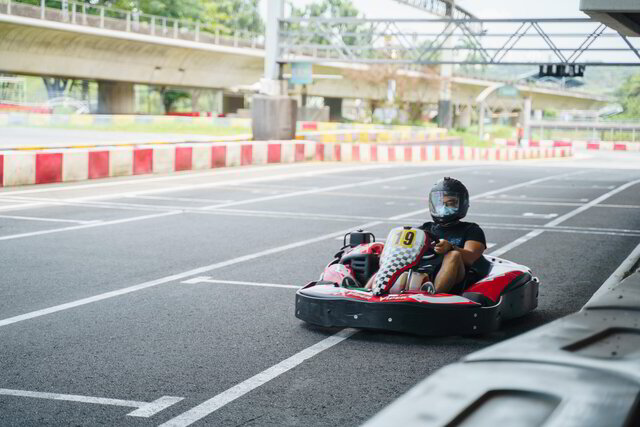
Now that you’ve fuelled up, it’s time to get your heart pumping by taking to the tracks at KF1 Karting Circuit. The 960m-long CIK-certified track is probably the closest you’ll get to racing in the Singapore Grand Prix because it was created by an actual F1-track designer, Hermann Tilke. Adding to the realism is the F1-inspired lighting system, technical corners and karts that hit hair-raising speeds of up to 50km/h.
With your adrenaline fix sorted, it’s time to slow things down at The Ritz-Carlton Spa by enjoying a truly unique Cello Concerto massage, where a cellist will play in synchrony with the therapist’s movements. Carry on the relaxed vibe and head over to Panamericana at Sentosa Golf Club. Choose a table on the terrace – which overlooks the golf course and the Singapore Strait – and tuck into juicy, slow-roasted lamb in a rosemary and thyme glaze; charred octopus tentacles with burnt onion and chickpea puree; and Canadian black cod with a chipotle glaze and Brussels sprouts.

After lunch, take a meandering stroll down to Resorts World Sentosa where you can visit the S.EA. Aquarium and be awed by their majestic manta rays and fearsome sharks – you’ll even be able to dive with them if you’re brave enough! Finally, make your way over to the Royal Albatross and set sail on a sunset dinner cruise, where you can end the day with a well-deserved gourmet 7-course meal – the perfect way to conclude your Singapore Grand Prix adventure.
This article was originally published in the September 2018 issue of SilverKris magazine.
The post Your F1 survival kit for looking fresh from first lap to afterparty appeared first on SilverKris.
Fancy a dose of Vitamin Sea but don’t want to venture too far away from Singapore? Luckily, the Little Red Dot is just a stone’s throw away from some of the world’s best islands, where you’ll find crystal clear waters, luxe resorts and plenty of holiday activities to keep the kids busy. Check out this list of nearby islands for your dream getaway, the next time the urge to retreat from civilisation hits:
If day-tripping is totally up your alley, then make a stop over the weekend at Lazarus Island. It’s one of Singapore’s southern islands and has gorgeous white sand beaches, calm waters and minimal crowding. Pack a picnic and your swimwear for an afternoon by the blue waters. The beach is also perfect for a dose of water sports and games like kite-flying, beach volleyball, snorkelling and more. And if you’re a cat lover, pack a few kitty treats too, as the island is home to many furry felines who love a scratch behind the ears.

Getting here is easy enough – hop on a ferry from either Sentosa Cove or Marina South Pier to Lazarus Seringat Jetty with the express Marina South Ferries, or take a ferry to St John’s Island and use the walking causeway between the two isles to get to Lazarus Island.
Lazarus Island is uninhabited, but as of April 2023, you can rent one of the tiny homes, also known as Tiny Away Escape @ Lazarus Island. These extremely compact, trailer-like homes are perfect if you’d like a weekend of off-the-grid living. These little homes are air-conditioned and include a mini kitchen, a bed for two adults and a sofa bed for little ones, as well as biodegradable shampoo and body wash.

Tiny Away Escape @ Lazarus Island is completely eco-friendly; it uses solar energy as its main power source, is made using recycled plastics and wood fibre, is durable and even has a high-tech recycling system that composts food waste in 24 hours.
If an adults-only paradise is that you’re after, check out the luxurious bamboo villas and lush greenery of Cempedak Private Island, 9km off the east coast of Bintan, Indonesia. From Singapore, jump on a Bintan-bound ferry from Tanah Merah ferry terminal, traverse the island for about an hour by car, then transfer to a private speedboat. The journey takes about three hours, but it’s well worth it for the five-star hospitality, stylish eco-living and delicious all-you-can-eat meals.

Spread over 17 hectares, the resort is home to an array of wildlife such as otters, hornbills, monitor lizards and pangolins; a small but dedicated and friendly staff; and, thankfully, not much else.
Its bamboo architecture is the star of the show – New Zealand-born architect Miles Humphreys, together with Balinese architects Chiko Wirahadi and Ketut Indra Saputra, both experts in bamboo, built the villas using this sustainable “super material”, along with recycled teak and rubber wood and cogon grass for the roofs.

The villas are available either on the beachfront or perched atop jungle-festooned ridges with stunning views of the sea. Shaped like curvaceous conch shells, the two-storey, open-air villas boast luxe features such as stone ensuite bathrooms, private infinity pools, organic cotton sheets and speaker systems. And while they’re completely wall-less and without air conditioning, the spacious 150m² floor plans are a true study in smart design – natural ventilation works a treat, and the sea breeze flows throughout the villas.
Meals are mostly enjoyed at the resort’s airy hilltop restaurant (private picnics can also be arranged), which comes with 180-degree views and private dining pods. The menu changes daily and spotlights the region’s rich local produce – think barbecued seafood sourced from local markets and organic veggies grown in the resort’s garden – while also putting a modern spin on Indonesian flavours. Have a nightcap at the bar, which has a fine collection of aged rums and top-notch craft cocktails.
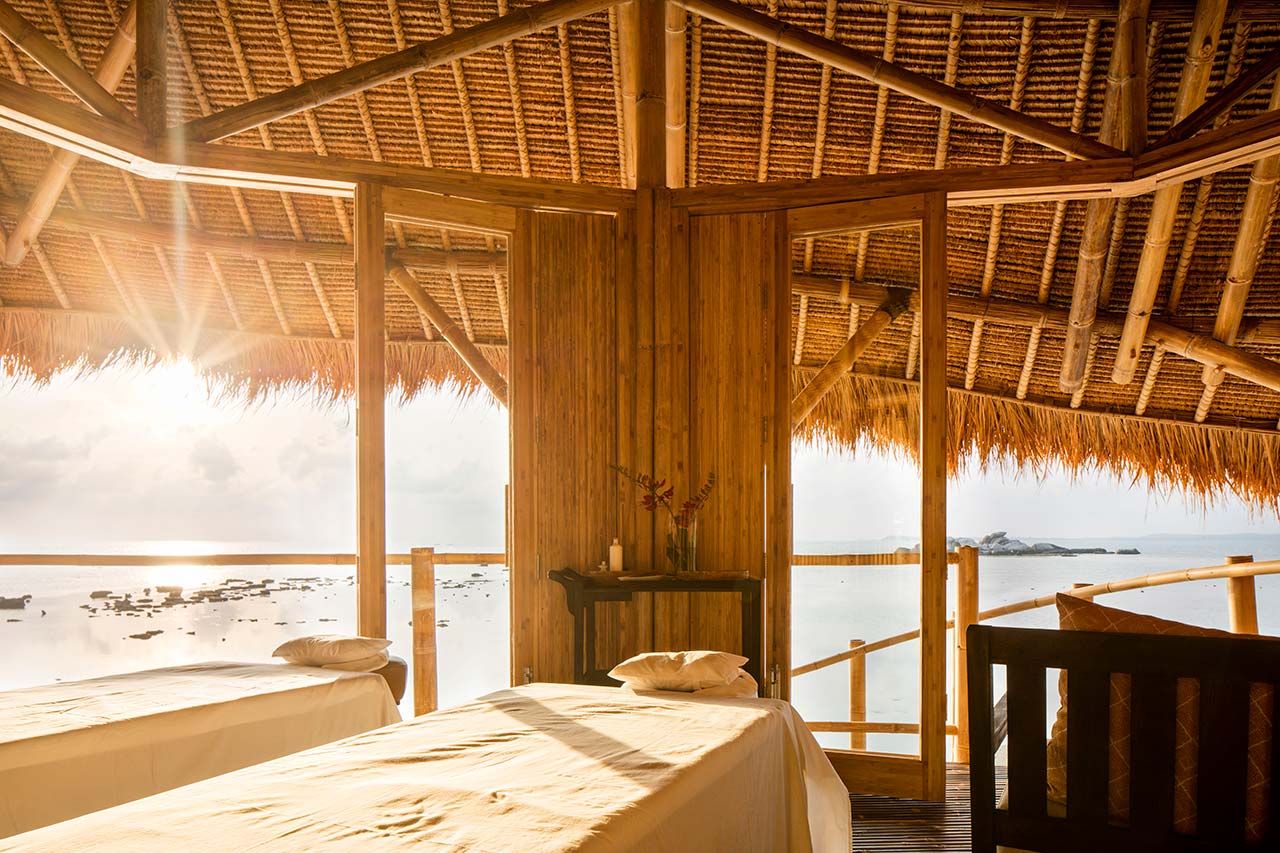
Don’t miss their spa treatment, and for a real treat, request for the staff to arrange it to coincide with sunset. The treatment rooms overlook the sea, and the experience of being pampered against the sound of waves is unbeatable. If you’re feeling adventurous, there’s a hidden path from the spa that takes you to the water’s edge. There, you can lay on the flat rocks and soak in the sun at your leisure. What heaven.
For a slightly more modest, yet equally secluded island getaway, look to Rawa Island in Malaysia. This coral island in Johor’s Mersing district is relatively small and only has two resorts. Getting here begins with a bus or car journey from Singapore to Mersing, before you hop on a speedboat to your chosen resort.

At Alang’s Rawa, weekdays pass blissfully, as the peaceful oasis is filled with families looking for a break from the big city within one of six different types of accommodations. The restaurant here is known for its simple but delicious nosh, and come nightfall, you’ll find beachside tables lit by flaming lanterns to accompany the menu.
However, note that children under age 16 aren’t allowed on weekends, as Alang’s Rawa transforms into party central, with Saturday night barbecues, exciting nightlife and a to-die-for cocktail list made with fresh local fruits, juices and spices.


This boomerang-shaped Singapore island escape is situated off the northeast coast of Singapore, just $4 (add $2 if you’re bringing your own bicycle) for a 15-minute bumboat ride from the mainland. The jumping-off point from Pulau Ubin is Changi Ferry Point Terminal – there’s an excellent hawker centre around the area, dishing up some of the country’s best nasi lemak (coconut rice with condiments), leafy cafés and other great eateries. There are no set times for bumboat departures, as these only set off when there are 12 passengers for the journey (if you don’t want to wait for other passengers to make up the numbers, simply cough up the difference.)
Setting foot on Ubin is like stepping inside a time warp, back to when skyscrapers and expressways were non-existent in the country. Some of the island’s earliest inhabitants were the seafaring Orang Laut people and indigenous Malays of Javanese descent, though Ubin was later settled by Chinese families and Malay fishing communities.

Walking tracks and cycling trails lace around the island – you’ll cover more terrain on the latter. Bikes can be rented near the end of the arrival pier for around $10 a day, and you’ll be able to enjoy more of Ubin’s rustic, charming villages, shrines, thick jungle and pretty lakes created from old granite mining sites.
On the eastern end of the island, you’ll find the Chek Jawa wetlands, home to a plethora of wildlife including kingfishers, snakes, fish, wild boars, otters and plenty of marine creatures. A boardwalk juts over the mangroves, letting visitors see the marine life up close.
There aren’t any resorts, hotels or lodges if you’d like to spend the night. Instead, pack your own camping gear for a night under the stars within the allocated camping grounds – just watch out for the wild boars and keep your food stowed away safely before turning in for the evening.
This large, 1,173km2 island (almost double the size of Singapore) may be part of Indonesia’s Riau archipelago, but the Lion City is regarded as its easiest access point – just an hour-long high-speed ferry ride away from Tanah Merah Ferry Terminal.
While Bintan is a popular Singapore island escape for a weekend, most visitors don’t venture outside of Lagoi, where the sprawling Bintan Resorts property is located. It spans sweeping golf courses, family-friendly beach resorts and manicured luxury villas.

But there’s plenty to explore further afield – the southeastern coast has gained a reputation as a first-rate dive destination, particularly for beginner divers, with its good visibility, shallow 10 to 15-metre reefs and an array of hard corals and marine life such as moray eels, cuttlefish and pufferfish.
However, if you’re looking to take it easy, there are high-end resorts where rest and relaxation are elevated to art forms. Back in Lagoi, The Sanchaya – a luscious, 10-hectare beachfront estate built on a former coconut plantation – dials up the luxury several notches, boasting a gorgeous stretch of powder-white sand and even its own VIP lounge at the ferry terminal.
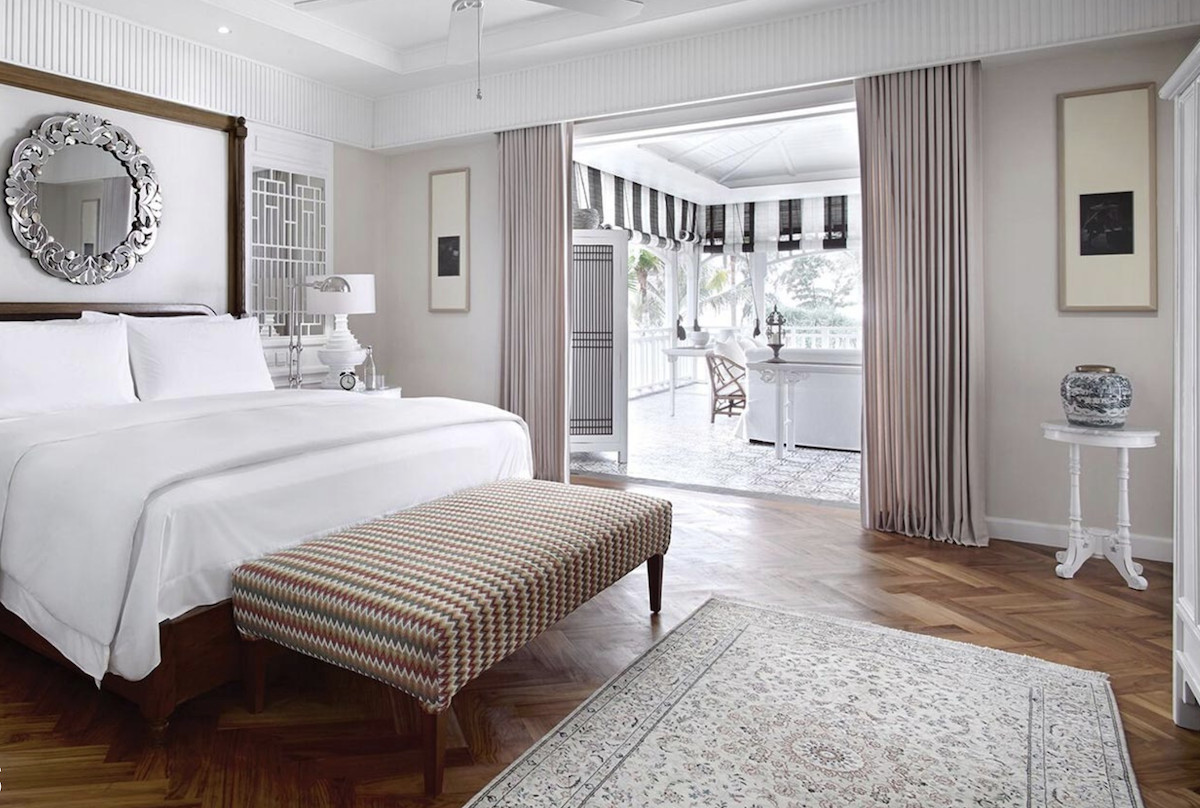
The 29 villas and suites are all elegantly furnished – some are colonial-inspired with teak floors and marble bathroom fittings, and others feature Thai-style pitched roofs and Khmer antiques – and come with Bang & Olufsen televisions and sound systems, wine fridges and iPads. The pièce de résistance, however, is the 50-metre infinity pool – perfect for relaxing in before feasting on The Sanchaya’s excellent menus.
This privately owned island in Johor, Malaysia is a 20- to 30-minute boat ride from Mersing. Although small, you’ll find eight sandy beaches and some of the country’s clearest waters dotted with rock formations. There’s only one resort on the island – Batu Batu – and it’s built to resemble a small Malay village.
Guests are welcome to stay in any of the 22 villas, which are made from tropical hardwoods and blend into the uninhabited island’s rustic surroundings. The villages face either the sea or the jungle, guaranteeing privacy and a tranquil environment for couples or families.

Spacious bathrooms feature stonewashed bathtubs and showers, and guests can dine on European or Asian dishes at the restaurant and bar. With activities like snorkelling, stand-up paddleboarding, island trekking and diving on offer, there’s plenty of excitement here.
Batu Batu also runs several conservation initiatives, with its most popular one being the Tengah Island Conservation programme, which includes sea turtle conservation efforts.

For a holiday that will truly take you off the grid and give you time away from your tech devices, head to remote Sugi Island, which, like Batam and Bintan, is part of Indonesia’s Riau archipelago. The two resorts on the island, Telunas Beach Resort and Telunas Private Island, are both free of Wi-Fi, air-conditioning and televisions – letting you truly focus on yourself while you’re there.
Getting here may seem like a hassle, requiring a ferry ride from Harbourfront Centre Ferry Terminal to Sekupang Ferry Terminal followed by another cruise on a local ferry to the resort. However, the total travelling time is no more than three hours from Singapore. Upon arrival, gracious hosts will direct you to your spacious villa, which comes with a panoramic view of the water.
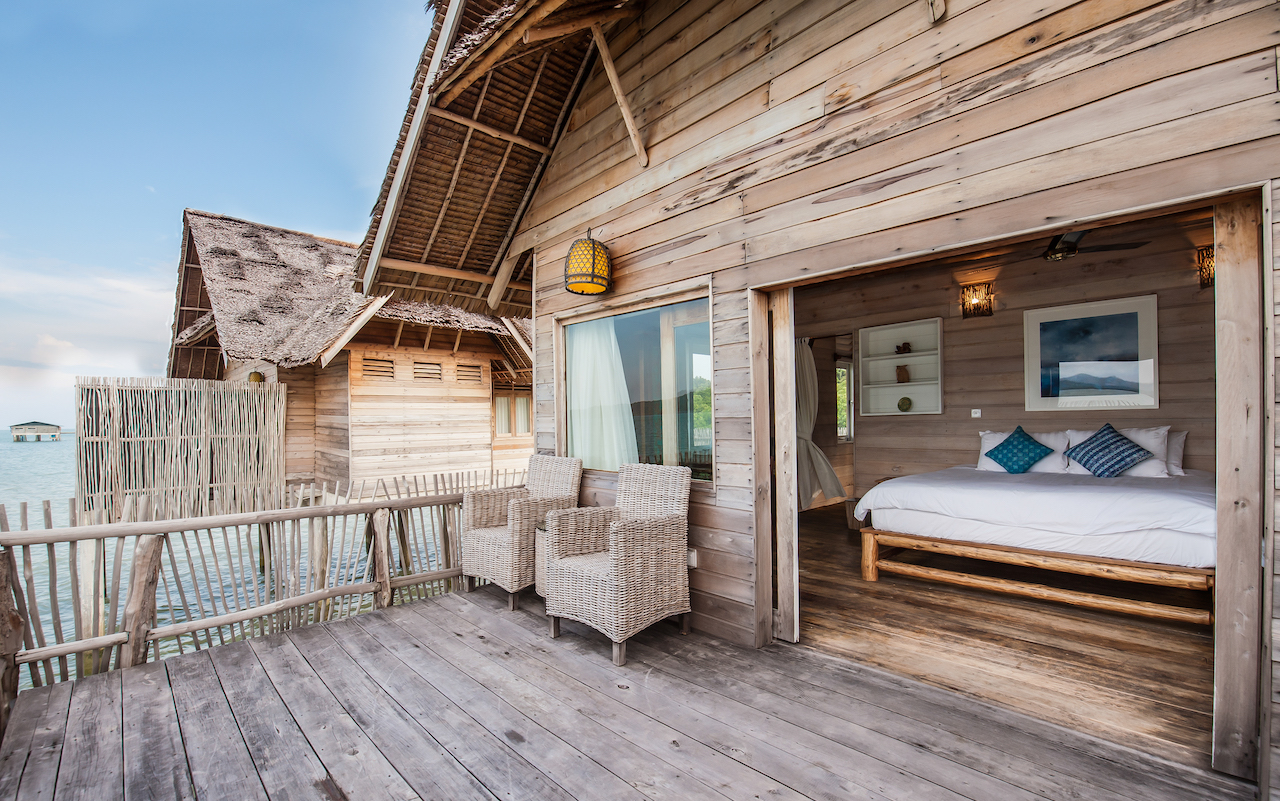
These resorts encourage you to focus on yourself and nature, so offerings like spa treatments, water sports and visits to untapped natural sights are part and parcel of your stay. For meals, take your pick from either Western or local cuisine.
Initially a project started by like-minded eco-conscious friends in 2004, Telunas continues to be committed to sustainable practices, supporting the local community through a myriad of initiatives such as preserving endangered species and offering scholarships to residents of the neighbouring islands.
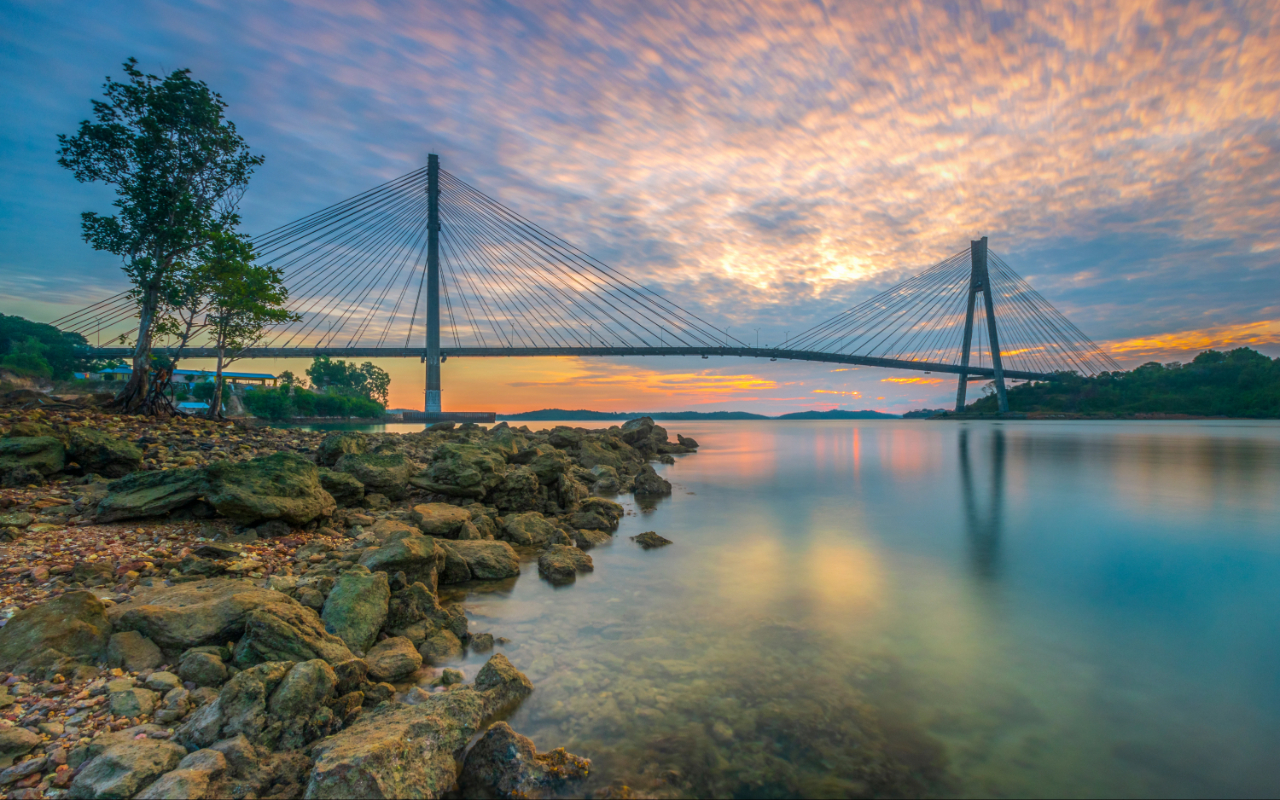
While its slightly seedy reputation might precede it, Batam is an island escape that’s just a 45-minute ferry ride away from Singapore. What many might not know is that it has a sophisticated side that prioritises luxurious relaxation as well as adventure and sports. The island is also the perfect starting point for further exploration of the Riau islands, especially for divers.
On Batam’s eastern side, you’ll find Montigo Resorts Nongsa – the gleaming white modern villas dot the coast and face the rolling waters of the South China Sea. To reach the resort, take a 10-minute shuttle bus ride upon disembarking at Nongsapura Ferry Terminal.
Since the resort is secluded from the main part of the island where the bulk of tourists congregate, a stay here guarantees peace and privacy with the option to reap nature’s benefits. From bike tours and mangrove cruises to batik painting, dirt track racing and much more, there are plenty of opportunities to explore the quieter side of the island.

If you’ve come for a respite from the stresses of everyday living, the spa offers tailored experiences where you can fully rejuvenate your mind and body. On the other hand, thrill-seekers can get their adrenaline pumping with some target practice – go old-school with a bow and arrow at the archery range, or try a state-of-the-art Airsoft gun that’ll have you racing across the resort’s grounds playing wargames.
To learn more about Singapore Airlines’ flights to Singapore, visit the official website.
This story was first published in April 2023 and updated in November 2023 by Michelle JN Lim.
The post Must-visit scenic islands near Singapore for your next escape appeared first on SilverKris.
The post Discover the best of Zürich beyond the airport appeared first on SilverKris.
The post Shanghai fine dining: 5 restaurants to book now appeared first on SilverKris.
The post A cultural trail through Singapore’s Bras Basah.Bugis appeared first on SilverKris.
The 2025 F1 season kicked off on a high in Melbourne in March with a thrilling Australian Grand Prix that saw plenty of action on and off the track. If you missed seeing McLaren’s Lando Norris put in a convincing victory, there’s always next year – and the rest of this season. Here’s how to do a Grand Prix weekend at some of our favourite destinations.
Back as the season opener this year, palm-tree-lined Albert Park Circuit in Melbourne is famous for its medium- and high-speed runs backdropped by the city skyline. Fans also love seeing the drivers each morning on Melbourne Walk and catching the nightly concerts. Away from the circuit, stock up on merch at Pit Stop Melbourne, enjoy the annual Grand Prix Street Party at Middle Park Hotel, grab rooftop drinks at Mirror Mirror and indulge in supper at Gimlet.
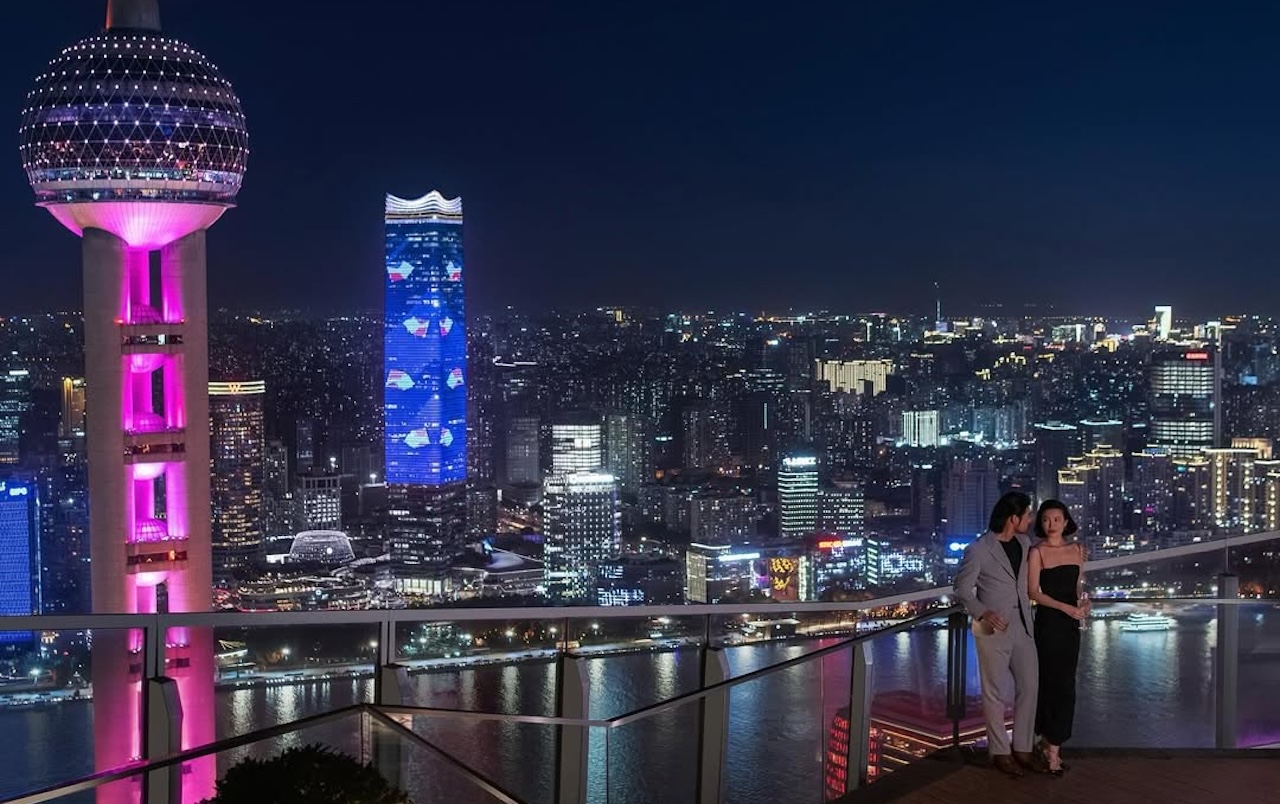
The purpose-built Shanghai International Circuit features tight turns, high g-forces and one of the longest straights in F1. After the on-track action, catch a train to downtown Shanghai to enjoy the city’s vibrant offerings. Admire the skyline views from Flair at The Ritz-Carlton Shanghai, Pudong or sample agave-infused cocktails at Coa Shanghai. Enjoy a culinary odyssey at chain restaurants Din Tai Fung (for noodles and dim sum) and Haidilao (for hotpot). Don’t forget to try Nanxiang Mantou Dian, arguably the city’s best xiaolongbao dumplings, and HuangMen Lao Zao for Chongqing-style hotpot.
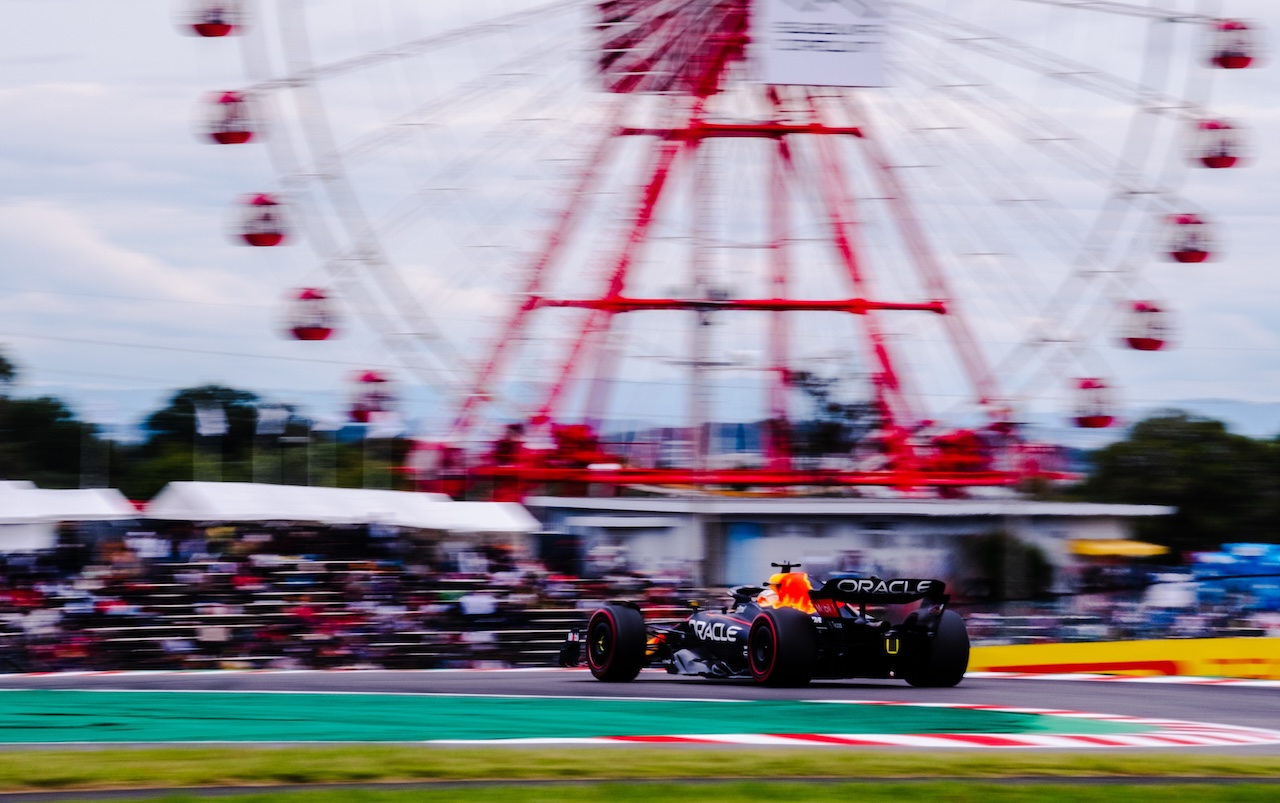
Created in 1962 by Dutch track designer John Hugenholtz, Suzuka International Circuit is a favourite among drivers thanks to a challenging layout combining high speeds, 18 corners and an iconic “crossover”. While here, ride the Ferris wheel for a bird’s-eye view of the track or hit the Motopia amusement park and get behind the wheel yourself. Visitors usually stay in Nagoya so take some time to wander the Osu district for street snacks like takoyaki and okonomiyaki, take in the tunes at the Jazz Spot Swing and celebrate with a beer at the Kirin Brewery.
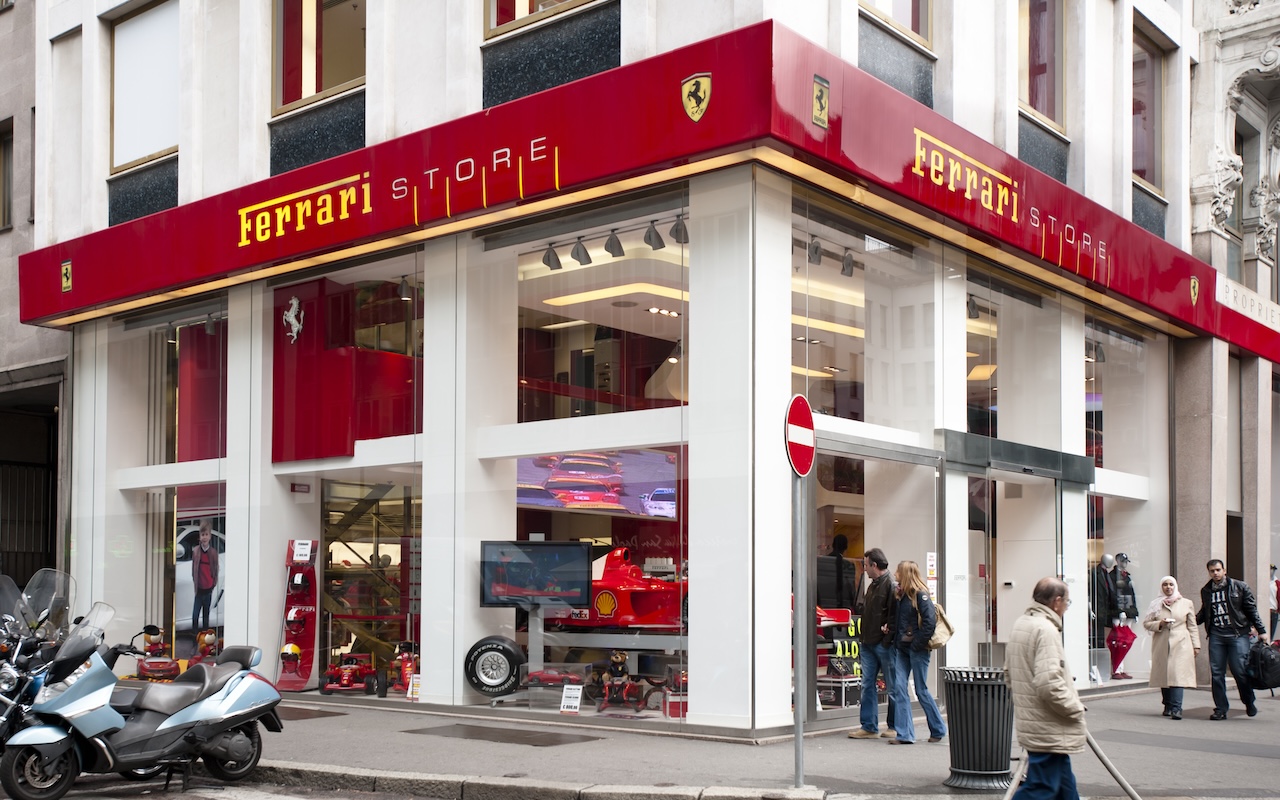
Drive 30 minutes from Milan to the spiritual home of Ferrari – the Autodromo Nazionale Monza. The “Temple of Speed” was created in 1992 and features long straights, tight chicanes and high speeds – and is where Juan Pablo Montoya set a top speed record of 372.6km/h in 2004. After a day trackside in Monza, treat yourself to a lavish Mediterranean meal at Derby Grill or Il Moro. In Milan, enjoy an opulent Risotto alla Milanese at Savani or authentic Italian cuisine at Penelope a Casa – owned by former Red Bull driver Vitantonio Liuzzi – then drink among the Tifosi (the term for hardcore Ferrari fans) in the Navigli district and slip into the wonderland that is the Ferrari store.
Spain’s Circuit de Barcelona-Catalunya in Montmeló, will be an F1 circuit for one more year before the race moves to Madrid in 2026 – so enjoy the spectacle of cars flying down long straights, high- and low-speed corners and elevation changes.
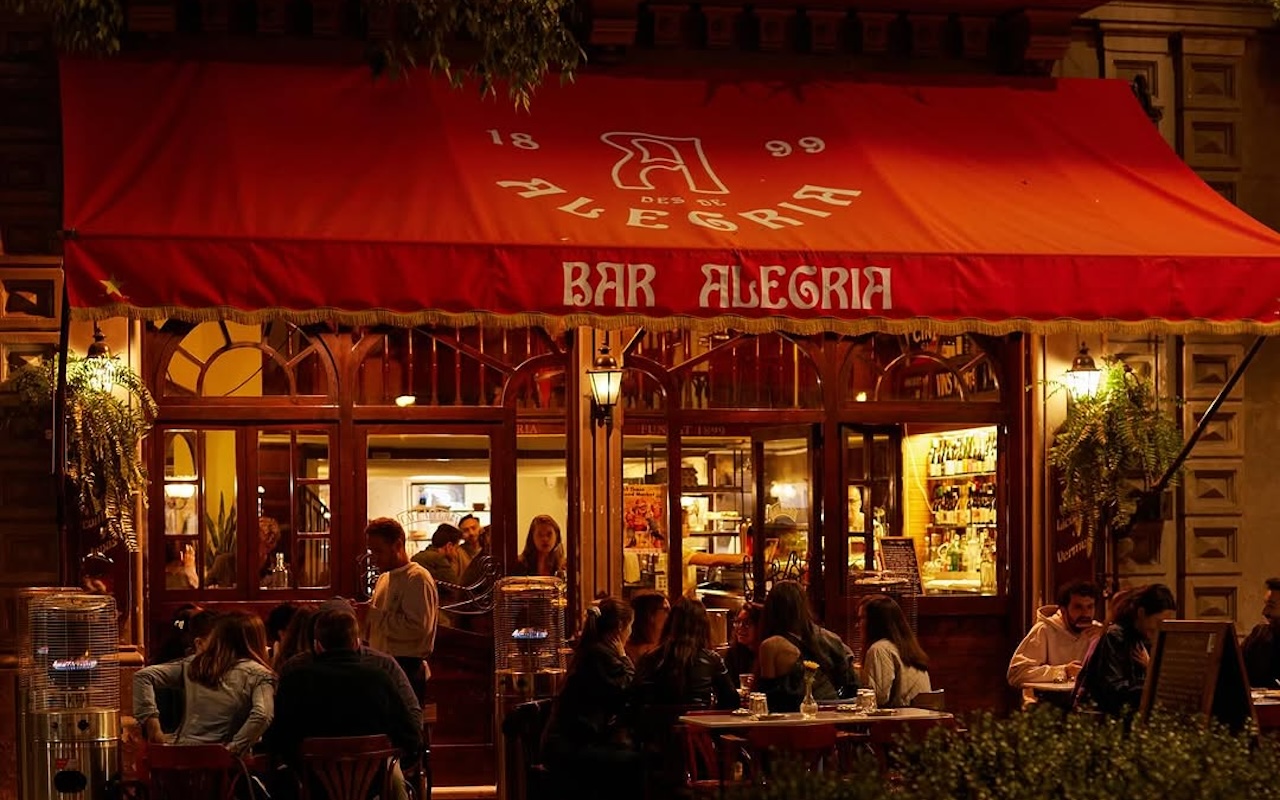
Each evening after the race, fans gather at the pop-up bars lining Montmeló’s main street over the weekend – those in the know book dinner at El Tapeo or El Trabuc in nearby Granollers. In the city, settle in at a tapas bar – try La Cova Fumada, Bar Alegría or Bodega La Puntual – or feast at an internationally inspired chef’s counter at Direkte, then quench your thirst at the La Dolce Vitae rooftop.
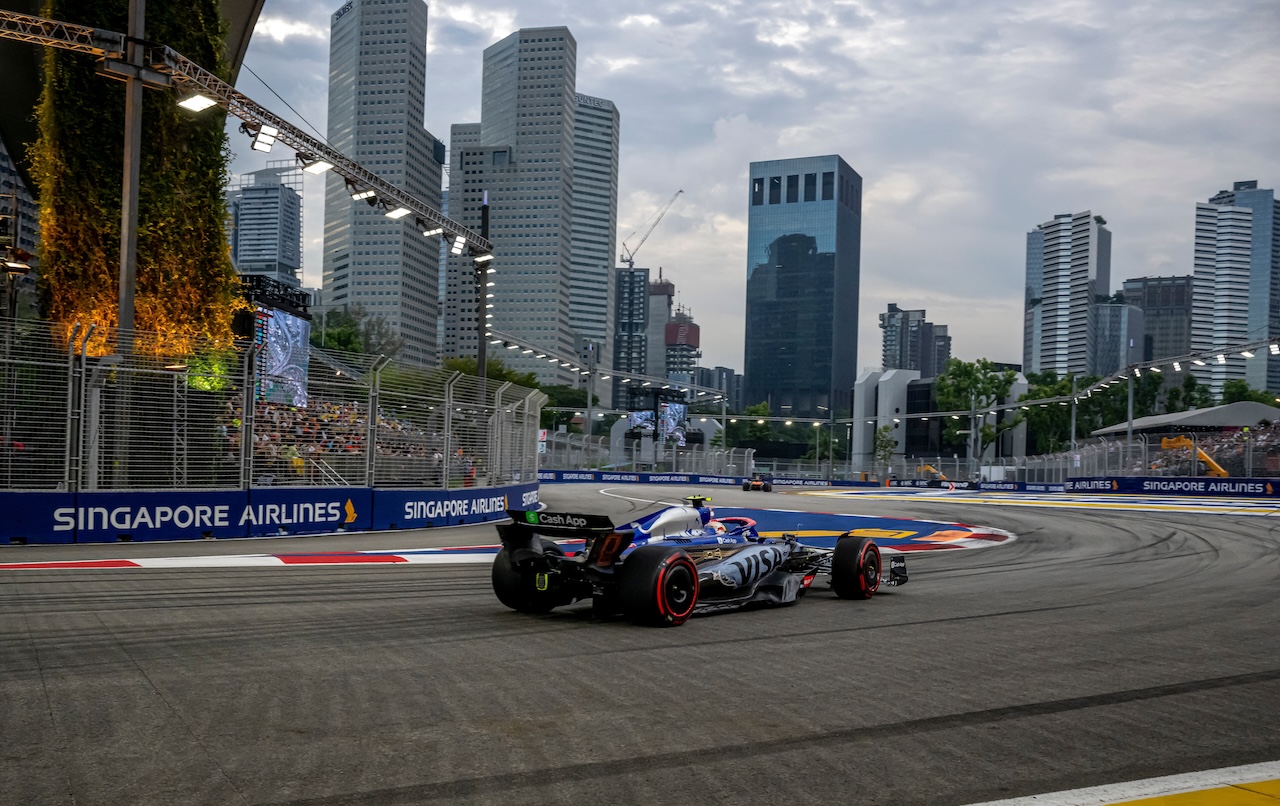
Each year, Singapore hosts F1’s original night race at the Marina Bay Street Circuit in the heart of the city, a challenging track of 19 tight corners, four DRS zones and intense humidity; after the on-track action, fans party into the night with huge concerts. By day, sip Singapore Slings at the Raffles Hotel’s Long Bar, head to the top of Marina Bay Sands for sundowners at Lavo or Spago and dine in historic surrounds at Chijmes, where you can try classic Singaporean dishes at New Ubin Seafood. Continue the F1 experience at Torno Subito – by acclaimed Italian chef Massimo Bottura – where you’ll enjoy casual Italian fare while gawking at real Ferrari F1 cars and testing your skills on the gamified electric go-kart circuit at HyperDrive.
Historic Circuit de Spa-Francorchamps was built in 1921 in Belgium’s picturesque Ardennes region. It was redeveloped in 1979 but remains the longest track on the F1 calendar; the combination of long straights, uphill climbs and fast corners pushes cars to the edge. Spend a few days exploring Brussels while you’re here – enjoy local brasseries like Maison Vincent, Les Brassins and Le Cirio, and sample hard-hitting Belgian beers at cafés like Delirium, À La Mort Subite and La Fleur en Papier Doré.

Reigning champ Max Verstappen will have two more chances to enjoy a Grand Prix at home – Circuit Zandvoort, 45 minutes from Amsterdam, will disappear from the F1 calendar after 2026. For now, this beachfront track offers harsh gravel beds that penalise drivers for the smallest mistakes and 14 corners that swoop through sand dunes. In Zandvoort, fans can race sims at Racesquare or try Dutch pancakes at Dune aan de duinrand. Spend a few days soaking up picturesque Amsterdam too, while feasting on French-Flemish plates at Rijsel, brasserie classics at Cradam or Dutch comfort food at Hap-Hmm. Cap off your trip with a “brown bar” experience – a classic, casual Dutch bar without pretence – at Café ‘t Smalle or Café de Sluyswacht.

For more information on Singapore Airlines flights to these destinations, visit singaporeair.com.
The post Top Grand Prix destinations to visit with Singapore Airlines in 2026 appeared first on SilverKris.
The post The 2026 guide to Bangkok’s best cocktail bars appeared first on SilverKris.
Singaporeans are famously proud of their culinary heritage. After all, the Lion City’s dining scene is one of its greatest draws. And it hasn’t escaped notice from the coveted Michelin Guide, one of the world’s most esteemed culinary institutions.
In recent years, it has also honoured some of Singapore’s beloved hawkers, granting them both Bib Gourmand awards and stars. Stalwarts like Odette and Les Amis continue to impress, retaining their trio of stars. This year, a total of 33 new restaurants and hawkers join the Michelin Guide, across the starred, Bib Gourmand and Michelin Selection categories. Here are 7 newcomers and old favourites to note.
Michelin stars are the most coveted awards a restaurant can receive. They stem from the Guide’s past as a French motoring guide, where one star denotes a restaurant worth a stop, two stars denoting that the excellent food is worth a detour and three stars being exceptional cuisine that’s worth a special journey. In order to make the cut, five universal criteria are taken into account: quality of ingredients, harmony of flavours, mastery of techniques, consistency and the personality of the chef as expressed through their cuisine.
It’s always thrilling when a new restaurant joins the ever-growing pantheon of Michelin-starred restaurants in Singapore. The Malaysian-born chef of Born, Zor Tan, has had a storied culinary journey involving stints at acclaimed restaurants like Restaurant André in Singapore where he learned under the tutelage of André Chiang. At Born, set within former rickshaw depot Jinricksha Station, Tan presents his enigmatic marriage of French and Chinese cooking through a nine-course menu that highlights eclectic dishes that include pickled starters, fish bacon and a Spanish-inspired fried “bao” – dishes that represent his culinary journey.

This newcomer managed to snag a Michelin star less than a year since opening – an impressive feat in itself. Even more impressive is that Seroja is the first and only restaurant in Singapore to be awarded the Michelin Green star, which recognises restaurants that maintain sustainable and ethical practices. Chef Kevin Wong, who also received a Young Chef Award from Michelin – completing Seroja’s hat trick – celebrates the varied cuisines of the Malay Archipelago through his menu. Its efforts towards sustainability include sourcing local, seasonal dishes and utilising vegetable trimmings in their cocktails, all of which serve to emphasise regional flavours.

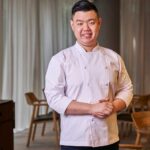
We’ve said it before, modern-Indian cuisine is having its heyday in Singapore. If you need convincing, consider that Thevar is one of only six restaurants on the island to clinch two Michelin stars. Helmed by Penang-born Chef Mano Thevar, the eponymous restaurant champions, in the chef’s own words, “Indian flavours by way of the Malay Peninsula”. What’s also striking about Thevar’s menu is that it presents dishes that defy the usual ideas of what Indian food is, broadening the perception of the cuisine. The best way to experience Thevar’s offerings is through the Chef’s Menu that features unique dishes like Madurai pepper crab rassam and Iberico pork thogayal (chutney) along with classics like lamb biryani.

When it comes to Singapore’s trio of three-star MICHELIN restaurants, Zén often doesn’t get as much attention as its contemporaries Odette and Les Amis. While its peers favour French and European cooking with Asian influences, chef-owner Björn Frantzén instead champions a neo-Nordic menu with Japanese inflections and an emphasis on seafood. Zén’s dining space also defies fine dining archetypes and is instead set within a charming shophouse on Bukit Pasoh Road, adding an intimate vibe to this exceptional culinary experience.
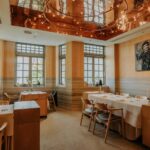
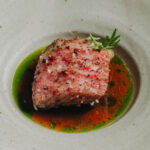
While not as prestigious as a star, the Michelin Guide is firm in the belief that a Bib Gourmand isn’t merely a consolation prize. This award honours restaurants that offer “exceptionally good food at moderate prices”. Among these 79 establishments, you’ll find a mix of hawkers and affordable restaurants that have quietly distinguished themselves.
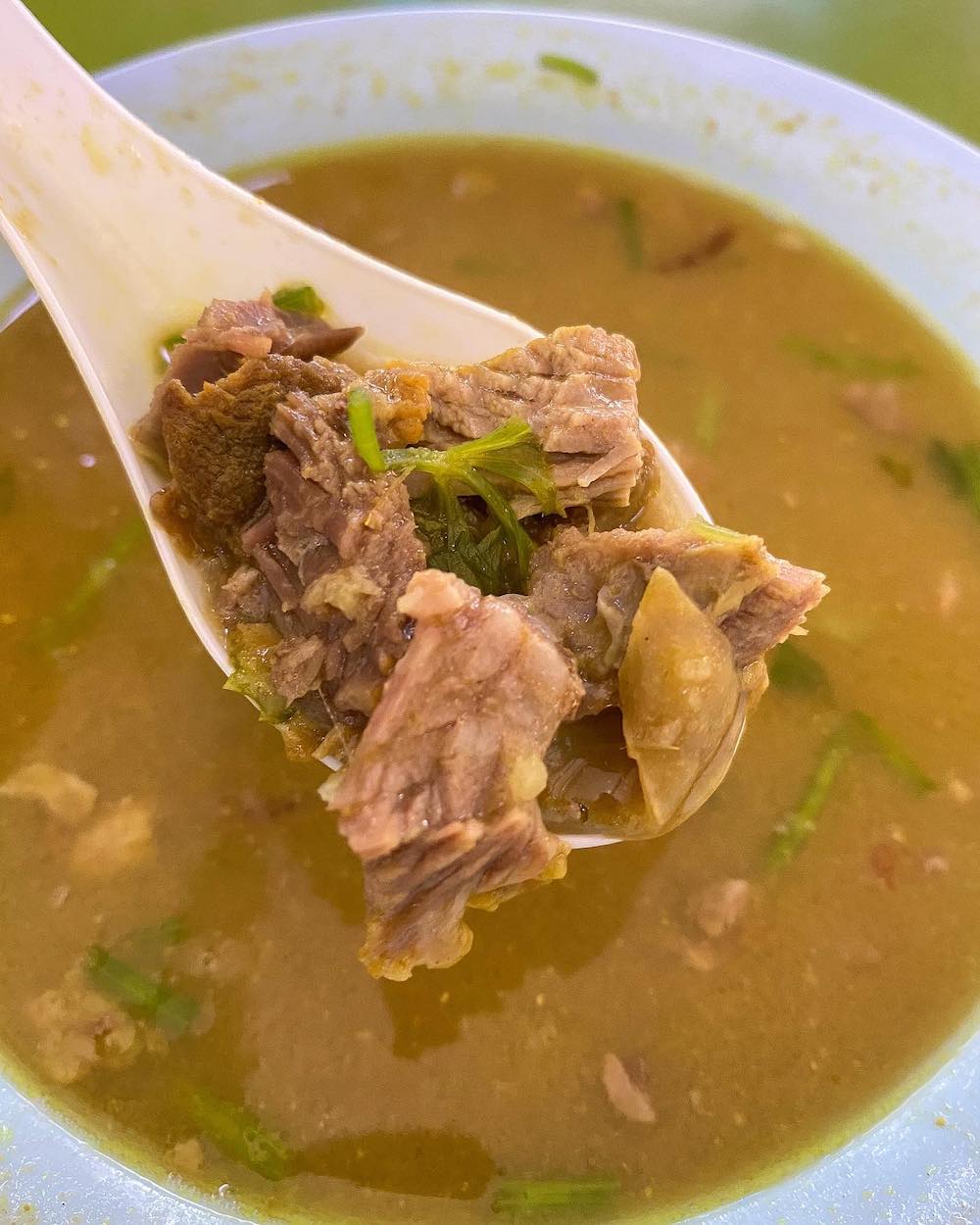
Mutton soup is a primal affair – it’s messy, you use your hands and you’d be silly to wear white while eating it. Essentially, it’s far from the white tablecloth affairs most people would associate with the Michelin guide of old. Joining the list of Bib Gourmand awardees this year is Bahrakath Mutton Soup, housed in the much-loved Adam Road Food Centre. Open since the ’70s, the stall offers a variety of mutton soups made with leg and ribs along with offal like tripe and even brain. The richly spiced soup is replete with tender portions of meat, and is best enjoyed with chunks of bread to sop up the gravy.
The Coconut Club’s entry into Singapore’s dining scene was met with scepticism by some Singaporeans – mostly due to its upmarket price for the typically humble hawker dish nasi lemak (fragrant rice cooked in coconut milk and pandan leaf). But they’ve more than proven their merit with ample portions, high quality ingredients and an exceptional sambal that ties it all together. In addition to their nasi lemak, you can add other homestyle Malay dishes to your meal like chicken satay, sayur lodeh (Indonesian vegetable soup prepared with coconut milk) and a delightfully tender homemade otah to your meal.

Being in the Michelin Selection is a “sign of a chef using quality ingredients that are well cooked; simply a good meal,” says Michael Ellis, International Director of the Michelin Guide books. While not as prestigious as the aforementioned awards, these are certainly establishments to look out for – it’s not unheard of for Michelin Selected establishments to rise to the ranks of Bib Gourmand, and perhaps even a star.
More than half of the 33 new Michelin Selected establishments are hawker stalls, but the humblest of them all is perhaps the chwee kueh, a rice cake served with chilli and chai-poh (preserved radish cooked in lard). At Bedok Chwee Kueh, a single piece will set you back just $1.20 (though a pair is considered the usual portion). Served on its own, these tender rice cakes have little to no flavour, but the magic is in the stall’s spicy chilli and their distinctively fragrant chai-poh. While the stall didn’t earn a star or Bib Gourmand award, the recognition of such a humble local dish is something that Singaporeans can certainly be proud of.

To learn more about Singapore Airlines’ flight service to Singapore, visit the official website.
The post Michelin Bib Gourmand Singapore 2026: 10 new places to eat appeared first on SilverKris.
The post Historic hotels that will make you feel like royalty appeared first on SilverKris.
Located along the eclectic Neil Road, this independent boutique began life as a pop-up shop at nearby Keong Saik. Today, it houses over 20 emerging and cult labels from Southeast Asia, Hong Kong and more. Curated by founder Mary Knickrehm Kumar, the collection includes refined tailoring from Vietnam’s ClothesBar and Indonesia’s Cult Suri, alongside conscious demi-fine jewelry from APOLUNA from Hong Kong. Thai heritage silk house Jim Thompson adds an element of sophistication with its range of menswear, womenswear, scarves and bags, while Singapore-based Paper Palette offers a sweet femininity. The brands refresh every eight weeks, so every visit promises a surprise.
The post With Love appeared first on SilverKris.
Bali’s surf scene is legendary – in fact, some of the first Western visitors to the island in the 1930s were wave worshippers captivated by the warm, clear waters off Kuta Beach. While urban development has mushroomed in some pockets, Bali still has its fair share of off-the-beaten-path surf spots and uncrowded line-ups. Couple this with trendy surf-themed eateries and quality surf schools and you have the winning formula for a swell holiday.

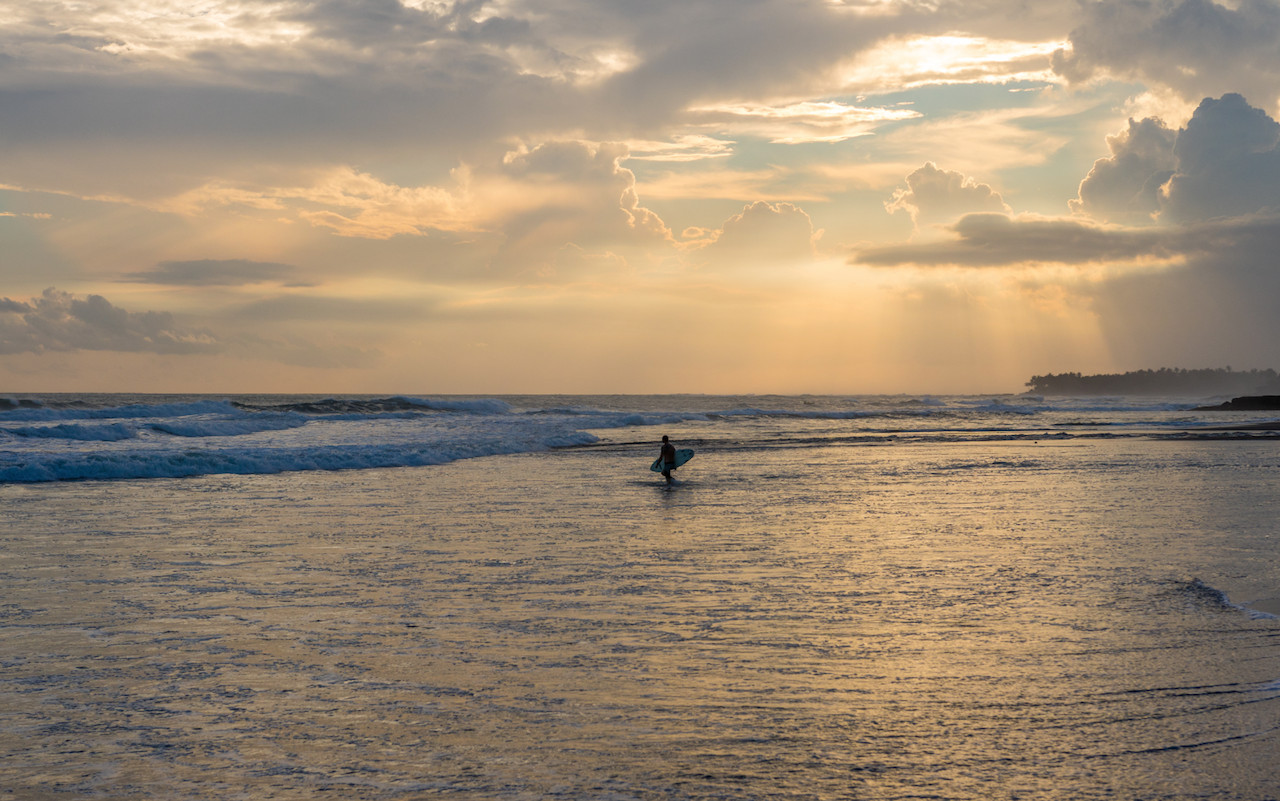
Once a quiet stretch of sand, Kuta Beach is today teeming with vendors hawking anything and everything from massages and henna tattoos to ice-cold drinks and local snacks. But rampant tourism hasn’t dampened the beach’s allure as a prime surf spot. Renowned for its accessible swells and reliable waves, Kuta is an ideal training ground for beginners. More seasoned surfers can head to nearby Kuta Reef, an offshore break easily accessible by boat.

Get kitted out at this shop, café and gallery all rolled into one. Drifter stands in stark contrast to larger surf stores on the island. Instead of retailing big-name brands, it focuses on promoting independent and up-and-coming labels, as well as surf-related art. Here, you’ll find one-of-a-kind surfboards, stylish accessories, surf-related books and collectibles. Complete your shopping experience with an espresso at the on-site café.
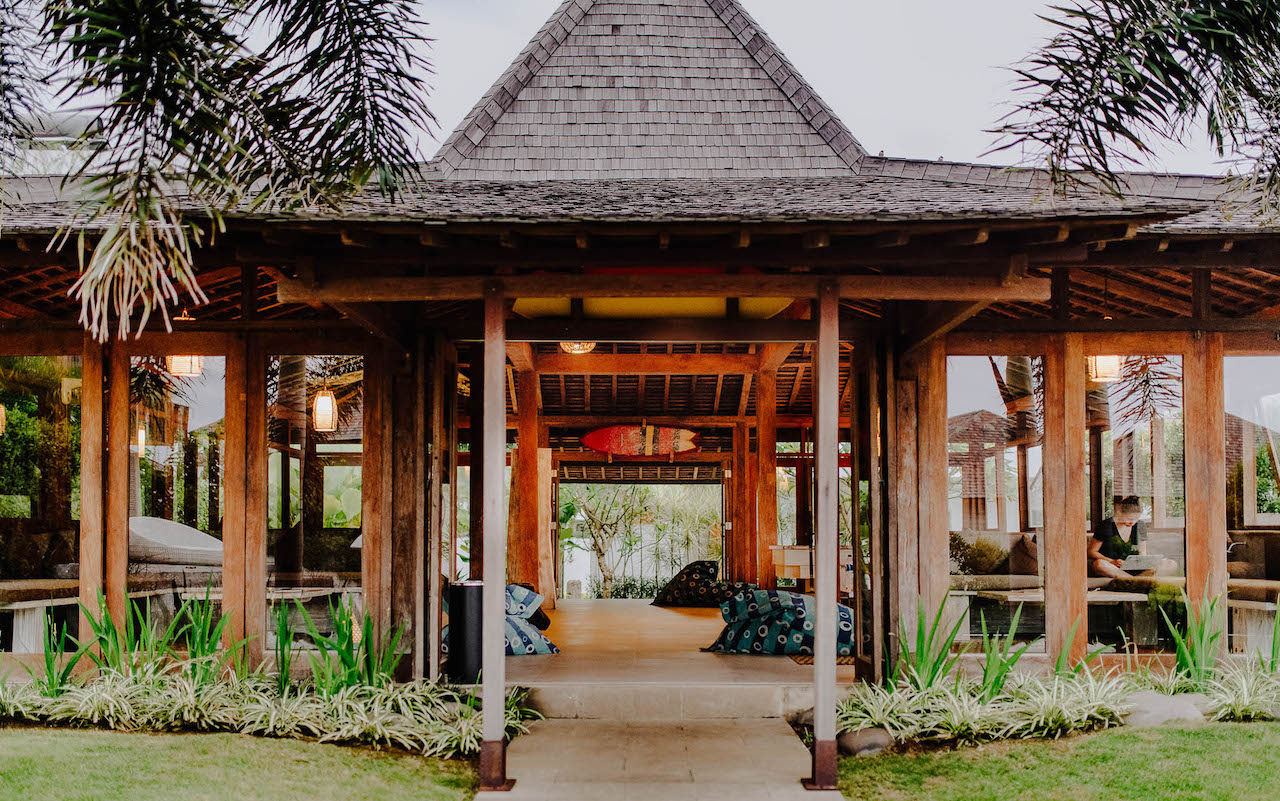
Chillhouse opened back in 2005 when the hipster stomping ground of Canggu was still very much a sleepy surf village. Today, the long-standing institution offers surfing lessons for all levels, along with accommodation and yoga classes. Sign up for one of the various packages and hone your skills on the punchy barrels of Canggu’s fringing reefs.

This breezy second-floor café in the heart of Kuta has welcomed surfing legends such as Rob Machado, Kelly Slater and Mick Fanning. The décor here is on point – think surfboards adorning the ceiling, a Wall of Fame documenting famous visitors and shelves stacked with surfing magazines. On the food front, there is a diverse menu of salads, pastas, seafood dishes and Indonesian classics – best washed down with a frozen margarita or two.
Approximately a 2.5-hour drive northwest of the airport, Balian Beach makes for a great escape from the nearby tourist enclaves of Canggu and Seminyak. Still relatively undeveloped, this unpretentious beach is known for its long swells and picturesque black sands. Balian village also offers accommodation and restaurants for those who wish to stay in the area overnight.
Guests at this surf camp on the picturesque Bukit Peninsula practically live and breathe the sport. Surrounded by caves and hills and only accessible via a stepped path, this laid-back venue offers accommodation, surfing lessons and yoga classes. Some of the island’s best surf breaks – including Green Bowl (which is just 150m away), Padang Padang, Uluwatu and Impossibles – are within easy reach.

Fancy a challenge? Head to Komune on the east coast of Bali, one of the first resorts in the world to offer night surfing. Every evening from 7pm to midnight, the Keramas reef is illuminated by enormous floodlights, with daredevils riding the powerful right-handers and deep barrels that spill onto the gorgeous black-sand beach. Limited to just six surfers per night, it’ll certainly be a surfing experience like no other.

Named after one of Canggu’s most popular surf breaks, Old Man’s attracts a mix of expats and tourists, who often come in straight from the waves. The open-air venue features a long bar and a lounge area with plenty of seating, where you can quench your thirst with an ice-cold beer or an espresso martini. Refuel with an array of pizzas, salads, burgers, fish and chips, or Asian dishes like chicken curry. Visit on Wednesdays for beer pong nights, and on Fridays and Saturdays for live music.
FEATURE IMAGE BY TOMMY SCHULTZ
Singapore Airlines flies to Bali four times daily. To book a flight, visit singaporeair.com
SEE ALSO: Best yoga retreats in Bali
This article was originally published in the August 2018 issue of SilverKris magazine
The post The best surfer hangouts in Bali appeared first on SilverKris.
The Mid-Autumn festival has been observed since the early Tang dynasty (618 – 907), with the cakes themselves believing to have originated in the Yuan dynasty (1271-1368) when revolutionaries used them to pass secret messages to each other.
In China, Mid-Autumn festival is a public holiday where families get together to enjoy grand lantern processions, moongazing and a sumptuous feast. In places like Hong Kong, carnivals and lantern displays, as well as the Fire Dragon Dance, are held in public spaces like Victoria Park.
Here in Singapore, while places like Chinatown and Gardens by the Bay are decked out with colourful lanterns for all to enjoy, it is the variety of mooncakes that most choose to celebrate with. Traditional mooncakes are often made with lotus seed paste and salted egg yolks, but today, there is a mind boggling variety. Here are some of the very best to share with your family on the 24 September.

Thye Moh Chan, the 75-year-old Teochew confectionery has rolled out a collection of handcrafted mooncakes with a unique and memorable light flaky pastry. Like the brand’s signature tau sar piah, these seasonal items are hand-crafted the traditional way, using high quality ingredients such as meticulously prepared smooth mung bean filling.
The mooncakes feature a mix of savoury and sweet fillings, such as favourites like the Salty Tau Sar with Salted Egg Yolk ($38.80) and Sweet Tau Sar with Melon Seeds ($38.80). The brand has also introduced a new flavour – Red Bean Mochi with Salted Egg Yolk ($38.80). The pastry is woven with sweet Taiwanese red beans and soft chewy mochi, and balanced with salted egg yolk and melon seeds. Those who are more adventurous can zero in on the limited-edition Mao Shan Wang Durian with smooth durian-infused mung bean paste ($43.80). The mooncakes come in pretty pastel packaging with peony flower motifs.
Chinatown Point, #01-45/46, Paragon #B1-11/12, Changi Airport Terminal 2 (Level 2, Departure Lounge)

This year, Shang Palace has created Hong Kong style baked custard mooncakes filled with delicate bird’s nest. The hand-crafted treats are rich and creamy, yet not overwhelmingly sweet. Shang Palace’s Executive Chinese Chef Mok Kit Keung who was previously at the helm of the two Michelin-starred Shang Palace at Kowloon Shangri-La, Hong Kong, created these Signature Mini Baked Custard with Bird’s Nest for Singapore’s market for the first time. These golden gems come in elegant champagne gold “treasure chests” with intricate designs. They are available in a box of eight pieces at $118, and perfect for gifting.

Durian lovers will enjoy Goodwood Park’s popular D24 and ‘Mao Shan Wang’ snowskin mooncakes. These soft snowksin mooncakes are freshly made using pure durian pulp without any preservatives.
The premium Mao Shan Wang Durian Mooncakes are $88 for four pieces and $56 for two, and the luscious D24 Durian Mooncakes are $56 for 2 pieces and $88 for four. Great for gifting is the Snowskin Combo ($62 for four pieces) featuring tropical fruit-based mooncakes: Soursop with Calamansi, Mango with Pomelo, Cempedak and D24 Durian.

Fairmont Singapore is most known for its handmade mooncakes featuring soft delicate snowskin, and unique flavours, sometimes infused with alcohol.
Two of its best-sellers include the Mini Champagne Truffle & Chocolate Ganache snowskin mooncake ($70 for eight), and the snow-pearl edition of Mini Rum & Raisin with Chocolate Truffle ($68 for eight). This year, the dim sum team also unveiled their new Mini Salted Egg Caramel mooncakes ($68 for eight). The delicate rose-hued treat with a dark chocolate praline in the centre is well-balanced with a touch of saltiness.

This small boutique bakery offers handcrafted petite-sized snowskin mooncakes using only natural ingredients – from the various flavour pairings to the delicate snowskin made with a special house blend flour.
For example, fresh raspberries are used to tinge the snowskin of the Black Sesame Raspberry Truffle treat. Other sublime flavours include the Japanese Yuzu Truffle – yuzu is infused into the snowskin, and paired with low sugar white lotus paste. The centerpiece is a white chocolate truffle filled with yuzu white chocolate. For a local touch, try the blue-hued Butterfly Pea Gula Melaka made with low sugar Gula Melaka lotus paste and a dark chocolate truffle filled with white chocolate coconut ganache. Prices start from $34.

This year, heritage brand Old Seng Choong presents seven traditional mooncakes. New this season are three traditional baked flavours: White Lotus Paste with Durian Paste ($66.80); White Lotus with Yolk Blend and Mixed Seeds (pine nuts, pumpkin seeds and melon seeds ($66.80)); and Longan with Wugu ($66.80) whose filling is made with pure dried longan paste, dried longan and ‘wugu’ – a mix of five different seeds and berries. Top pastry chef Daniel Tay has also experimented with various ingredients such as dark chocolate, liquors, seeds, nuts, as well as durian, longan, yuzu and cherries.
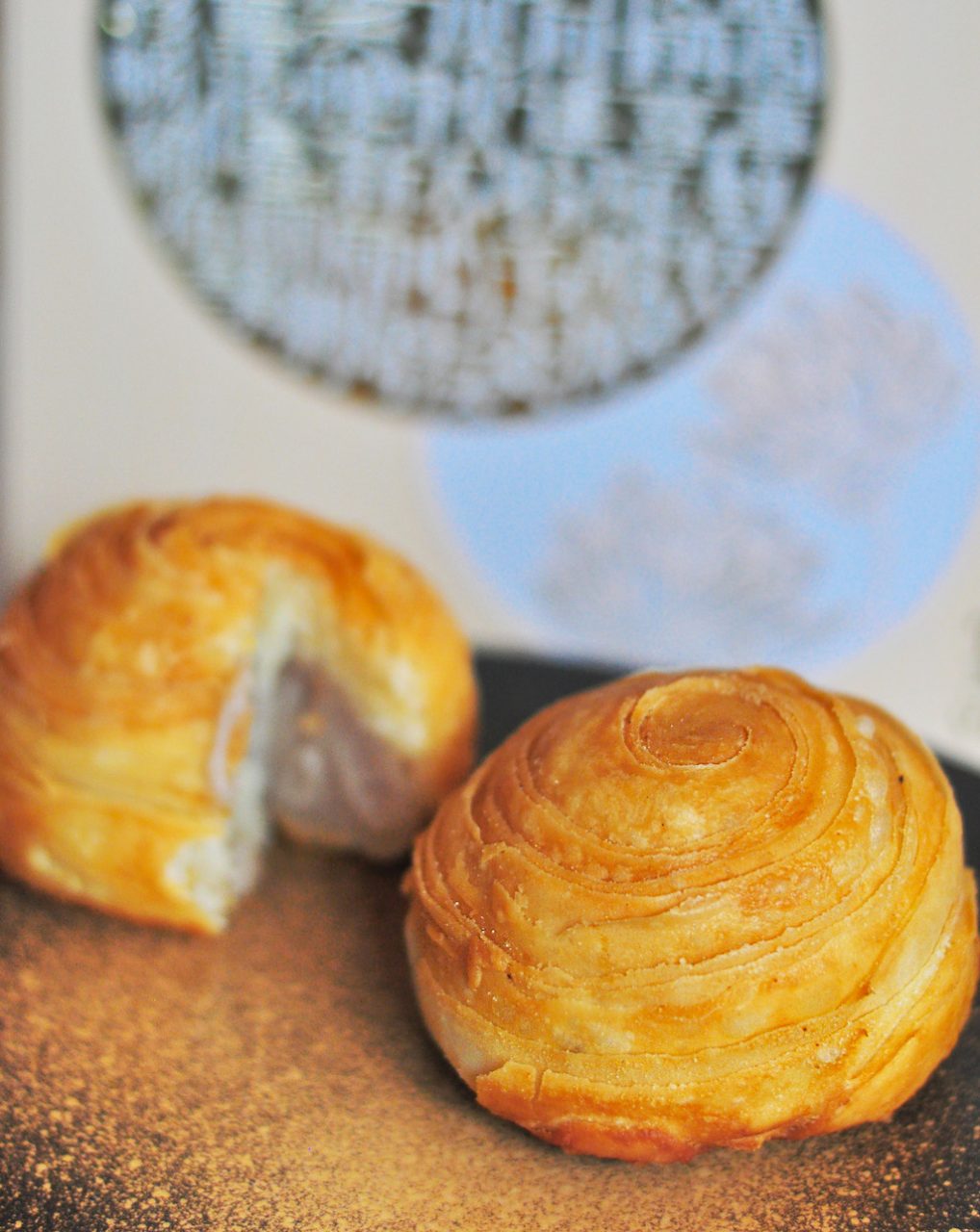
For a flaky, crisp pastry that you won’t find in many places in Singapore, try Yan’s Thousand Layer Yam mooncakes, inspired by the Teochew style of mooncakes. In layers of crispy, light, golden pastry, the sweet yam filling is aromatic and pleasant, a perfect balance. Yàn’s mooncakes are available in boxes of four pieces (from $62); the version with single yolk embedded within is $64. Order them one day in advance.
SEE ALSO: Pamper yourself at these relaxing spas in Singapore
The post Best mooncakes to try in Singapore 2026 appeared first on SilverKris.
