Posts, pics, video and motivation on Travel Lifestyle, countries around the world! Addicted to adventure travel and photography, I'm on a mission to inspire your next journey with entertaining stories, beautiful images, fun travel videos, and useful tips.
Fast-casual restaurants have been taking the Bay Area by storm. From sandwiches filled with fried chicken or hand-rolled pasta to Cuban and Vietnamese fare, check out the following San Francisco spots that won’t waste your time or money.
1. A modern Vietnamese café
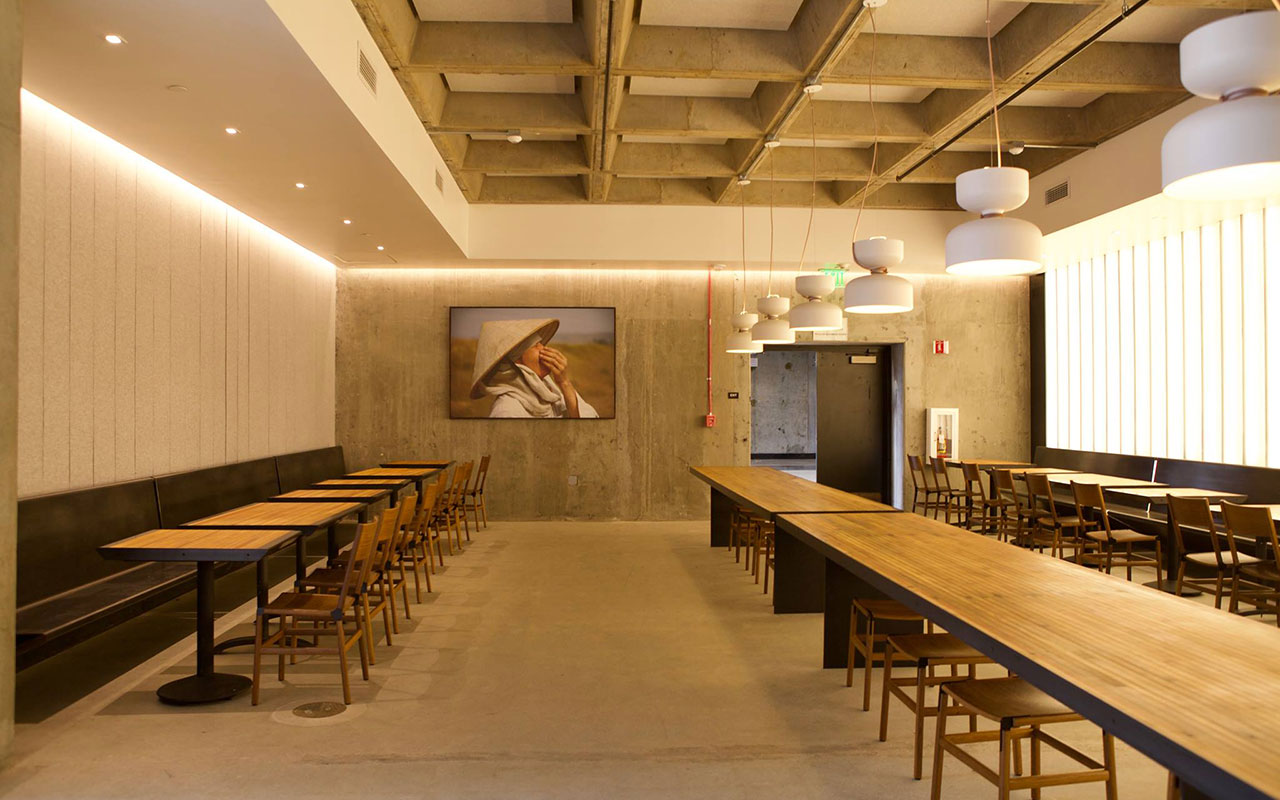
Rice and Bones is lauded chef Charles Phan’s first fast-casual foray is a modern Vietnamese café on the UC Berkeley campus. Choose from regularly changing dishes like beef stew and spicy chicken stir-fry.
Rice and Bones
2. Southeast Asian-inspired fare
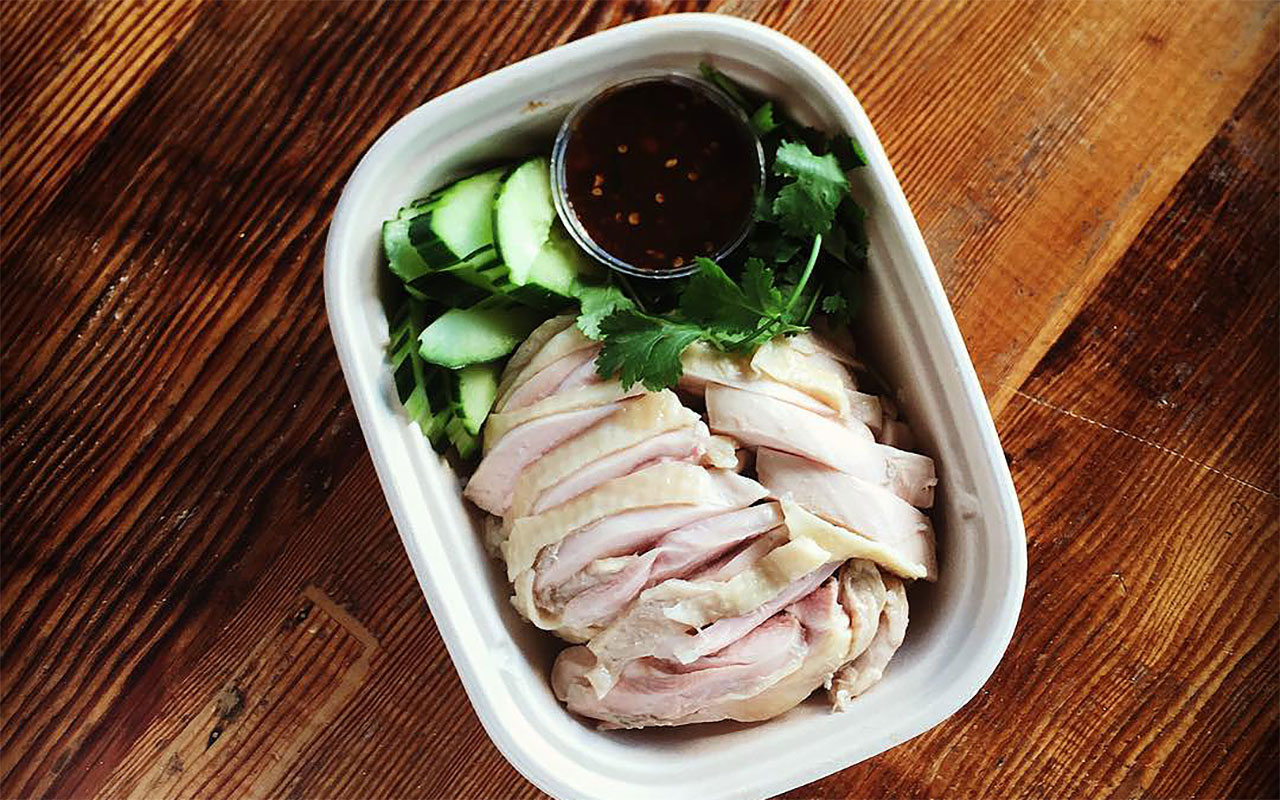
Head to Hawking Bird and savour Southeast Asian-inspired dishes like KMG, or khao mun gai – poached chicken served atop rice that’s cooked in chicken broth – in this bright corner space owned by Michelin-starred chef James Syhabout.
Khao mun gai
3. Cuban sandwiches and rice bowls
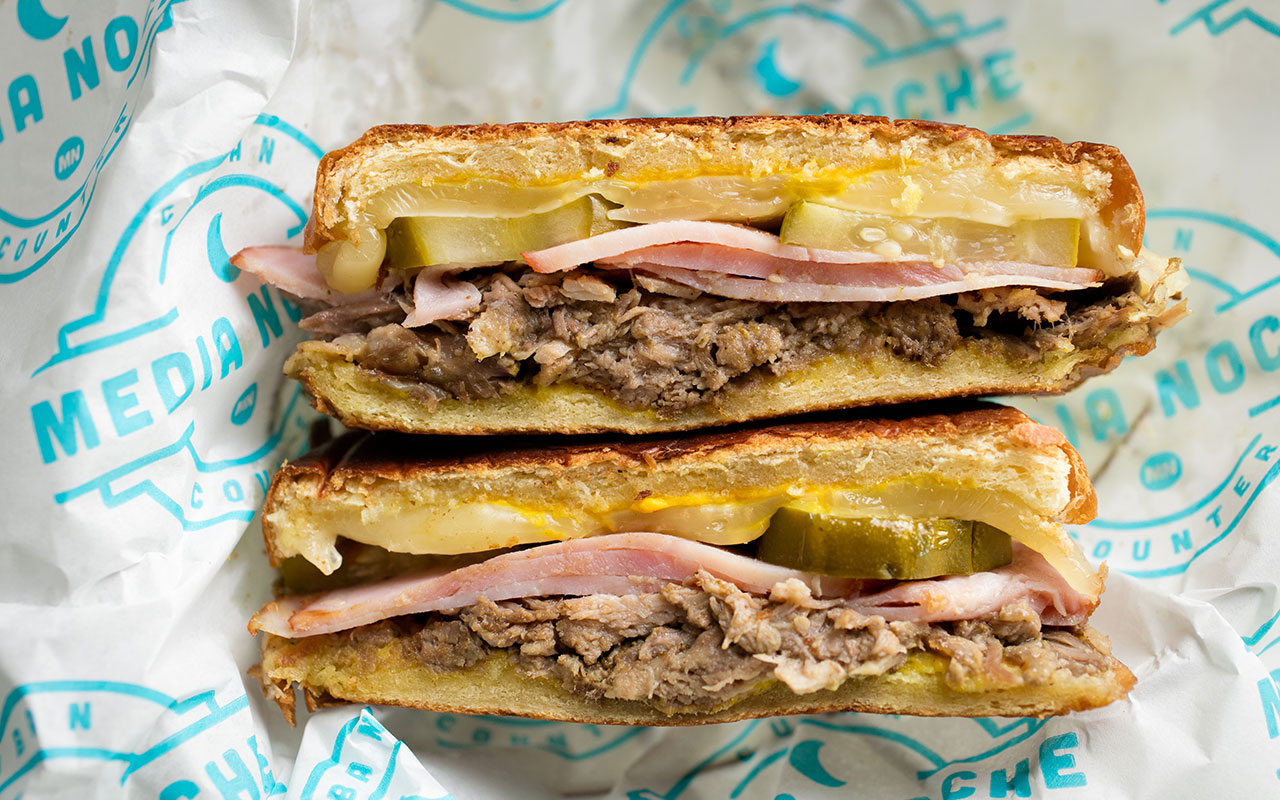
Fun, funky and filled with tropical colours, Media Noche serves up delicious Cuban Miami fare like Cubano sandwiches and a wide selection of rice-based bowls.
Cubano sandwiches at Media Noche (Photo: Molly Decoudreaux)
4. Rotisserie chicken is the star dish
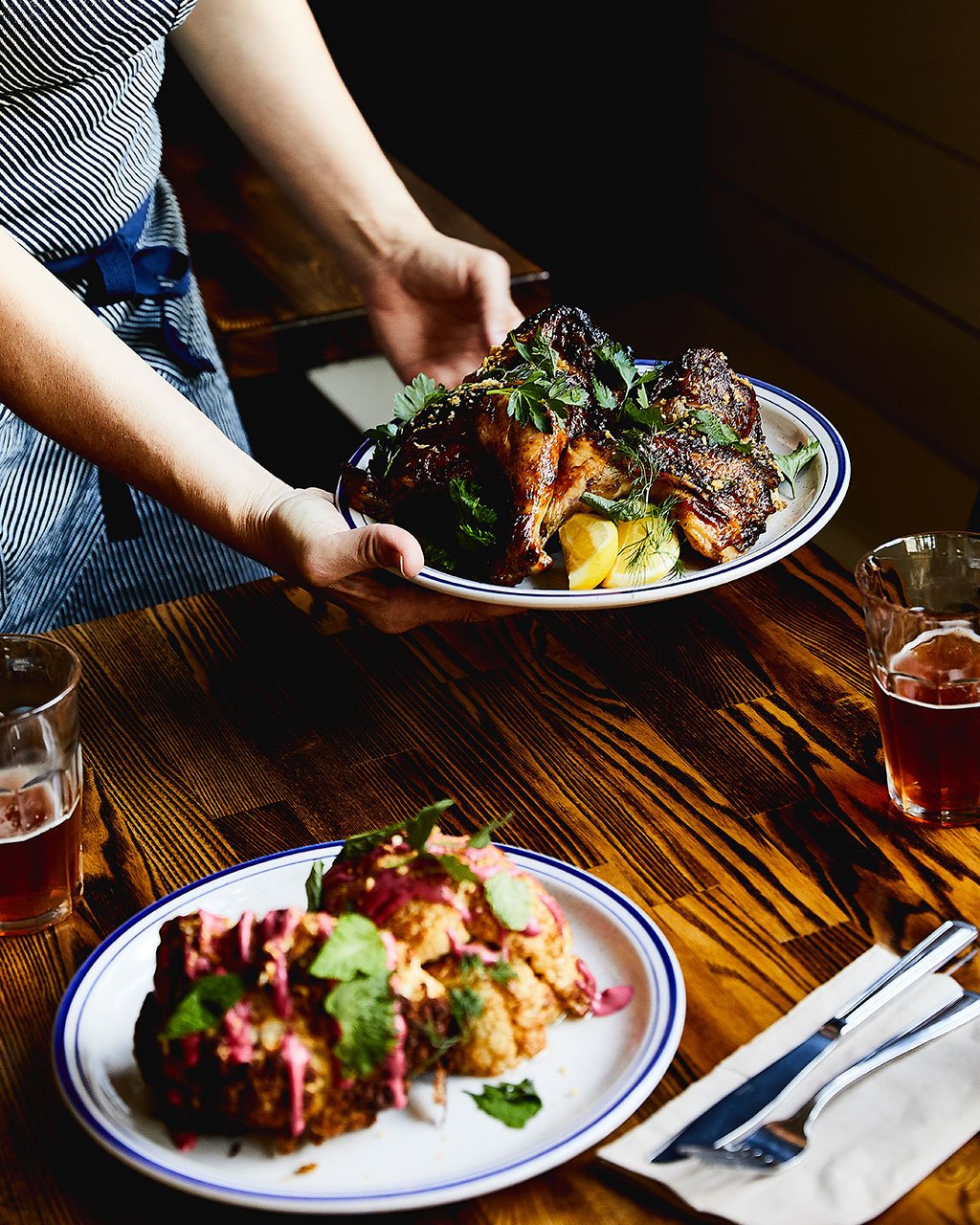
It’s not surprising that RT Rotisserie‘s star dish is a succulent rotisserie chicken. Brined for 24 hours in buttermilk, it’s served with delicious sauces ranging from chimichurri to Douglas fir sour cream.
The signature rotisserie chicken at RT Rotisserie
5. Californian-Italian-style pizza and pasta
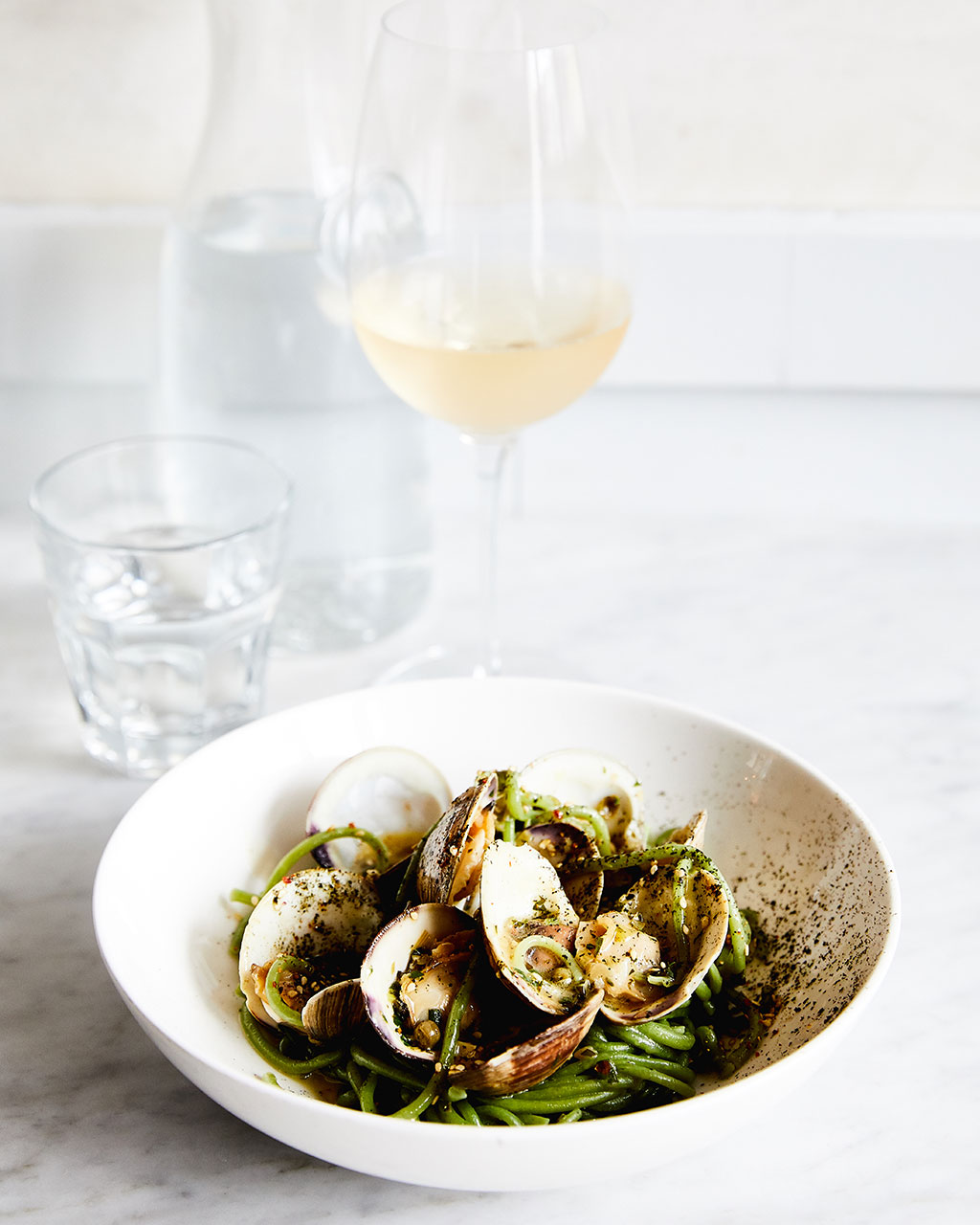
Located in the Mission District, Barzotto’s tightly curated menu includes fresh, hand-rolled pasta dishes like spaghetti with marinara sauce and pork and turkey meatballs and bucatini with clams, green garlic, furikake and chilli.
Bucatini with clams, green garlic, furikake and chilli at Barzotto
6. Dishes inspired by casual souvlaki joints found throughout Greece
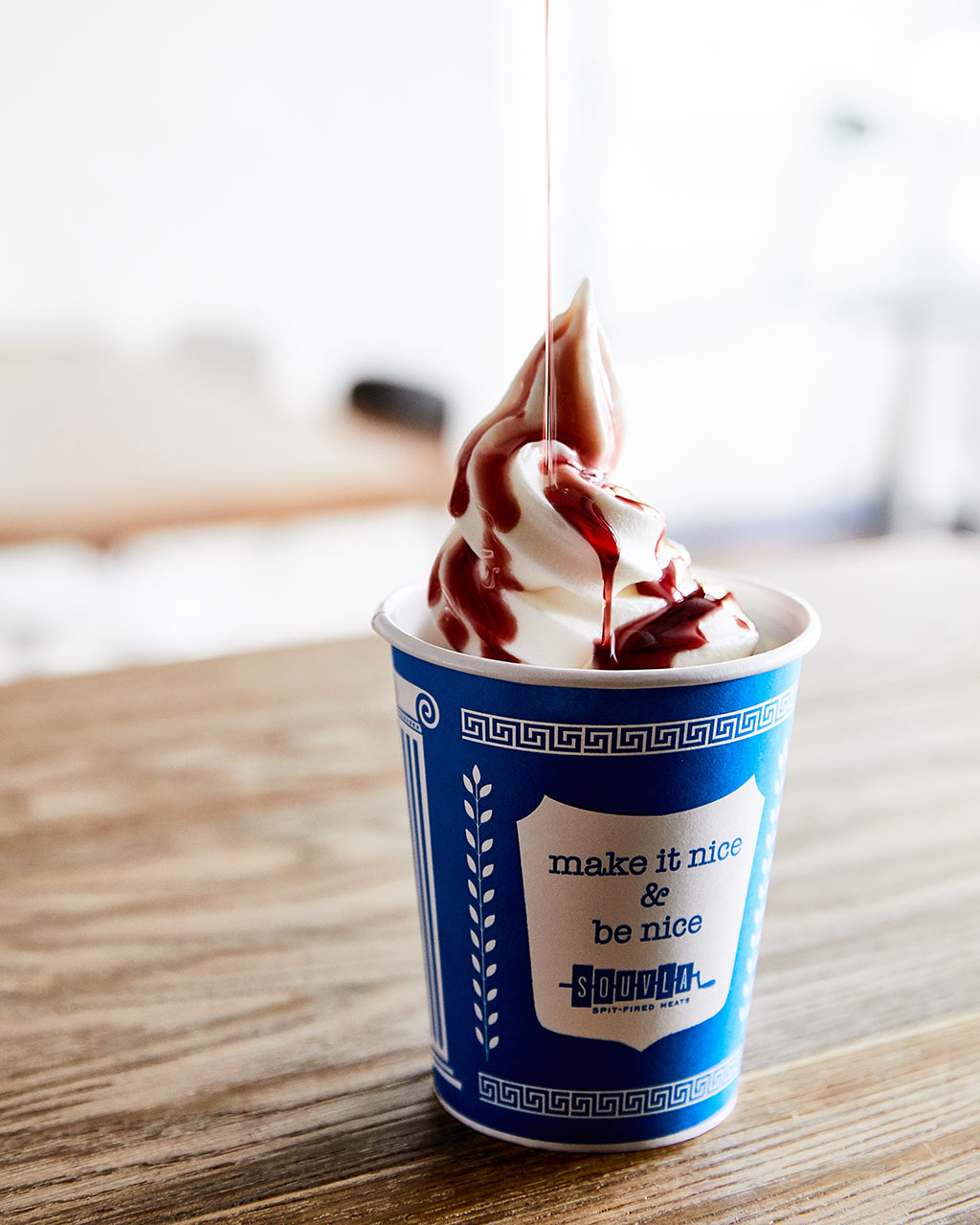
One of the originals, when it comes to fast-casual dining, Souvla is a Greek chain that opened back in 2014. They are known for lamb salads, chicken wraps and delicious frozen yogurt.
Frozen Greek yoghurt at Souvla
– PHOTOGRAPHY BY AUBRIE PICK
Please check the establishments’ respective websites for opening hours as well as booking requirements before visiting, and remember to adhere to safe-distancing measures while out and about.
The information is accurate as of press time. For the latest travel advisory updates, please refer to the Ministry of Foreign Affairs’ website.
To learn more about Singapore Airlines flights to San Francisco, visit singaporeair.com. To join us in protecting the environment by offsetting your carbon emissions on your future flights, visit the following websites to learn more: carbonoffset.singaporeair.com.sg and carbonoffset.flyscoot.com
This article was originally published in October 2021
Driving through India, the country’s cuisines, like its languages and customs, can change every half an hour. The Indian nation is an astounding assortment of topographies, religions and historical origins that inform the way its people eat. The variety of must-try dishes is on display in larger North Indian cities like Delhi, Amritsar, Lucknow and Varanasi.
There is always colour and texture to North Indian cuisines. Takeqormas– thick, rich curries made of meat and flavoured with an assortment of spices; or flatbreads like,roomaliroti, which is made thin as a handkerchief to be wrapped around kebabs, andkulchas, which are stuffed, baked and served with zesty sides. Its dishes are laden with spicy chutneys as additions, elements of crunch, and other techniques that speak to the varied and wide histories of the region.
Eating though North India is a journey of constant adventure, and may not be for the faint-hearted, as it demands will and exploration. It is, however, somewhere every true food traveller should have on their must-try culinary map. Follow crowds in bustling street corners, and visit beloved city icons to eat dishes devised in kings’ courts. In this tightly packed, theatrical part of India, there is something for everyone.
1. Chaat
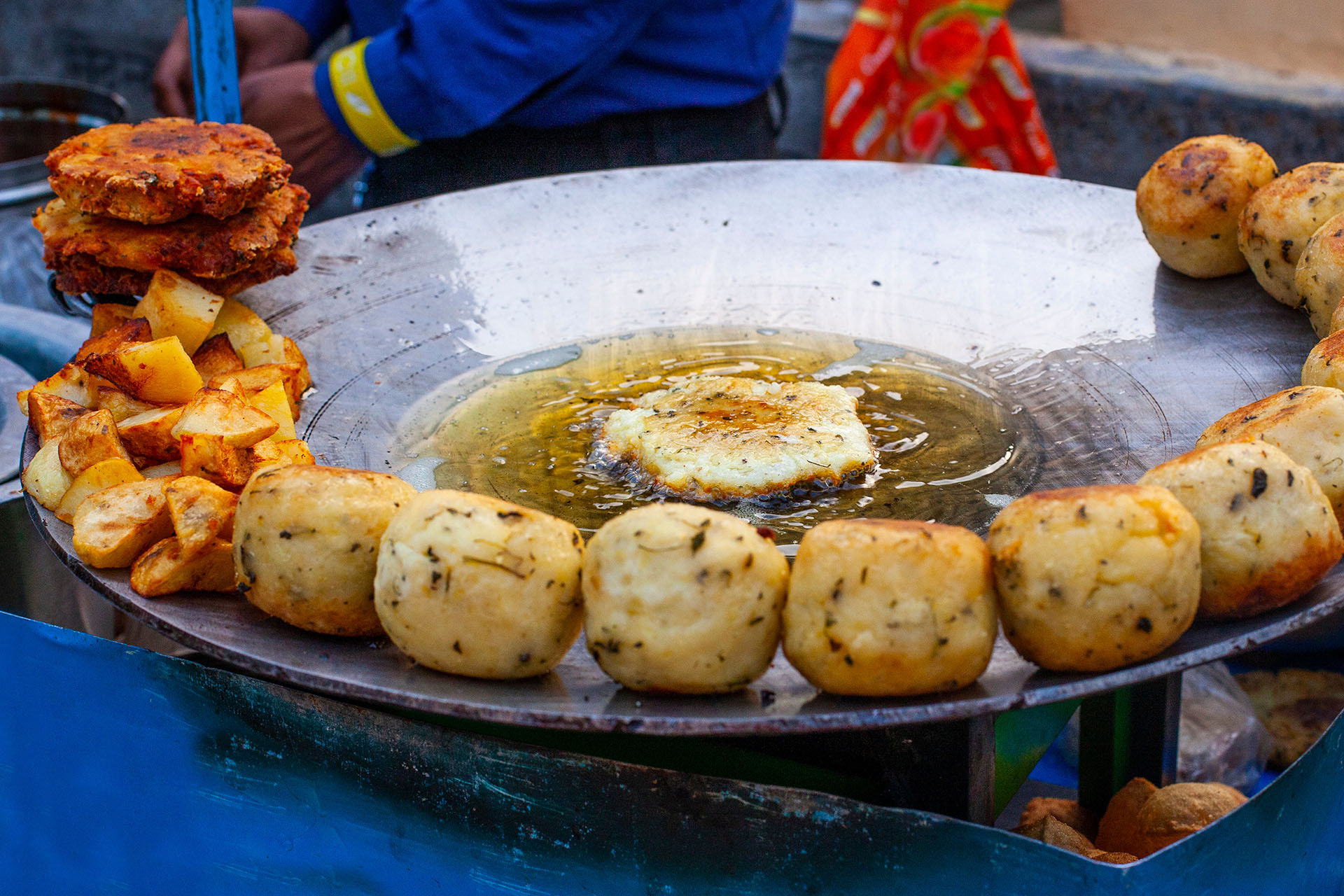
The origins of chaat remain debated, but many conclude that when 16th-century Delhi saw an epidemic of cholera, its emperor, Shahjahan (popularly known for building the Taj Mahal) ordained his cooks to prepare spicy, tangy dishes that could kill the bacteria that was spreading. Chaat is not a dish, but a spectrum of Indian cuisine in which every plate, and every recipe is subject to the whims and imaginations of its cooks.
Many say the name Chaat, which literally translates to “lick”, derives from the delicious recipes that cooks of the North-Indian kingdoms concocted, which left customers licking their fingers and bowls when they ate these inventive creations. Chaat is always eaten on the street – and different cities, districts and neighbourhoods have distinct chaat varieties to their name. Like in Delhi, “aloo tikki” is beloved – in which flat discs of potatoes and lentils are fried, and topped with fresh sauces.
In Varanasi, meanwhile,palak chaak, in which fried spinach leaves are topped with zesty toppings, tells tales of the city’s culinary prowess.
Where to try:The best way to eat chaat is to wander, and follow throngs of locals in the old quarters of cities, but if in Delhi, head to the old city’s Natraj Dahi Bhalle for some of the city’s best offerings, and in Varanasi, Deena Chaat Bhandar and Kashi Chaat Bhandar in the city’s winding lanes will leave little else to desire after you are done.
Chaat is always eaten on the street and different varieties can be found across North Indian cities. Photo credit: Adobe
2. Kebab
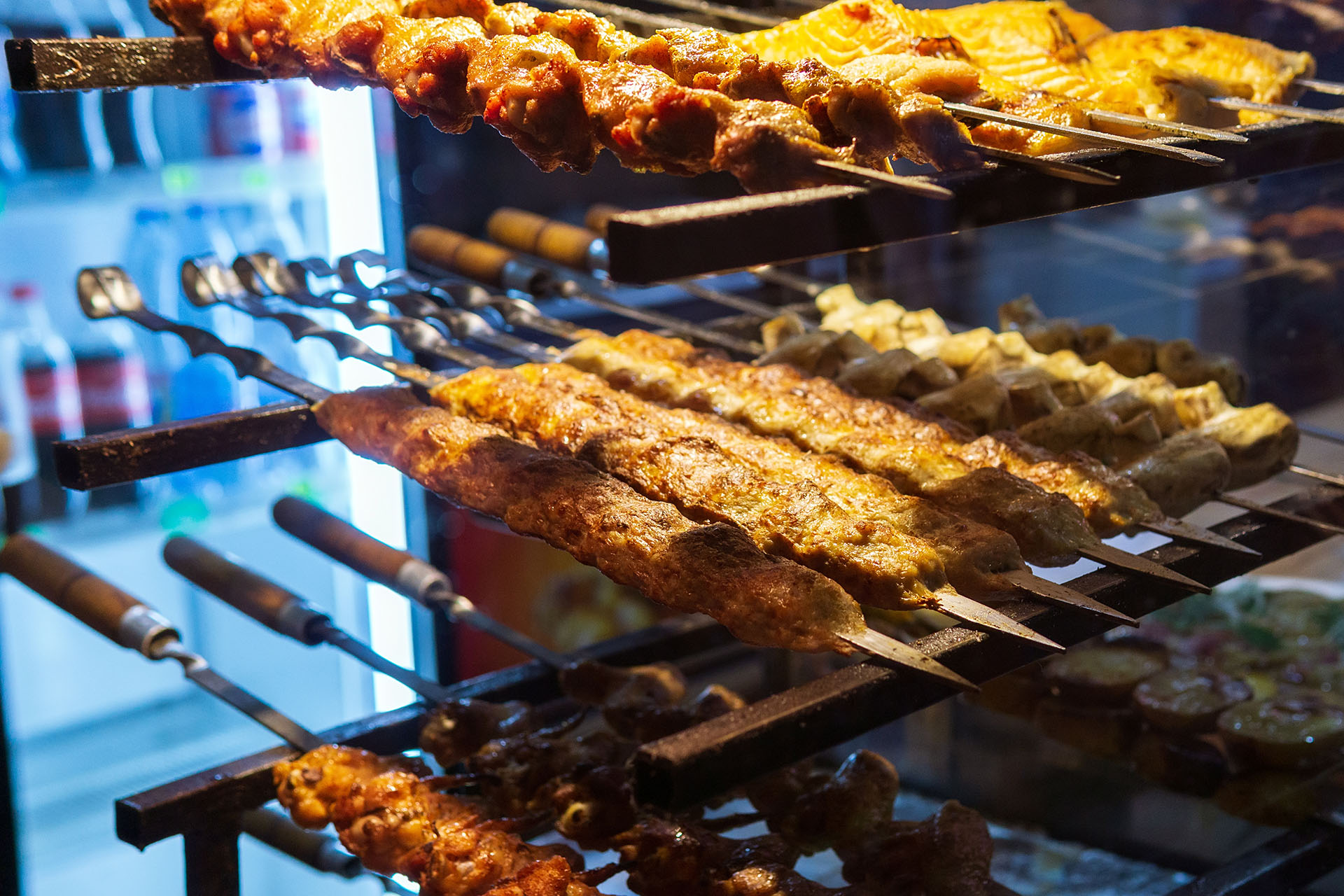
Kebabs – dishes that consist of skewered meat on a grill – were first brought to the country by incoming populations of Turkish traders, and Persianate kings. The recipes consist of different variations of spices, herbs and other softeners like yoghurt and cream. Kebabs are made by shaping the meat and grilling them in largetandoors– massive metal grills that operate on coals.
Kebabs are, as everything in Indian cuisine, of endless types. Take thereshmi kebab, which instructs that pieces of chicken must be marinated in cream and grilled so they are finally as soft as “resham” or silk. Another option is the simple seekh kebab, in which minced and spiced chicken (or mutton meat) are moulded into tubular shapes and eaten with handkerchief like rotis for a quick, filling meal.
Where to try:In Lucknow, the Tunday Kebab – a soft, melt-in-the-mouth kebab made with beef or mutton meat that was devised for a toothless king is a citywide legend and can be found at its namesake restaurant, Tunday Kababi. In Delhi, the neighbourhood of Nizamuddin is home to the city’s most renowned sufi-shrine, and kebab restaurant named Ghalib Kabab Corner — both of which exhibit the city’s layered cuisine and history.
Turkish traders introduced kebabs to North India. Photo credit: Adobe
3. Gulab Jamun
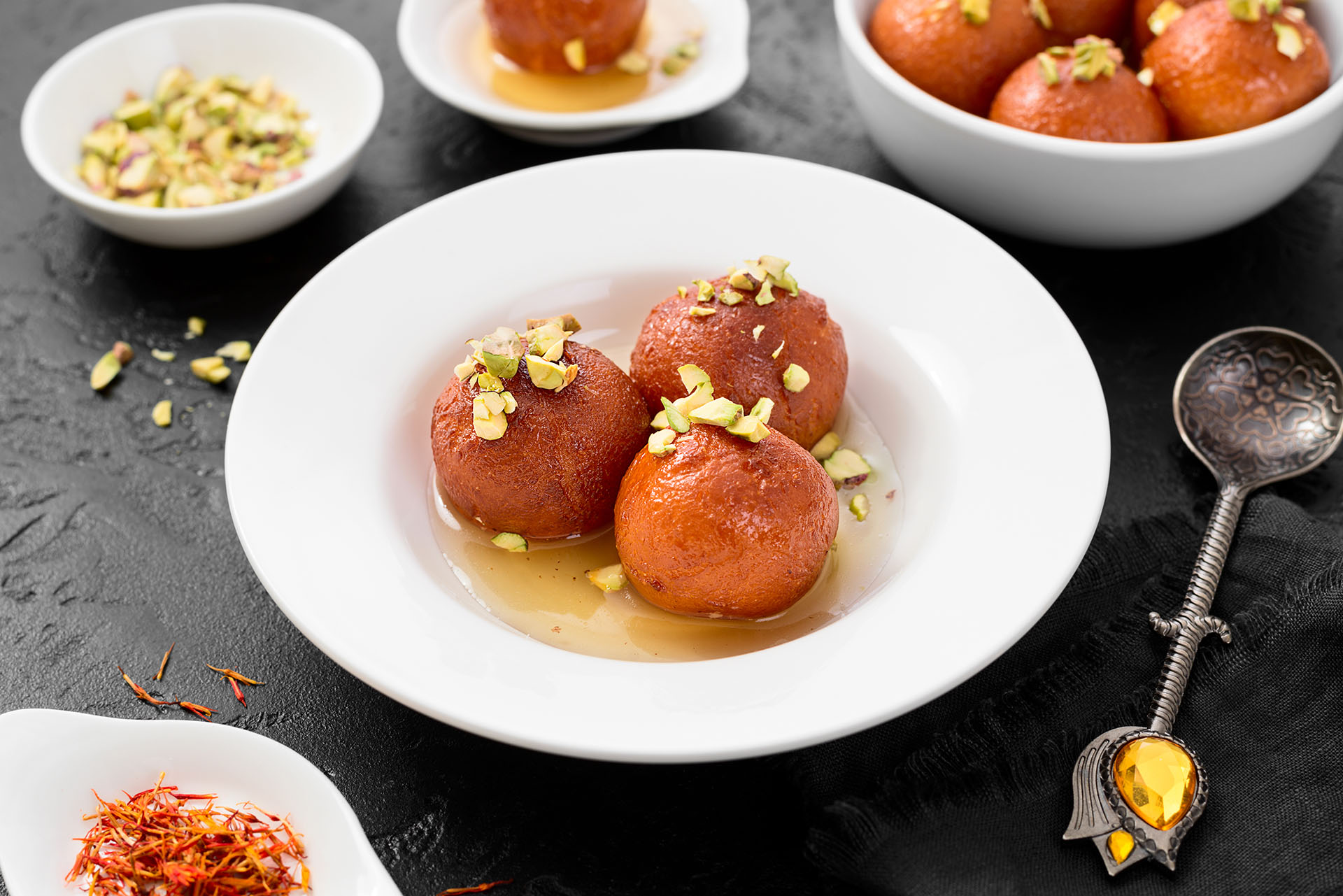
Indulgence has its best form in this popular North Indian dessert. Gulab Jamun originates from the Arabic dessertLuqmat-Al-Qadi and is a soft, melt-in-your-mouth treat made from fried dumplings made of thickened milk. After they are fried, the round, sugary sweets are coated with rose-flavoured sugar syrup, and garnished with powdered pistachios and served warm. While perfect for the winters, Gulab Jamun is eaten all year round by delighted children and sneaky adults.
Where to try:These are available at most sweet shops in North Indian cities, but the most famous are at Chaina Ram Confectioners in Chandni Chowk, Old Delhi; and at Kesar Da Dhaba in Chowk Passian, Amritsar.
Gulab jamun can be found in sweet shops across North India. Photo credit: Adobe
4. Kulcha
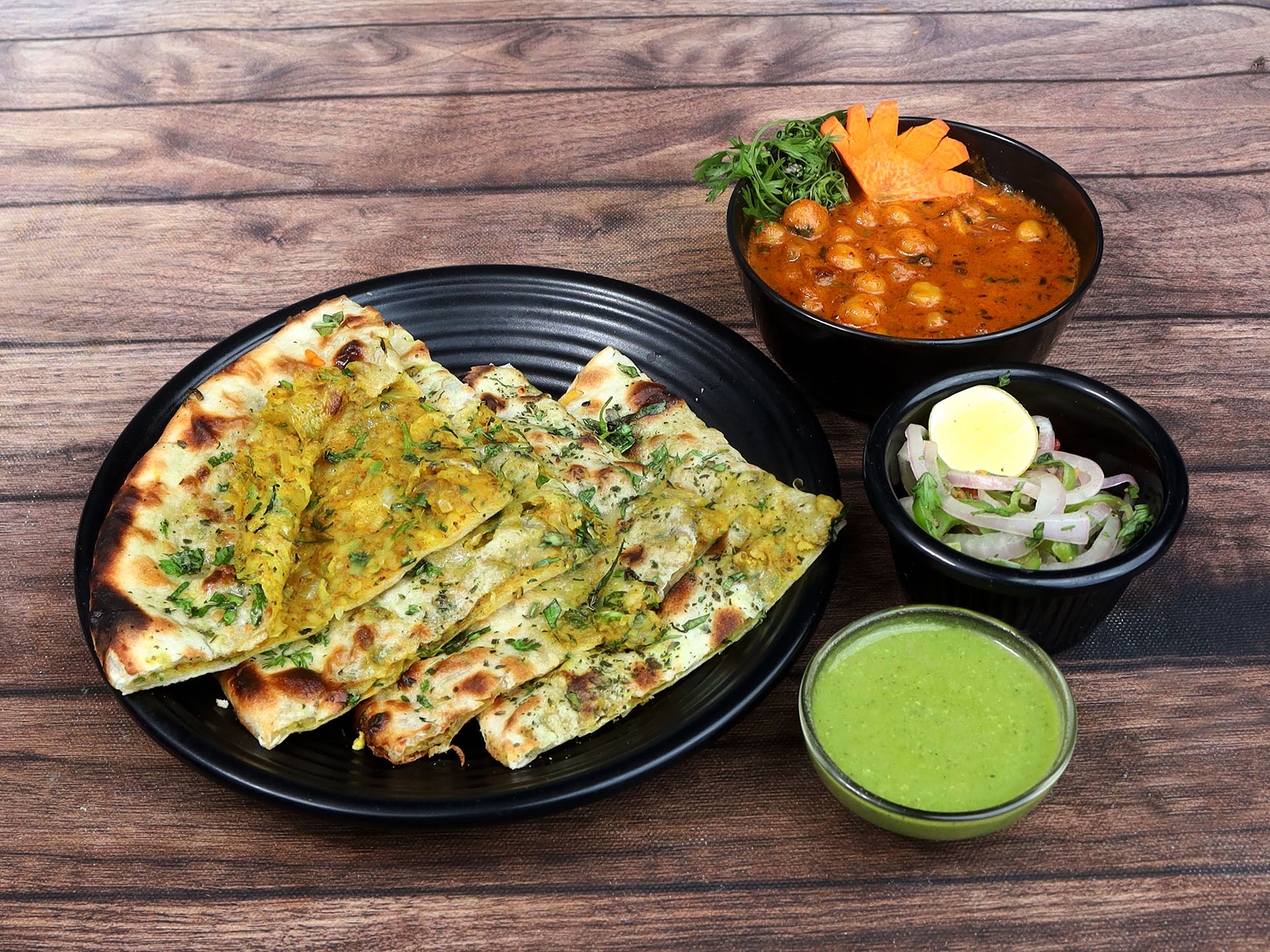
The conception of Indian food has finally expanded beyond its most obvious formulations of chicken tikka masala and naan. This is what brings us to the Kulcha, native to Amritsar, Punjab.Kulchais a stuffed bread made with flour in a large coal-fired tandoor, or on an iron-pan over a stove. Unlike naan, kulcha is a layered, flaky flatbread, and can contain pastry-like folds that are laden with ghee, made with cow’s milk, and also fillings of onions, potatoes and paneer.
In Amritsar, the kulcha is beloved, and served with onions, mint chutney, raitas or yoghurt-based preparations, and a “chhole” which is a spiced curry of chickpeas on the side. The bread is a perfect breakfast or lunch, but remember that kulchas are best eaten in the day, as they are a hearty meal that match their origin city Amritsar’s robust and resilient spirit.
Where to try:In Amritsar, kulchas are abundantly available, but a few recommendations include: Ashok Kulche Vala at Ranjit Avenue; or Brothers Dhaba, at Golden Temple road near the city’s most visited, and wondrous temple. In Delhi, a good Amritsari kulcha can be found at a restaurant named Prem Di Hatti, in the city’s West, which makes an assortment of the dish.
Kulcha is a clay-baked bread native to Amritsar. Photo credit: Adobe
5. Lassi
This Indian beverage, varied in form and flavour is often unfairly reduced to its one, mostly consumed form of “mango lassi”. Here, the yoghurt is set with artificial flavourings and sweetened with sugar before it is served. But a good lassi is about the quality and freshness of its milk, the way the yoghurt is churned, and set in large clay pots before it is served.
An industrially made lassi has nothing on a tall, frothy glass made in one of India’s oldest and finest lassi shops. Lassis can be salty – as accompaniments to meals, where the drink is garnished with freshly ground cumin, or other house spices. They can also be luxurious and sweet, where they are thickened, sweetened, and flavoured with saffron, set with beautifully cut nuts. (Disclaimer, sweet lassis can be entire meals in themselves).
Where to try:In Varanasi, Pehalwan Lassi is a treat fit for a king. Each glass of lassi is churned for hours, before it is infused with rabdi – a pudding-like sweet made by reducing fresh, creamy milk, and topped with fragrant spices and almonds.
Lassis can be found both salty and sweet. Photo credit: Adobe
[sk_quiz]
Please check the establishments’ respective websites for opening hours as well as booking requirements before visiting, and remember to adhere to safe-distancing measures while out and about.
The information is accurate as of press time. For the latest travel advisory updates, please refer to the Ministry of Foreign Affairs’ website.
Since the launch of KrisFlyer in 1999, members have been rewarded for not only flying with the Singapore Airlines Group, but also when they dine and shop with partners. With the launch of KrisShopper, KrisFlyer members who love shopping can get their retail therapy on KrisShop, and enjoy even more rewards for it.
KrisShop started as an inflight duty free shop on board Singapore Airlines. Since then, it has expanded to an omni-channel retailer with a flagship e-commerce platform, as well as presence on Kris+ and KrisWorld. In addition to offering a wide array of global brands and homegrown labels, KrisShop is also home to exclusive merchandise and collaborations. For instance, the Batik Label by KrisShop features products that incorporate the iconic Singapore Airlines batik motif, while The Upcycling Project breathes new life into parts and materials from retired commercial aircraft. KrisShop’s new loyalty programme is one more reason to continue shopping on KrisShop.
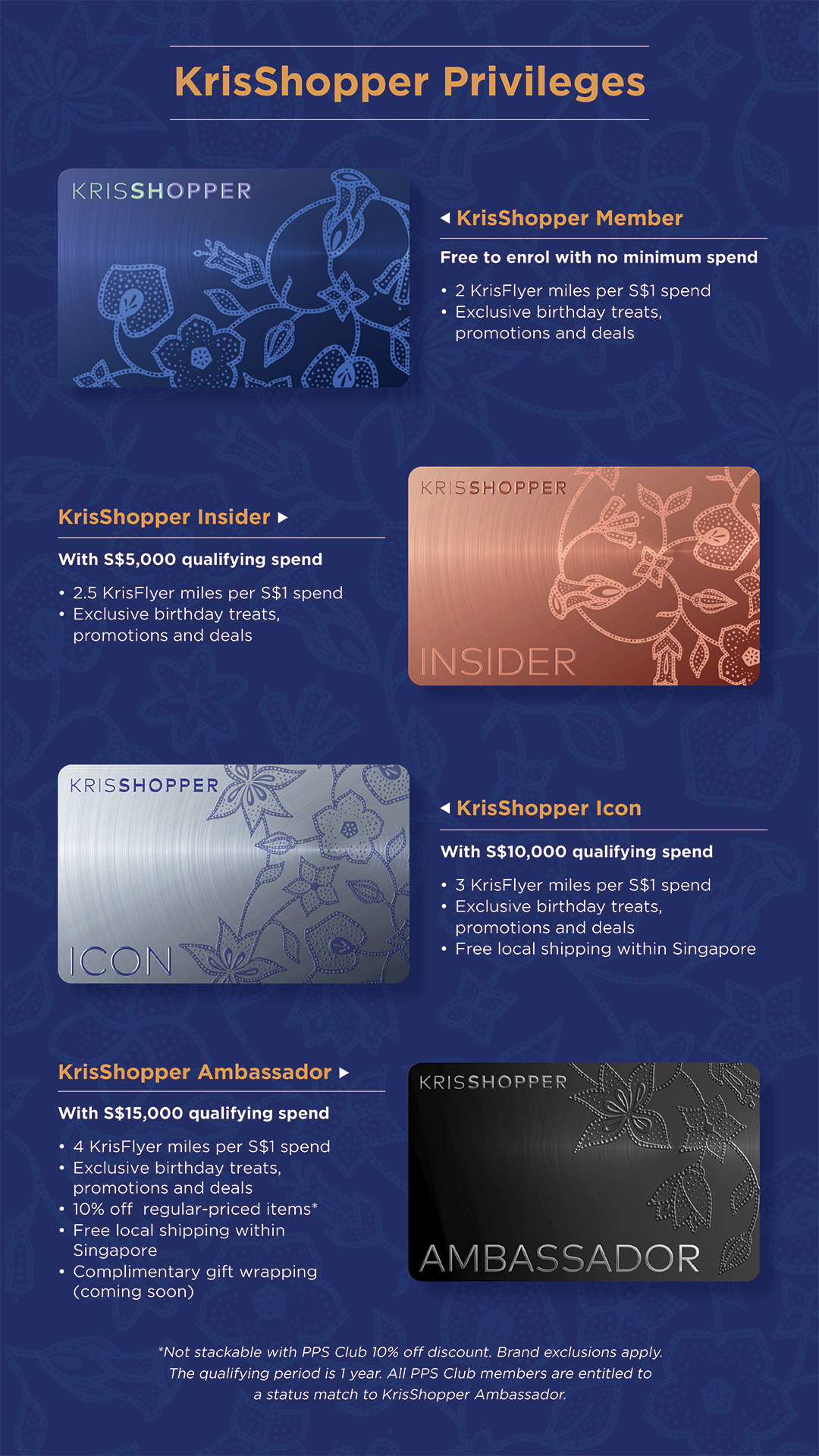
Wondering how it works? KrisShopper has four tiers of membership, take a look below:
Ready to join? There are several early-bird promotions that shoppers can take advantage of until 30 June 2022. The first 30,000 members can get up to 1,000 bonus KrisFlyer miles (500 miles when you link your account and 500 miles when you subscribe to the KrisShopper newsletter). Of which, the first 5,000 people to take those actions will get an additional S$20 early-bird reward. KrisShop is also offering a limited-time status match for selected KrisFlyer tiers. This means Elite Gold and Elite Silver members would be upgraded to Icon and Insider respectively.
PPS Club members are entitled to a status match to KrisShopper Ambassador, applicable for the duration of their PPS Club membership. Non-KrisFlyer members can also sign up for both programmes concurrently here.
To learn more about KrisShopper, KrisShop’s loyalty programme, click here.
The food scene in New Delhi is diverse and seems to be growing by the minute. While international flavours can be found in many of the city’s hot spots, it is the Indian flavours that are being presented in an entirely new light. Check out these fantastic Delhi restaurants for a taste of the top picks.
1. Seasonal produce can be sampled at NicoCaara
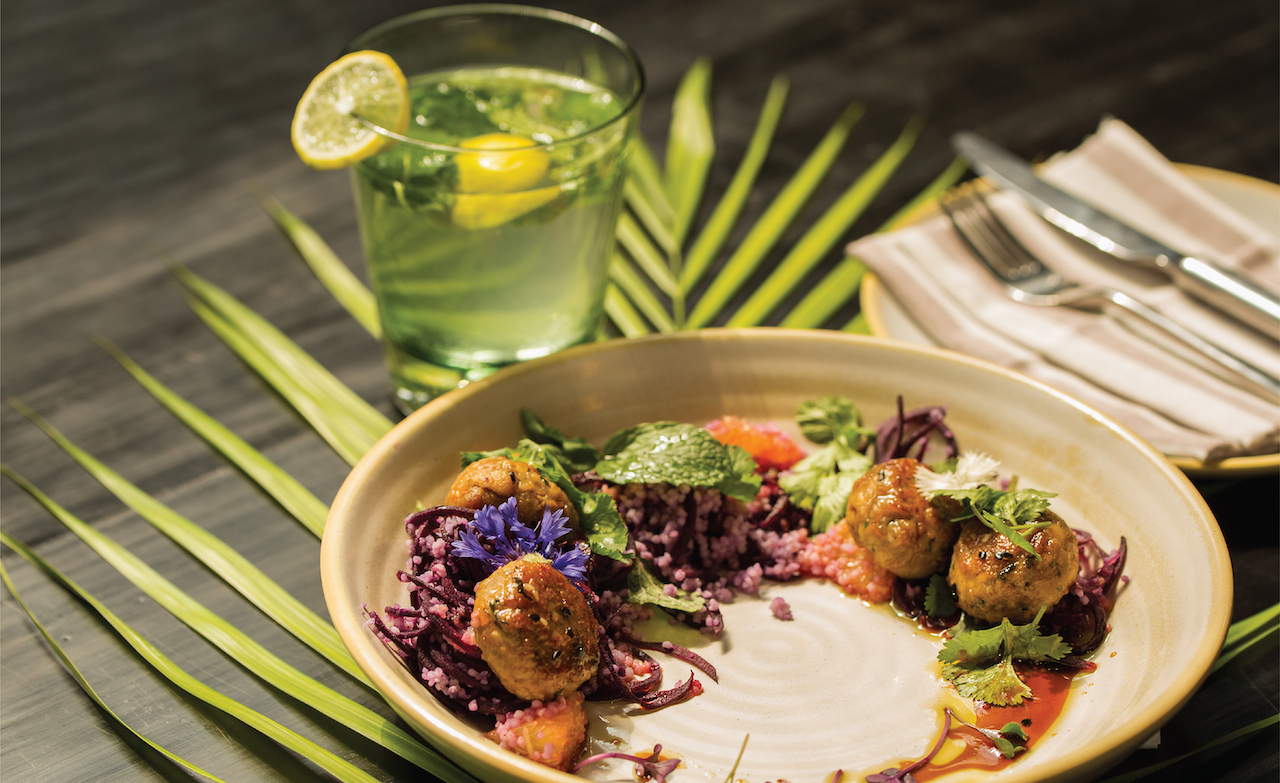
NicoCaara is the result of a collaboration between the Nicobar clothing brand and CAARA cafe. This spot utilises seasonal organic produce to explore the coastal cuisines of India and the Mediterranean. Expect curries and pasta served alongside chilli- and coriander-flecked avocado toasts as well as burrata with grilled eggplant and Goan Tripoli pepper.
A must-try at NicoCaara is their chicken and shitake orange glazed meatballs (Photo credit: NicoCaara)
2. Regional Indian cuisine is the focus at Jamun
Jamun pays homage to India’s diverse culinary traditions. They menu curates a mix of forgotten recipes and popular Indian dishes from the heartland. For example, the bharwan guchhi – tandoor roasted Kashmiri morels stuffed with water chestnut and sprinkled with truffle oil – uses mushrooms sourced directly from farmwives in Kashmir.
Jamun offers an à la carte menu and specially curated set menus on certain occasions
3. Inventive Indian cuisine can be enjoyed at Indian Accent
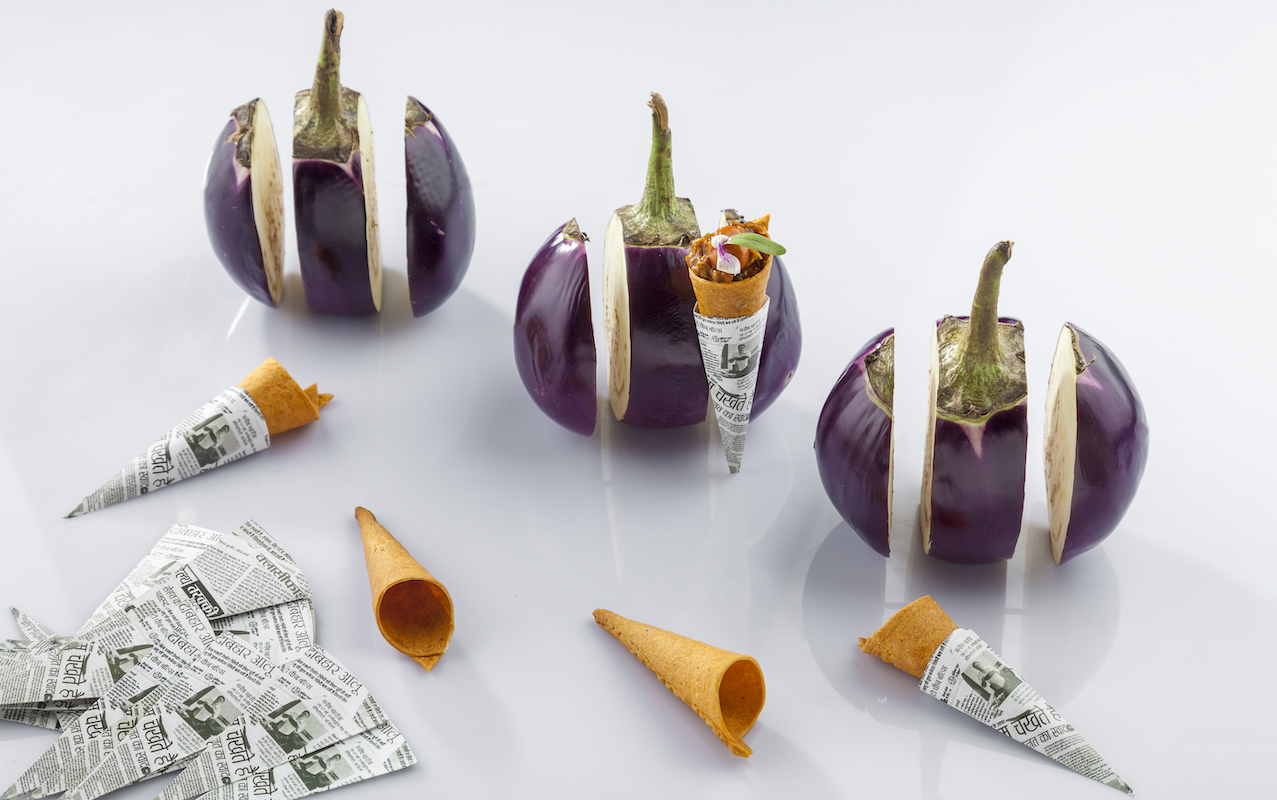
At Indian Accent, fusion ingredients and techniques underscore plates such as pork ribs and sun-dried mango pickle or spice-infused chicken kofta. Consistently named among Asia’s 50 Best Restaurants, the restaurant now sits in an artful dining room at The Lodhi hotel.
Baigan Bharta Cornet at the Indian Accent
4. Re-imagined Indian dishes are prepared at Varq
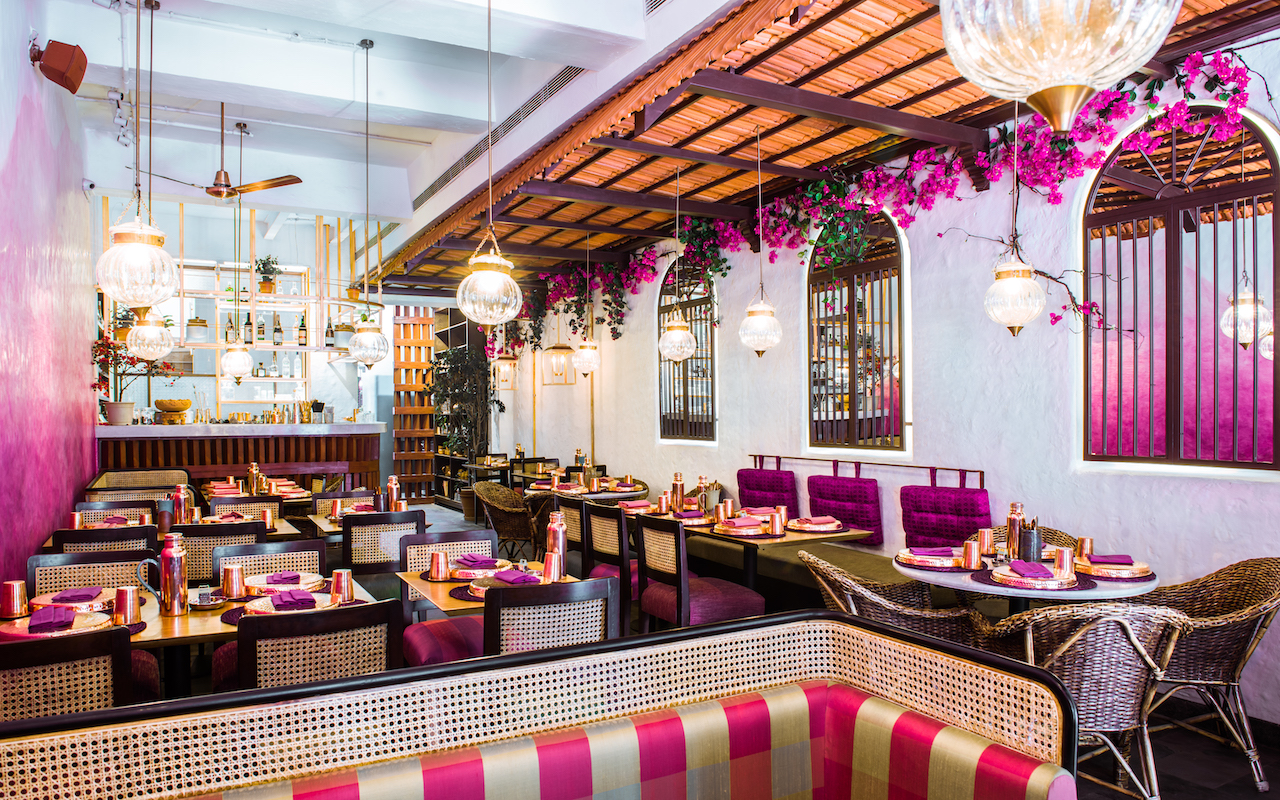
Varq is an upscale restaurant that specialises in re-imagined, sophisticated Indian cuisine, beautifully plated and plump with the essence and aromas of Indian food. The menu is expansive, and indulgent and boasts a fine spread that consists of chaat, a popular street-snack made with crispy flowers, and puddings of apricot in handmade puff pastry.
Additional reporting by Sharanya Deepak
Please check the establishments’ respective websites for opening hours as well as booking requirements before visiting, and remember to adhere to safe-distancing measures while out and about.
The information is accurate as of press time. For the latest travel advisory updates, please refer to the Ministry of Foreign Affairs’ website.
Delhi has always been a great city city for shopping. Famous for its marketplaces, the retail scene is being reinvented by designers who want to change how people shop and express themselves.
Smack in the centre of India’s north-central plains, the capital city was for centuries a bustling junction on transcontinental trade routes. A parade of dynasties flocked here, razing and rebuilding the city, leaving behind staggering architecture and a legacy of opulence. The city’s myriad marketplaces also thrived, piled high with textiles, spices, gold and ceramics from far-flung lands and packed with artisan guilds whose handiwork adorned everything from clothes and jewellery to crafts.
Markets and shopping remain an important focus in the city today, be it the overwhelming alleys of Chandni Chowk, the sprawling fabric, sundries and gold shops of Lajpat Nagar or the millennial-friendly haunts of Hauz Khas. But that’s not to say the retail scene hasn’t changed.
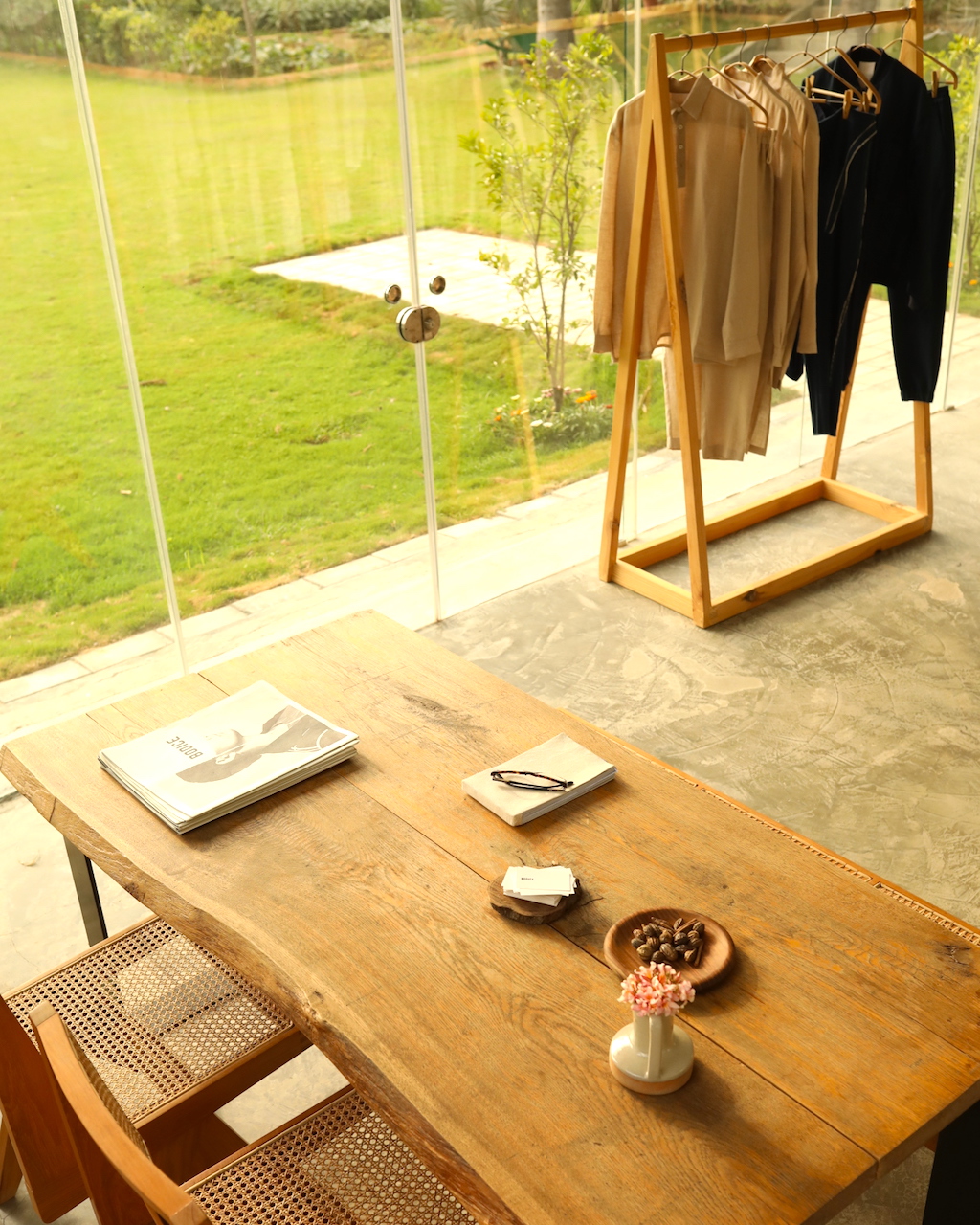
The interior of Bodice Studio
Beginning in the mid-1980s, commercial hubs such as Khan Market, Meharchand Market and Greater Kailash began introducing air-conditioned spaces to cater to a growing base of middle-class shoppers in search of ready-to-wear fashion and boutique labels. What remained the same, though, is Delhi’s devotion to following Bollywood trends and status consciousness.
But now, a new breed of designers is reinventing the wheel – turning shopping from a purely transactional process to a design-centric experience where people can meaningfully connect. More than that, though, their thoughtful mix of beautiful spaces, envelope-pushing Indian fashion and curated events is fostering an unprecedented experimentation with personal style.
We visit four of the pioneers behind this fashion revolution in the metropolis.
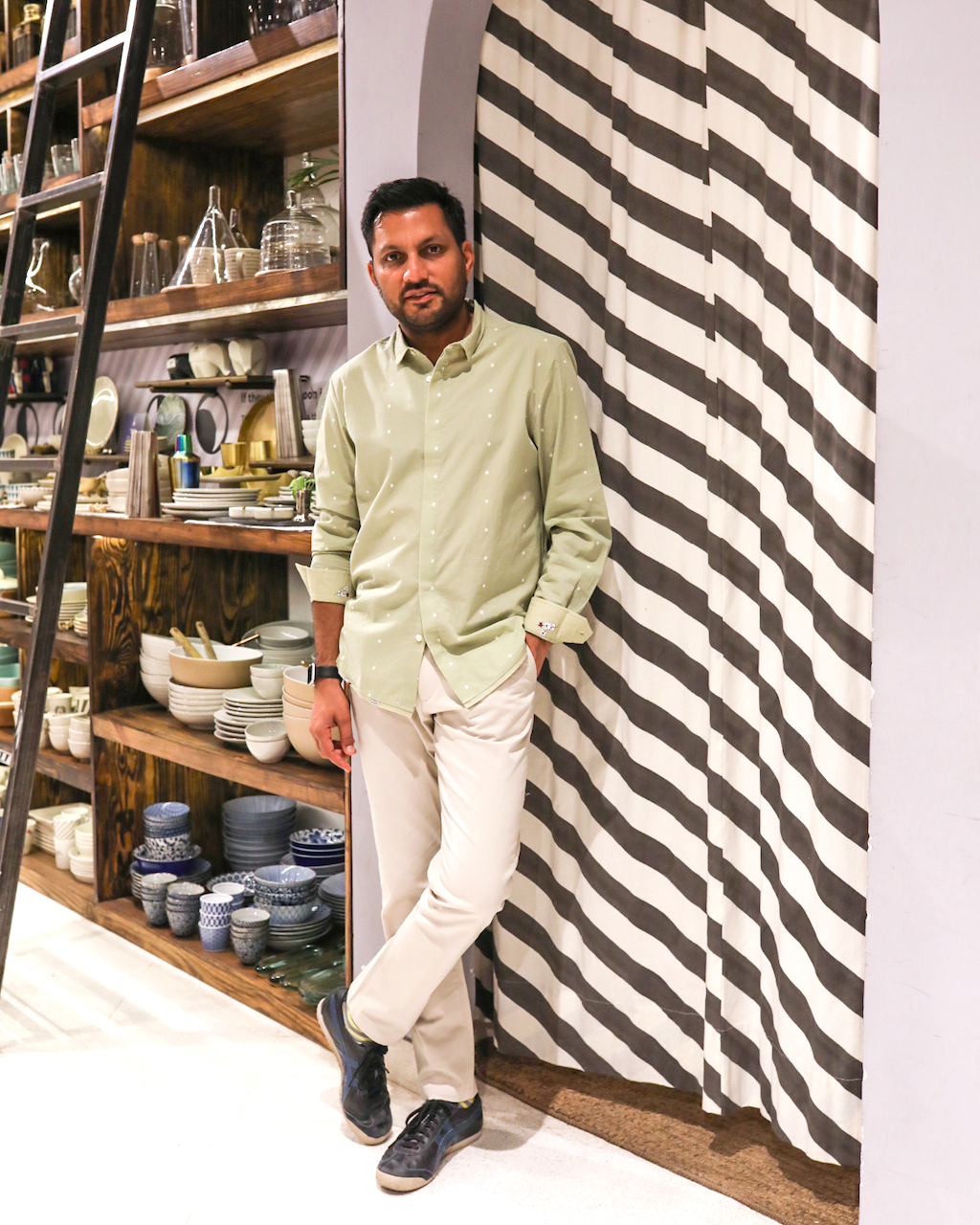
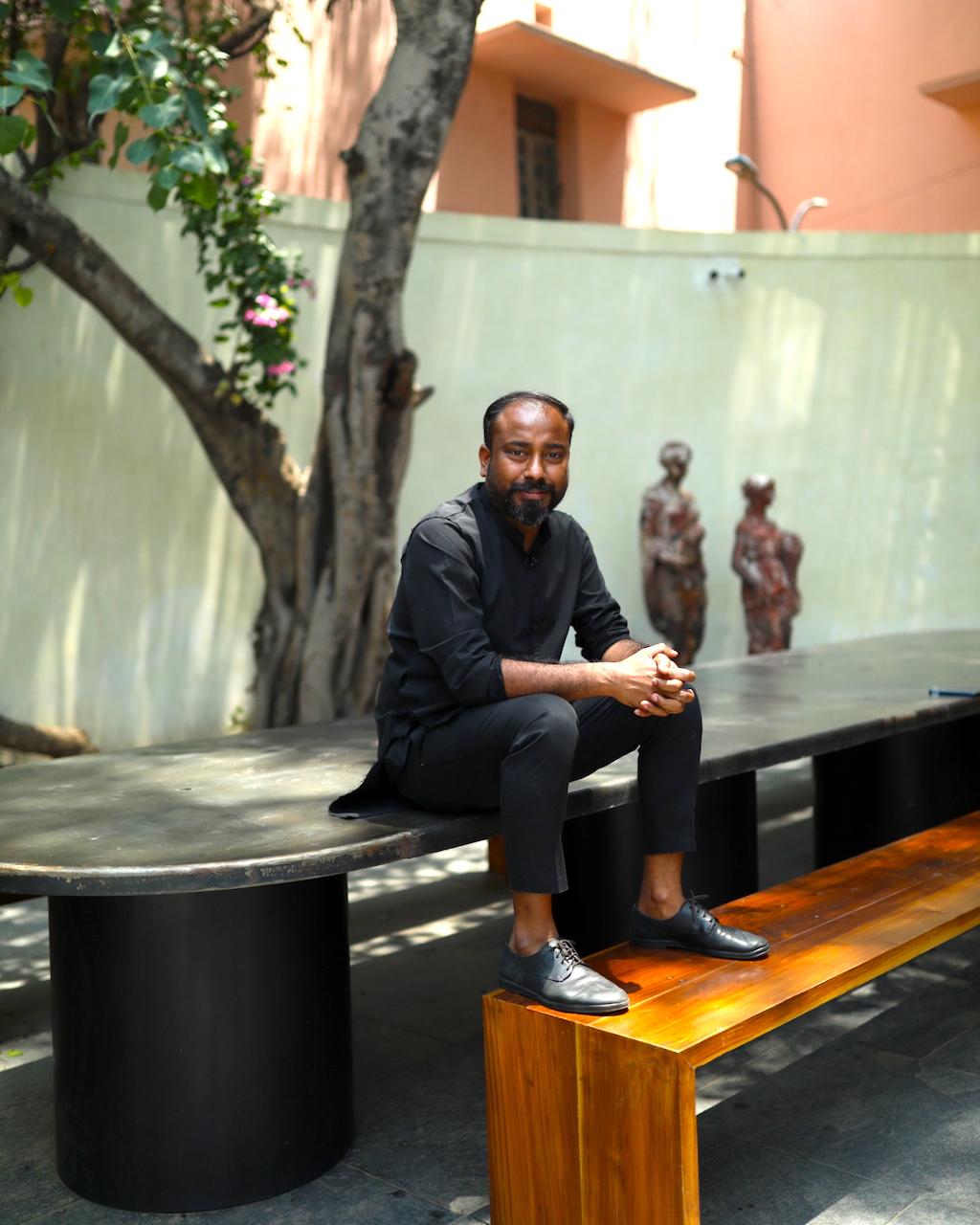
Designer Raul Rai
Designer Raul Rai offers an ode to tropical modernism
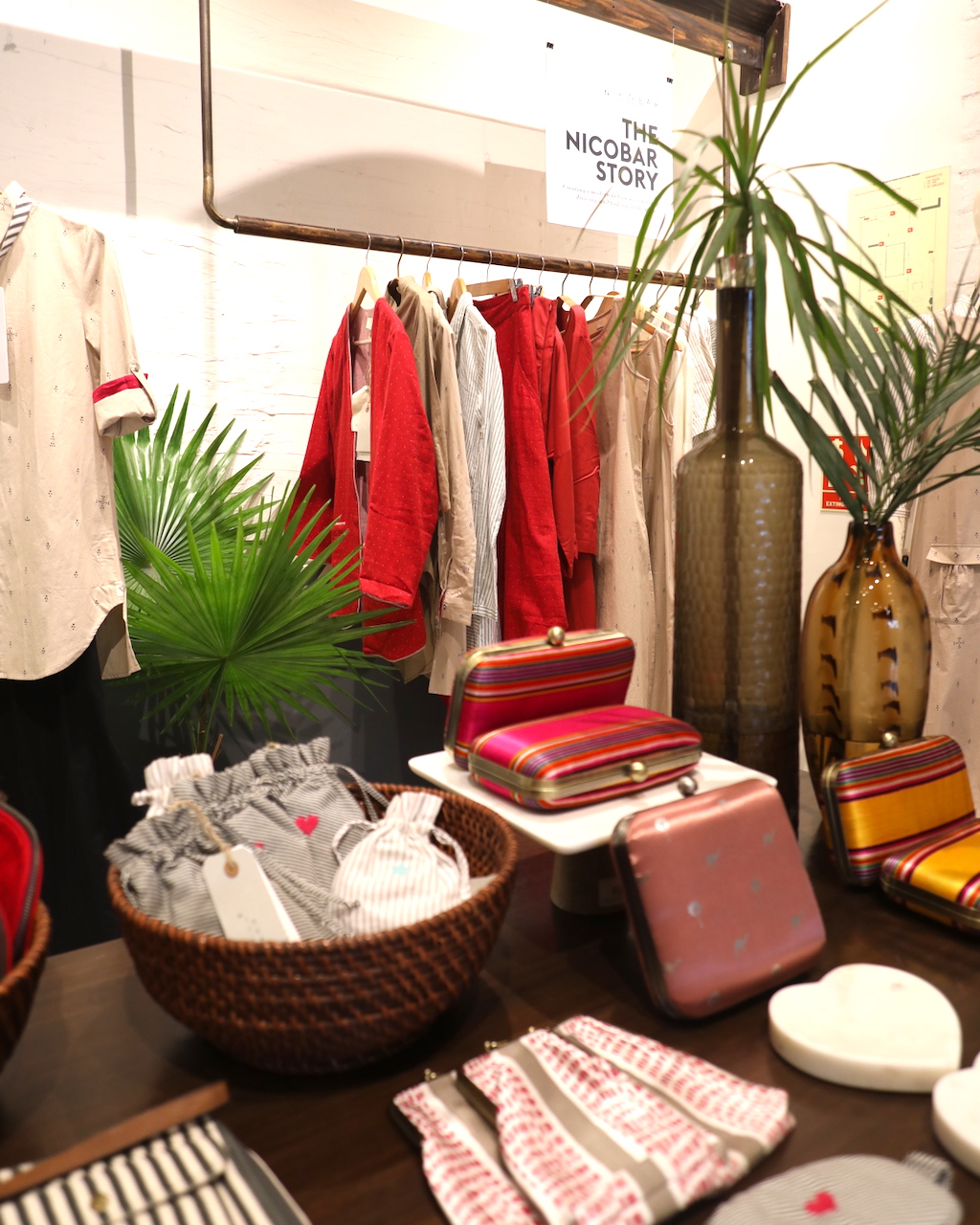
Perched atop The Chanakya, a high-end indoor market adjacent to the architecturally rich Lutyens’ Delhi, Nicobar’s frond-filled interiors are an ode to Tropical Modernism. Muslin tunics and organic bamboo fibre knits swing from driftwood beams. Wood and brass spice boxes, earthy ceramics and clay kulhads for serving chai channel a rustic vibe. At in-store café NicoCaara, baristas whip up chai lattes while barkeeps pour sangria margaritas.
Launched in 2016 by Raul Rai and his wife Simran Lal, Nicobar delivers timeless silhouettes that work equally well on the beach and in the city. But through its in-store experiences, it does much more than that.
Nicobar also takes international orders
“In India, questioning lifestyle and the state of being was unheard of five or 10 years ago, but this drives how we think about our space, our design process and our story,” explains Rai. “The dot-com boom occurred 10 years ago [in India], and millennials are looking for new ways to think and create an impact. Our business model takes all this into account.”
The store layout is inspired by a haveli, a traditional Indian house arranged around a central garden. This design facilitates the movement of people as well as the myriad of cultural experiences on offer here. Shoppers picking up a linen pinstripe kurta (tunic) or organic cotton trousers may discover a Nico Talk, a monthly series covering topics such as mindful eating and recycling (the brand recently eliminated all plastic from its shipping and packaging). A recent pop-up here bringing together iconic motorcycle maker Royal Enfield, Goa-based start-up gin Greater Than and natural skincare line Ayca drew in nearly 1,200 people.
These touches underscore Nicobar’s commitment to bringing more value to retail. “Buying for buying’s sake isn’t satisfying and it’s not responsible,” Rai says. “Markets provide a natural arena for cultural discourse. Today, these conversations are deeper and cover fashion, wellness, entertainment, you name it. Our design vocabulary responds to this and takes it further.”
Designer Sanjay Garg
Designer Sanjay Garg’s fresh and modern take on the sari
Delhi-based designer Sanjay Garg is known for marching to his own drum. While other designers explore non-traditional silhouettes, Garg’s label Raw Mango hones in on India’s most iconic garment by updating traditional weaves and patterns – using age-old fabrics like jamdani but tweaking colour and motifs, for example – keeping the sari fresh and modern.
“Blouses, petticoats, the patterns and colours were all frozen in time,” Garg says when explaining why saris came to be seen as dated. According to him, this stagnation is symptomatic of a larger issue: Indian design in general languished during the colonial and post-colonial periods. “Four hundred years ago, Delhi had a robust aesthetic language. The Mughal Empire was on a par with Versailles,” he continues. “The west continued to evolve, but the role of designers in India was negligible after the British arrived. Now, [over 70] years after independence, [the concept of design] is being revived.”
The standard perception is that the sari – in essence, a single long piece of fabric – can be worn only one way and on specific occasions. Garg tosses those rules aside, pointing to a younger generation who are hitching up the hems of their saris to the calf and pairing them with boots or trainers.
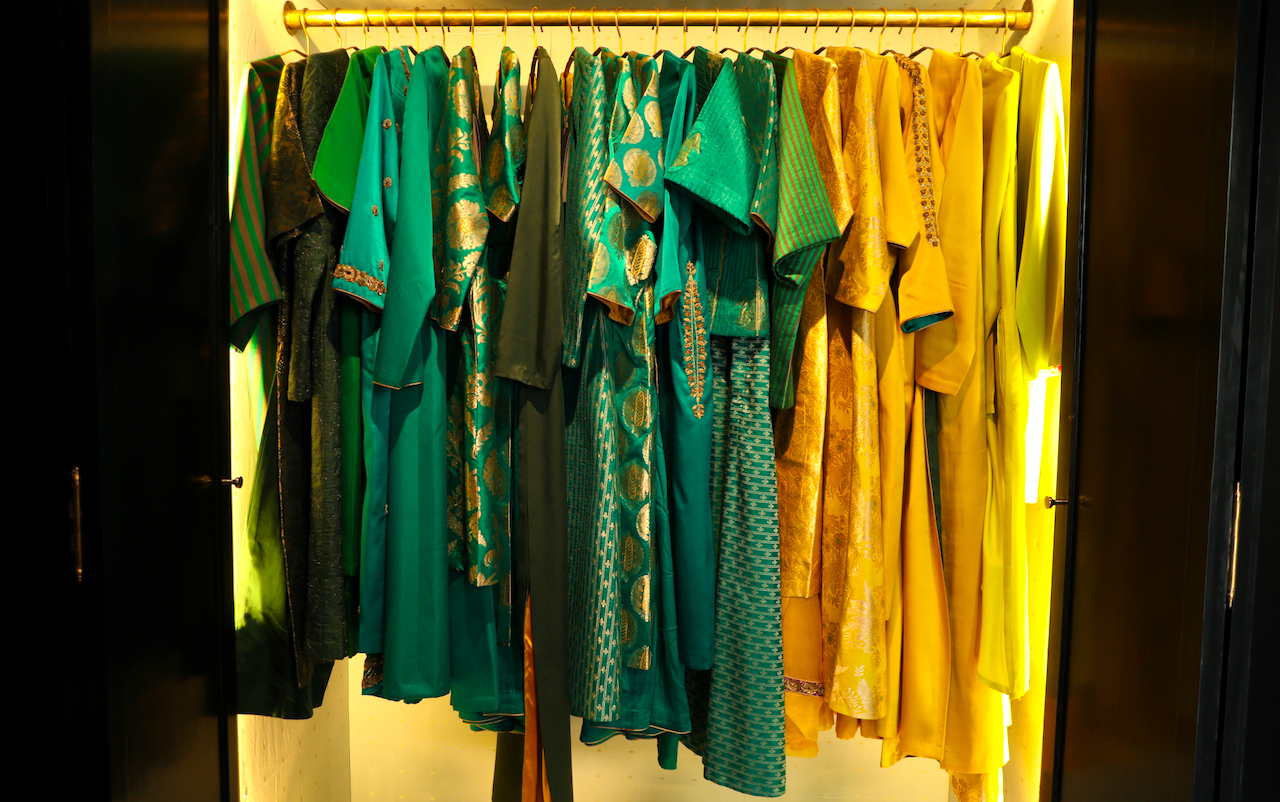
Modern saris at Raw Mango
In April 2019, Garg opened a second outpost in the heart of the city, adjacent to Lodhi Colony Market, a petit promenade of whitewashed storefronts housing hip and traditional shops and eateries in the heart of one of Delhi’s poshest districts.
“Clothing, like anything else in India, is tied up with caste, religion, identity… it’s been like that for years”
Unlike typically frenzied sari stores, Garg’s spot is like a Zen retreat amidst the bustle. A discreet arched entryway leads down a tree-lined walk and ends in an all-white sanctuary surrounded with shade-filled courtyards. Inside, Garg’s dreamy saris, tunics and lenghas (long skirts) are tucked inside sleek cupboards and traditional armoires reminiscent of private dressing rooms.
“Clothing, like anything else in India, is tied up with caste, religion, identity,” Garg explains. “It’s been like that for years. Only now are we seeing individuality… and community come into play. That’s exciting.”
Designer Ruchika Sachdeva
Designer Ruchika Sachdeva creates a modern Indian wardrobe
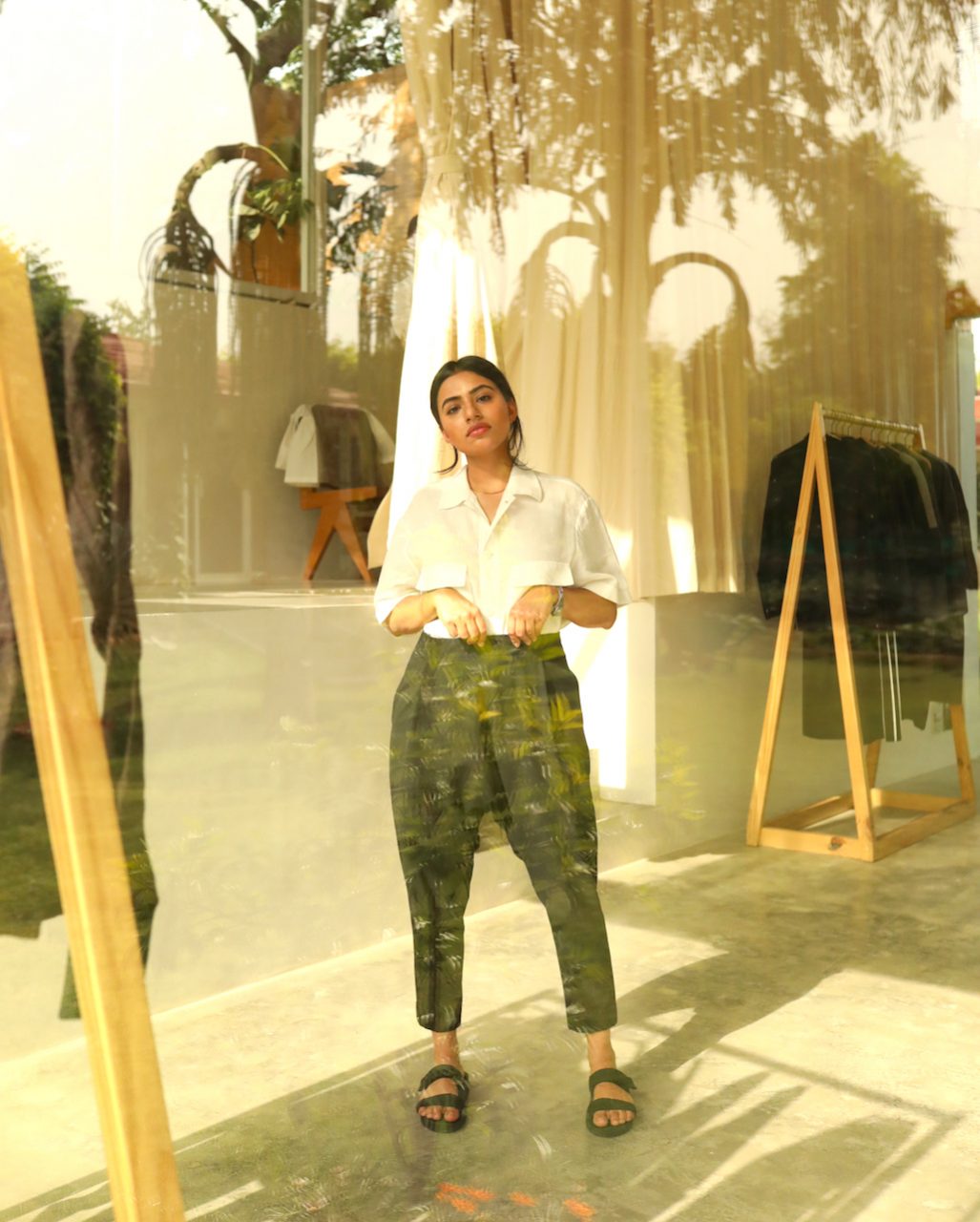
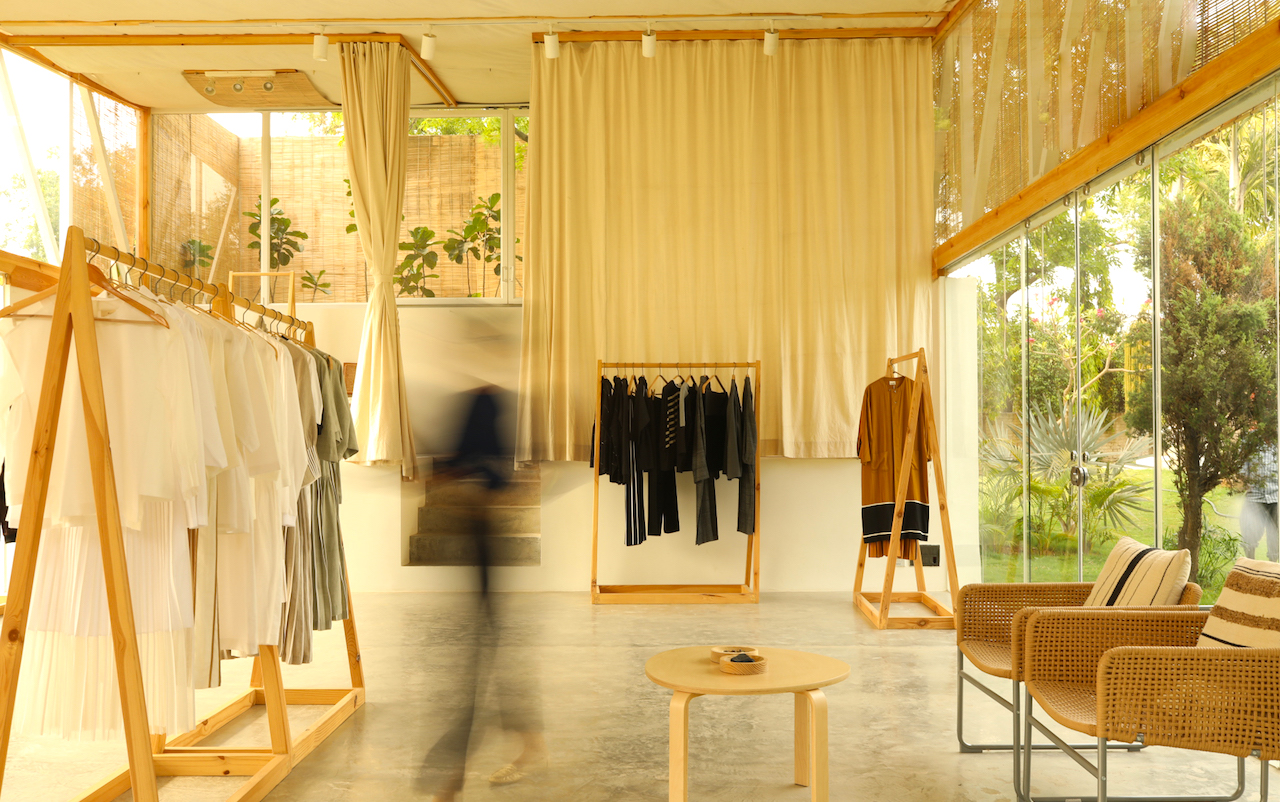
Fashion designer Ruchika Sachdeva’s label Bodice occupies an upscale address in Vasant Kunj. The lush, tree-lined lawn at Bodice’s farmhouse contains a glass-walled shop, where Sachdeva’s meticulously tailored collections float like ethereal art pieces.
The main house is where patternmakers, tailors and Sachdeva’s energetic assistants carry out her vision for the modern Indian wardrobe: structured tops, skirts, trousers and dresses with trim waists and sharp silhouettes cut from materials such as cotton, linen and all-season wool.
Bodice Studio features trendy and modern outfits
Bodice started out as a tiny studio space deep in the cacophonous warrens of the now-trendy Hauz Khas Village just over 10km away. “It was good to start out there,” the effervescent designer remembers. “Rents were cheap, the vibe was edgy. But it became commercial really fast.”
Dressed simply in a sand-coloured T-shirt and matching culottes, the 30-year-old designer explains how a younger generation of Delhiites is increasingly “fed up with” the pressure to dress to impress or follow Bollywood style fads. “There’s a shift towards cultivating individual style,” she says.
She is chatting to a Finnish banker, a regular client who is picking up a few new pieces, when she has to field a call from the organiser of a Sofar Sounds gig happening at Bodice that evening.“This event brings music, fashion and a cross-section of people together,” says Sachdeva, who gained global recognition when she won the prestigious 2017/18 Woolmark Prize (womenswear) for rising designers. “I would never have been able to do this in my former space.”
Designer Gautam Sinha
Designer Gautam Sinha focuses on detail-oriented craftsmanship
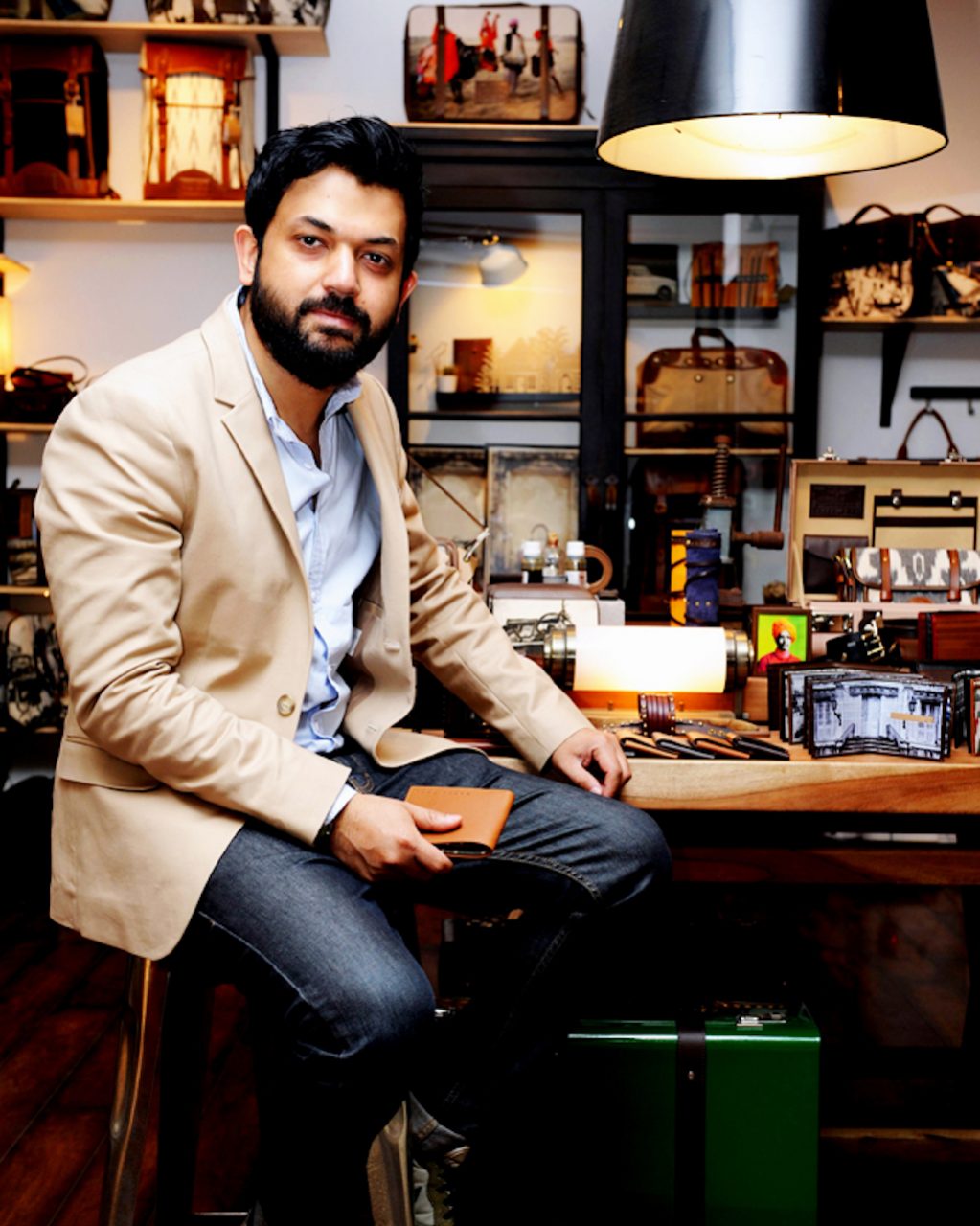
In late 2017, Central Saint Martins, London, graduate Gautam Sinha scoped out the abandoned industrial warehouses at Dhan Mill Compound for his leather craft label Nappa Dori. Located 14km from the city centre in the southern suburbs and admittedly “not on the way to anything”, it was a risky choice for his flagship.
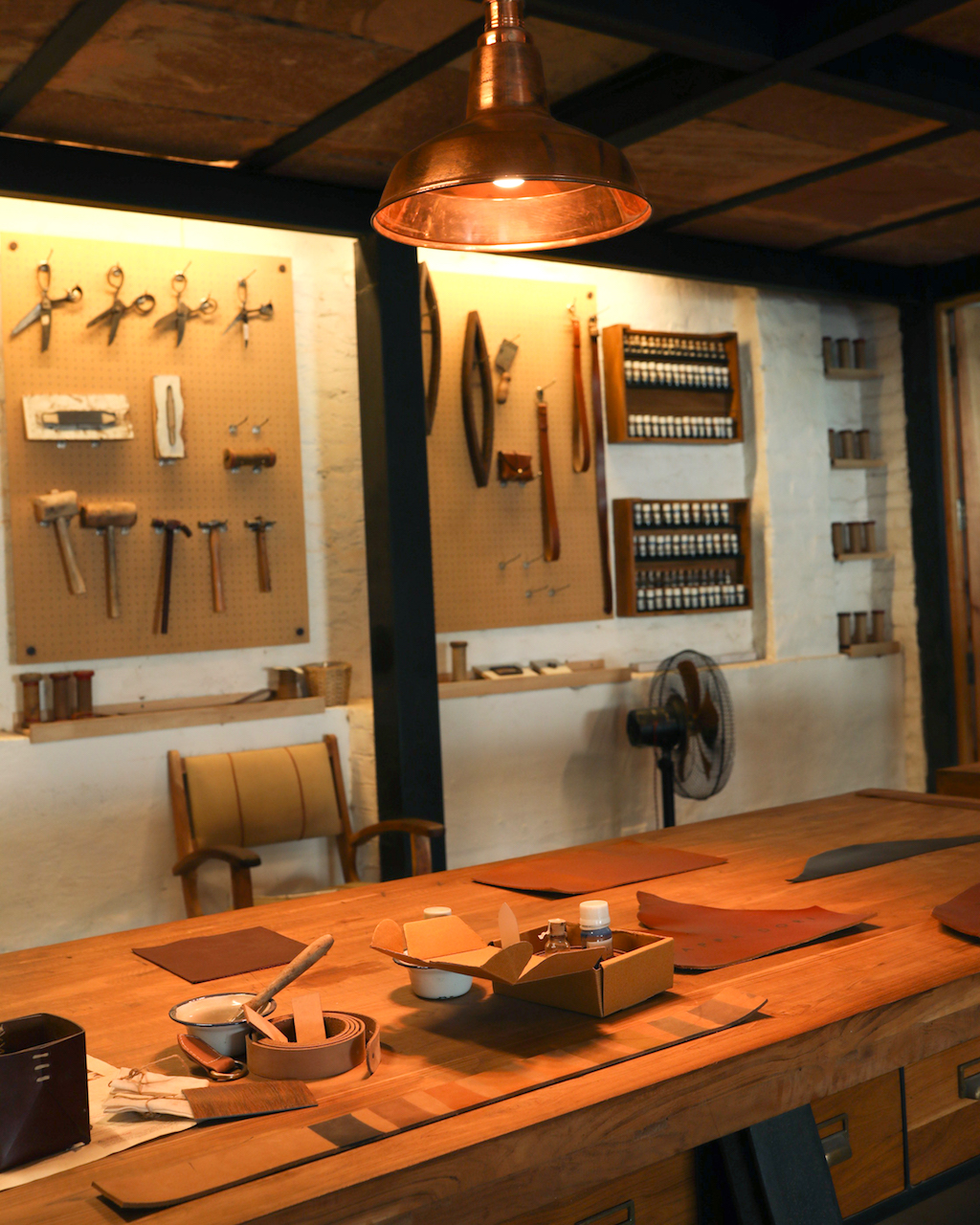
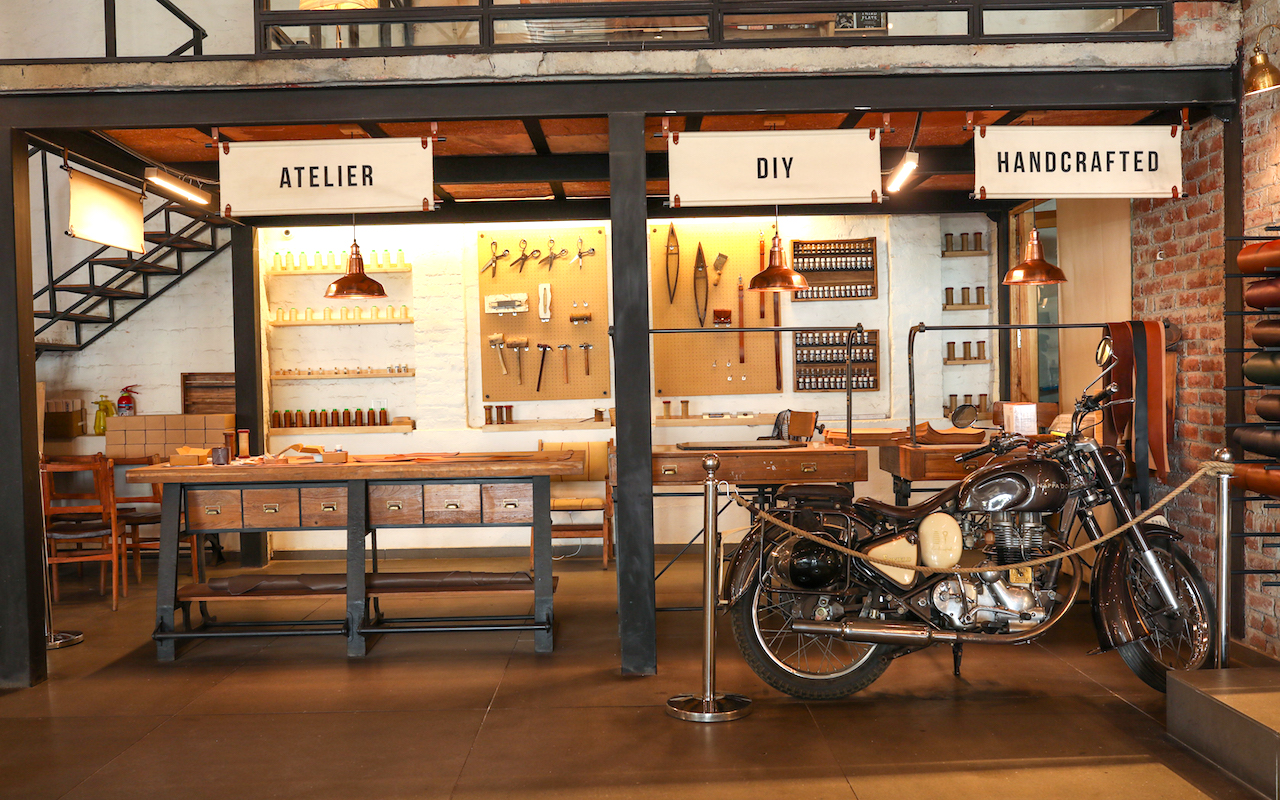
But he jumped in anyway, transforming one of the warehouses into a loft-like creative space with soaring ceilings and spacious displays for his handcrafted leather trunks, buttery soft handbags, screen-printed satchels and sporty leather footwear. An in-house atelier provides room for artisans to cut and sew modern leather accoutrements and acts as a classroom for DIY belt-making workshops using traditional tools and craftsmanship.
Nappa Dori blends both Indian and western style into their clothes
At the in-house Café Dori, Maneet Bedi – the brand’s designer and operations manager – discusses Nappa Dori’s evolution over a fresh lime soda, all while keeping an eye on the brisk lunch crowd as they dive into the eatery’s signature flatbreads and house-made pasta dishes.
“Design [as concept and lifestyle] is a relatively new idea here,” says the soft-spoken 24-year-old Bedi, a creative ingénue who helped Sinha appeal to Delhi’s upwardly mobile millennial shopper. “And not everyone gets it. We wanted to create the [city’s] first retail concept store… where Delhiites [can] explore retail in a different light.” Bedi cites Nappa Dori’s frequent design and lifestyle pop-ups that spotlight new labels and art as one way they’ve tried to loosen the lofty conceptual underpinnings of design to make it more approachable.
Nappa Dori is famed for their leather style
Other designers in the area have since followed Sinha’s lead. Dhan Mill Compound’s former industrial bodegas now house creative spaces, including OddBird Theatre, an independent theatre; Claymen, a ceramic studio; and Motherland, an art and design publishing house, to name a few.
By stepping outside conventional market spaces, Sinha inadvertently jump-started a new type of marketplace, one that hinges on incubating creativity and connections in unexpected places.
Please check the establishments’ respective websites for opening hours as well as booking requirements before visiting, and remember to adhere to safe-distancing measures while out and about.
The information is accurate as of press time. For the latest travel advisory updates, please refer to the Ministry of Foreign Affairs’ website.