Posts, pics, video and motivation on Travel Lifestyle, countries around the world! Addicted to adventure travel and photography, I'm on a mission to inspire your next journey with entertaining stories, beautiful images, fun travel videos, and useful tips.
Thai jewellery brand RAVIPA has been recognised with a prestigious Design Excellence Award and is popular among locals for everyday adornments. Their flagship store at the glittering CentralWorld supermall is reflective of the brand’s design ethos, with its sleek and inviting interiors filled with a dazzling collection of elegant rings, bangles and necklaces. Their mini silver charms feature colourful gemstones like amethyst, cherry quartz and sky blue topaz and can be worn as necklaces or bracelets. Wedding bells around the corner? The bridal collection comprises statement-making engagement rings, as well as matching his-and-her wedding bands with yellow and white gold finishes. RAVIPA also works with international brands on colourful collaborations. Their recent Disney one features lucky charms resembling some of the most popular characters.
This architectural and horticultural masterpiece is an unmistakable icon of the Singapore skyline. Start your adventure with a misty stroll through the temperature-controlled Cloud Forest, complete with a 30-metre waterfall and walkways offering awe-inspiring views. Be dazzled by the diverse plants from all corners of the globe at Flower Dome, the largest greenhouse in the world. Catch the ever-changing seasonal display, which in the past has featured roses, sakura, tulips and other delights. Explore Floral Fantasy’s four garden landscapes and embark on a 4D ride with a dragonfly. Savour gourmet dining before catching Supertree Grove’s enchanting Garden Rhapsody light and sound show after sunset.
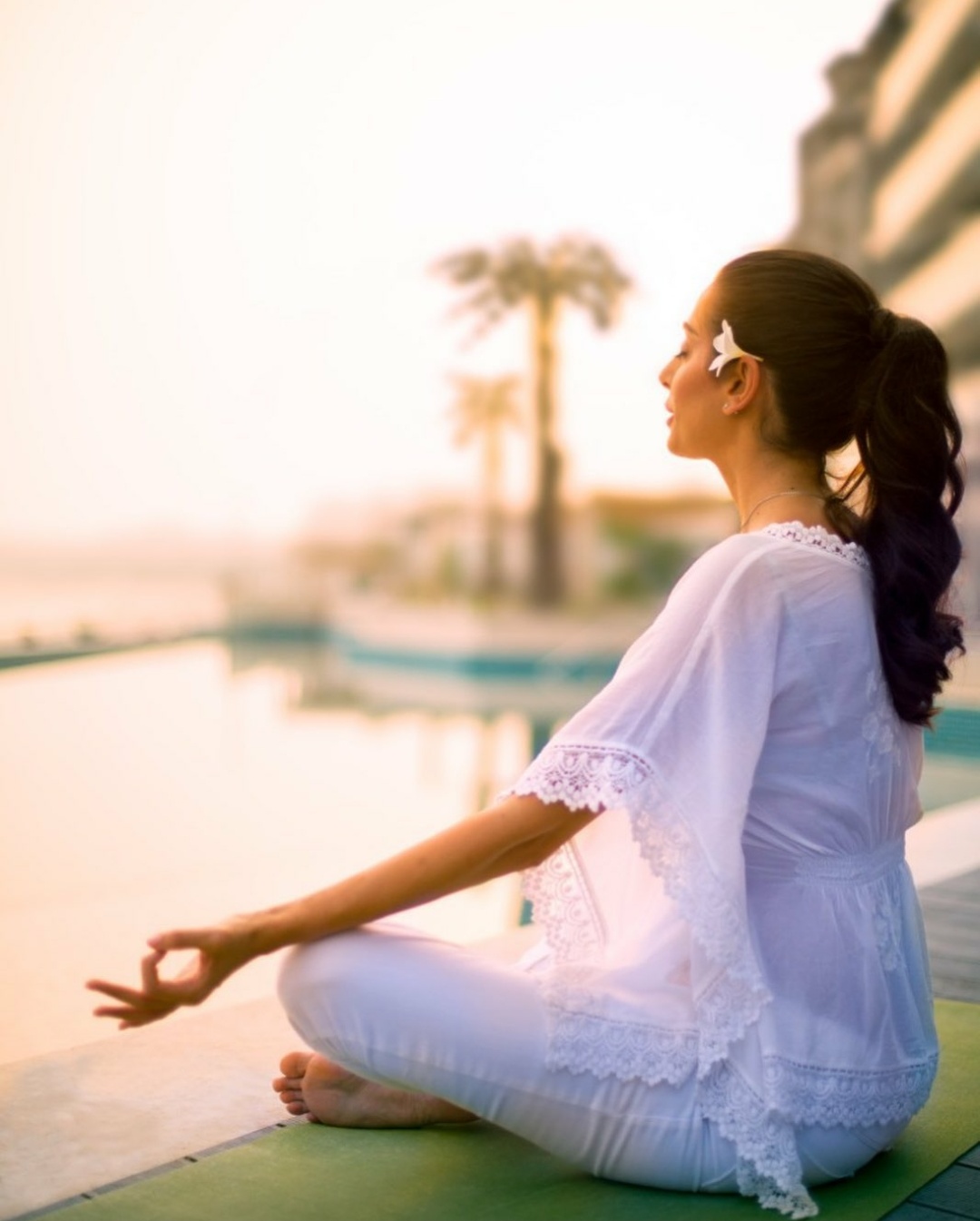
Wellness travel is here to stay. Whether you’re a corporate executive suffering from burnout, or a parent in desperate need of me-time, travelling to focus on mental and physical wellness is a fast-growing trend. And we don’t mean 10-day lock-ins in austere cabins. Some of the biggest luxury hospitality brands in the world are offering flexible, personalised therapies, events and packages for those who wish to practise self-care without sacrificing comfort and style. Here are seven luxury resorts and retreats to book for your next wellness retreat.
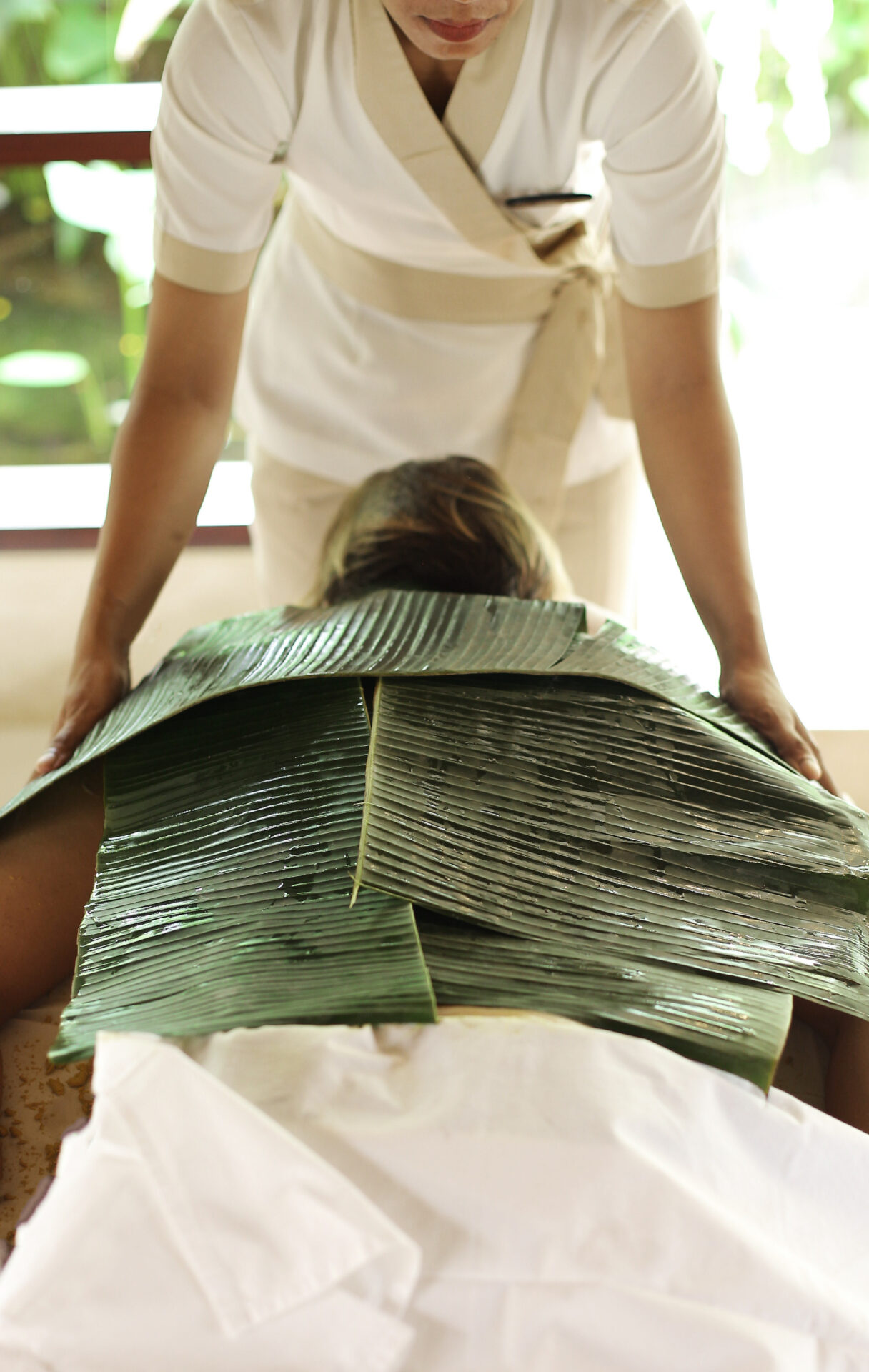
Nestled amid three hectares of teak tree forest in the breezy hillsides of Nusa Dua, Bali, REVIVO Bali offers an immersive Mindfulness and Emotional Balance retreat that incorporates aspects of Ayurvedic and Chinese healing practices for supporting both mind and body. This programme marries mindfulness practices and rituals with energetic therapies such as chakra clearing and reiki, in a tailored experience that includes a comprehensive arrival consultation and personalised retreat journal.
REVIVO Bali is a 30-minute drive from Bali Ngurah Rai International Airport.
Relax with traditional herbal spa treatments that support your inward journey. Photo: REVIVO Bali
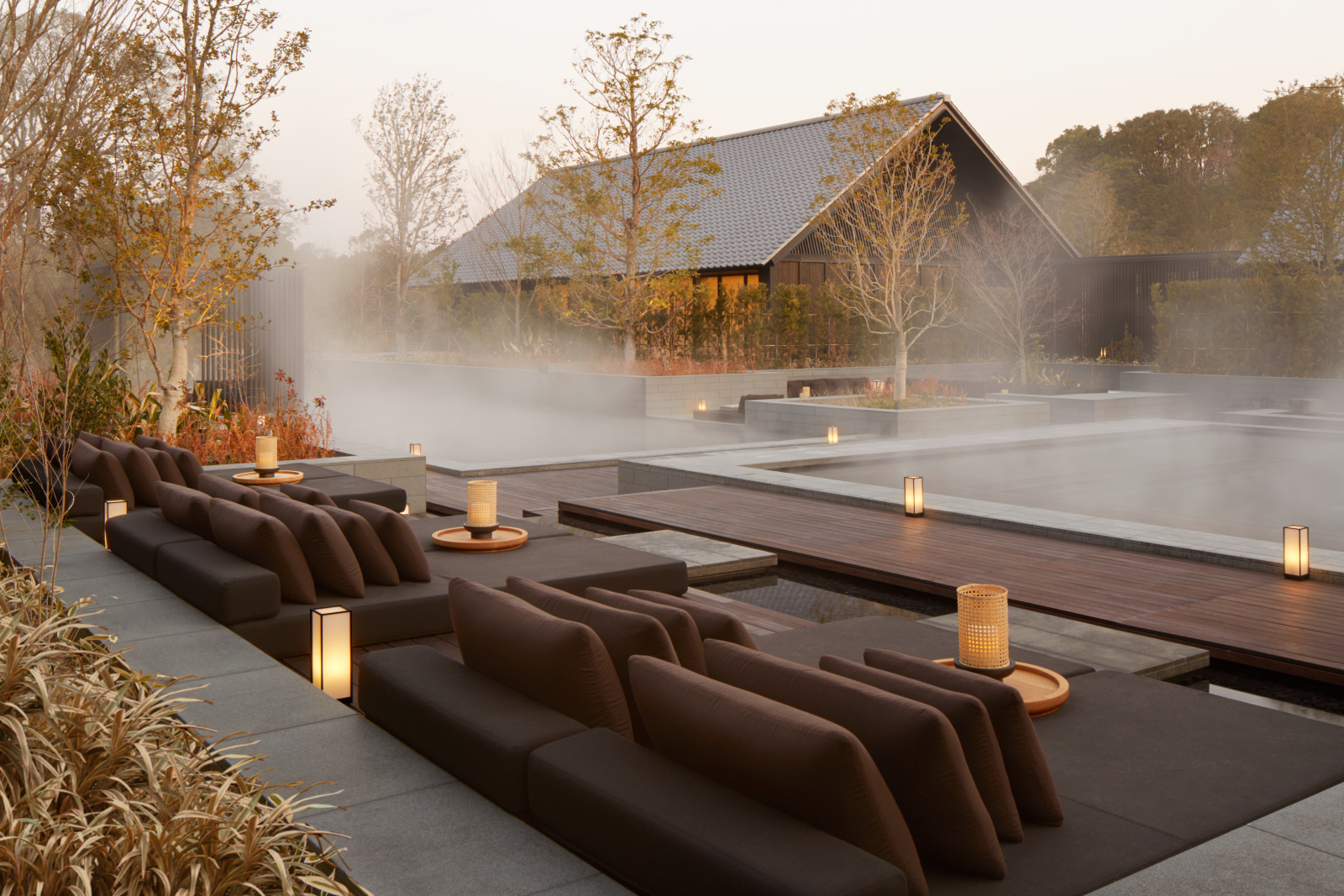
Escape into the forested hills of Ise-Shima, where the ryokan-inspired onsen resort of Amanemu overlooks the serene Ago Bay. Here, guests can practise mindfulness with zazen sessions while enjoying peaceful soaks in the onsen fed by mineral-rich hot springs. Wellness consultations upon arrival and departure provide personalised insights, while therapeutic activities such as yoga and healing herbal massages are offered daily. Complete the experience by following in the footsteps of the age-old pilgrims: take a mindful trek to Ise Jingu grand shrine, Japan’s holiest site.
Amanemu is a 2.5 hour drive from Nagoya Chubu Centrair International Airport.
Take a meditative bath in the mineral-rich waters of Amanemu’s onsens. Photo: Amanemu
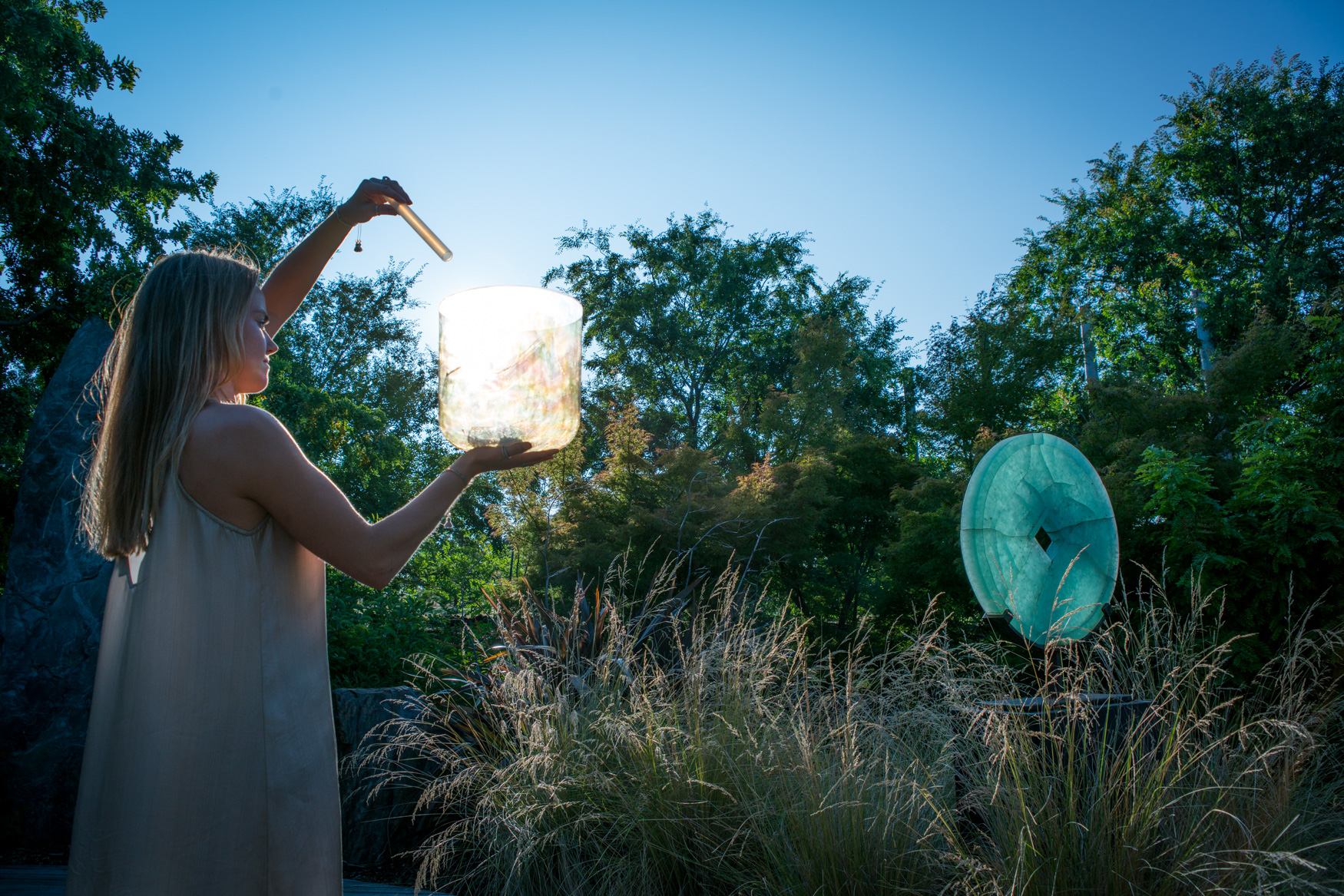
Healing waters rise out of a volcanic basin 450 million years old in this mineral spa region where Samadhi Retreat sits. Once regarded as a sacred place for aboriginal nations, guests may now enjoy its restorative effects via a range of mindfulness and energy balancing programmes. The retreat organises a range of wellness talks to support its visitors in making tangible changes to their daily lives, on topics ranging from emotional self-regulation to building community.
Samadhi Retreat is a one-hour drive from Melbourne Airport.
Sound meditations with crystal bowls help quieten the mind. Photo: Samadhi Retreat
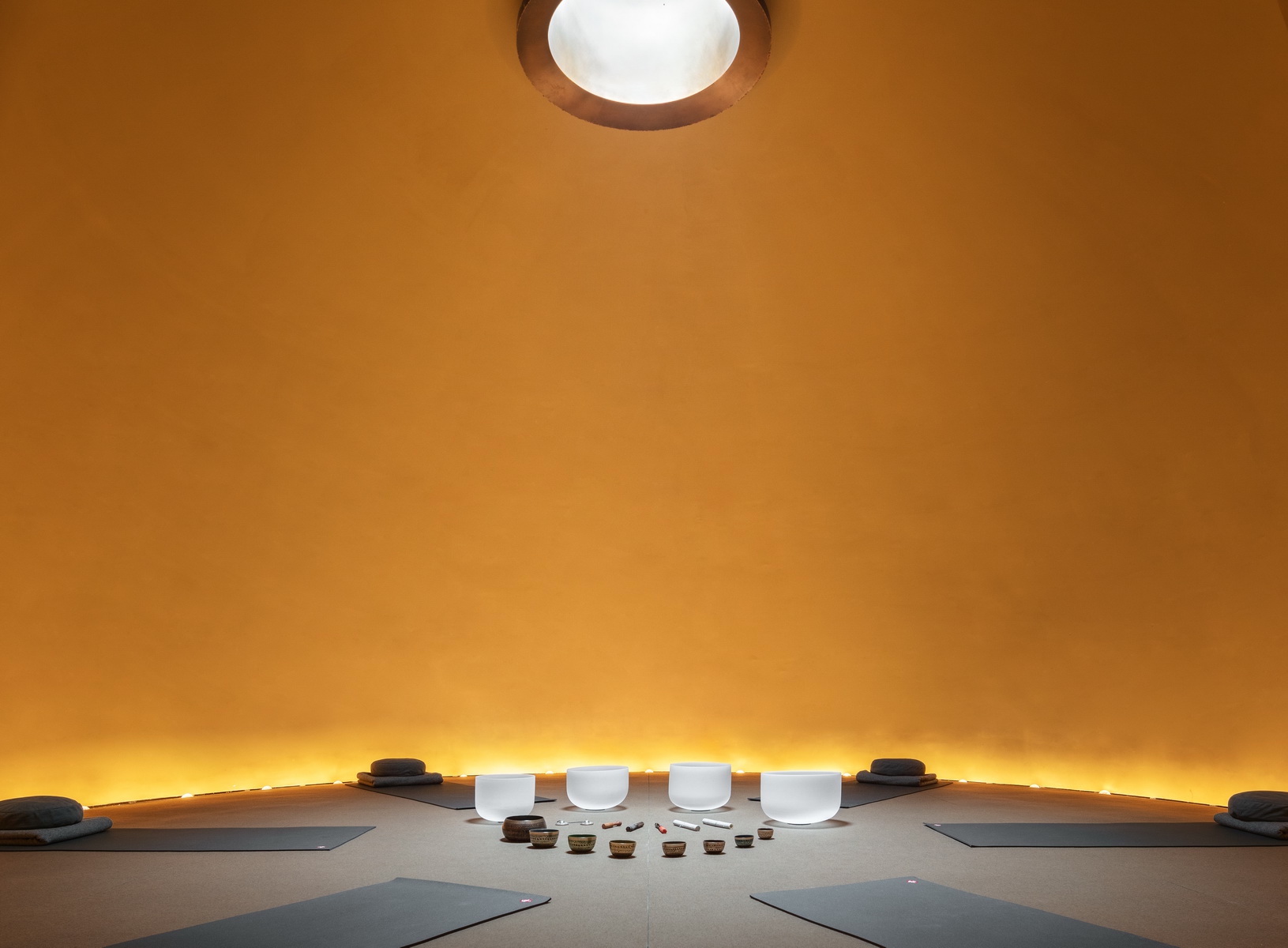
Perched on the serene Yangcheng Lake, the rooms at Sangha Retreat feature quartz crystal mandalas and curved ceilings that are said to help with quieting one’s mind and enhancing energetic alignment. Sangha’s pride is its meditation dome, which is built for acoustic precision and rimmed with quartz crystals – all the better for guests to go deep into meditation during sound healing sessions. At their ONE Clinic, opt for a customised wellness plan for each of six main habits of life: eating, breathing, sleeping, movement, thinking and awareness.
Sangha Retreat is a 90-minute drive from Shanghai Pudong International Airport.
Sangha Retreat’s special dome is rimmed with quartz crystals. Photo: Sangha Retreat
For long meditative walks in the English countryside
One might not expect to find a Mongolian yurt at the heart of a luxury countryside farmhouse, but this is what guests can look forward to at this retreat nestled in a secluded Somerset valley. Intersperse your meditative and yogic practices with walks through nature, or go wild swimming in a nearby lake. Meals are nutritionally-aligned and prepared by private chefs using fresh local produce. End each day with a gathering around the evening bonfire to get to know your fellow travellers.
Our Retreat is a 2 hour drive from London Heathrow airport.
Earning its stripes as Dubai’s first five-star family-friendly wellness resort, The Retreat Palm Dubai boasts an all-inclusive 24-hour wellness retreat that includes group breathwork and meditation sessions, oxygen relaxation sessions and hourly juice shots. A welcome ritual of aroma and colour therapy introduces that personal touch from the get-go. Parents will be glad to know that the hotel offers a selection of child-friendly amenities and activities, including fully-supervised kids entertainment programmes and play areas.
The Retreat Palm Dubai is a 30-minute drive from Dubai International Airport.
For those looking for a more involved meditative experience without sacrificing comfort, Assisi Retreats combines thrice-daily meditations with gentle mindful walks to local sacred sites in this medieval town just a couple hours’ drive from Rome. Guests are housed in a charming, family-run hilltop hotel, connected by a secret gate to the retreat centre for an uninterrupted inward experience. Yet Piazza del Comune, the town’s centre, is just a stone’s throw away replete with restaurants and cafes for when one begins to crave some social buzz.
Assisi Retreats is a two-hour drive from Rome Fiumicino airport.
To learn more about Singapore Airlines’ flight service to these respective destinations, visitthe official website.
Singapore’s rich culinary heritage is one its most iconic characteristics, whether it’s the beloved hawker fare, renowned cocktail bars or its astounding number of Michelin-starred restaurants (52 restaurants with a total of 65 stars). It’s little wonder that Singaporean restaurant chains such as Wee Nam Kee, Song Fa Bak Kut Teh and Old Chang Kee, have thriving outposts in destinations as far-flung as Japan, Australia and the UK. In fact, the recent Urban Hawker eatery in New York City has proven so popular that its Singaporean hawkers have plans to take their outlets across America.
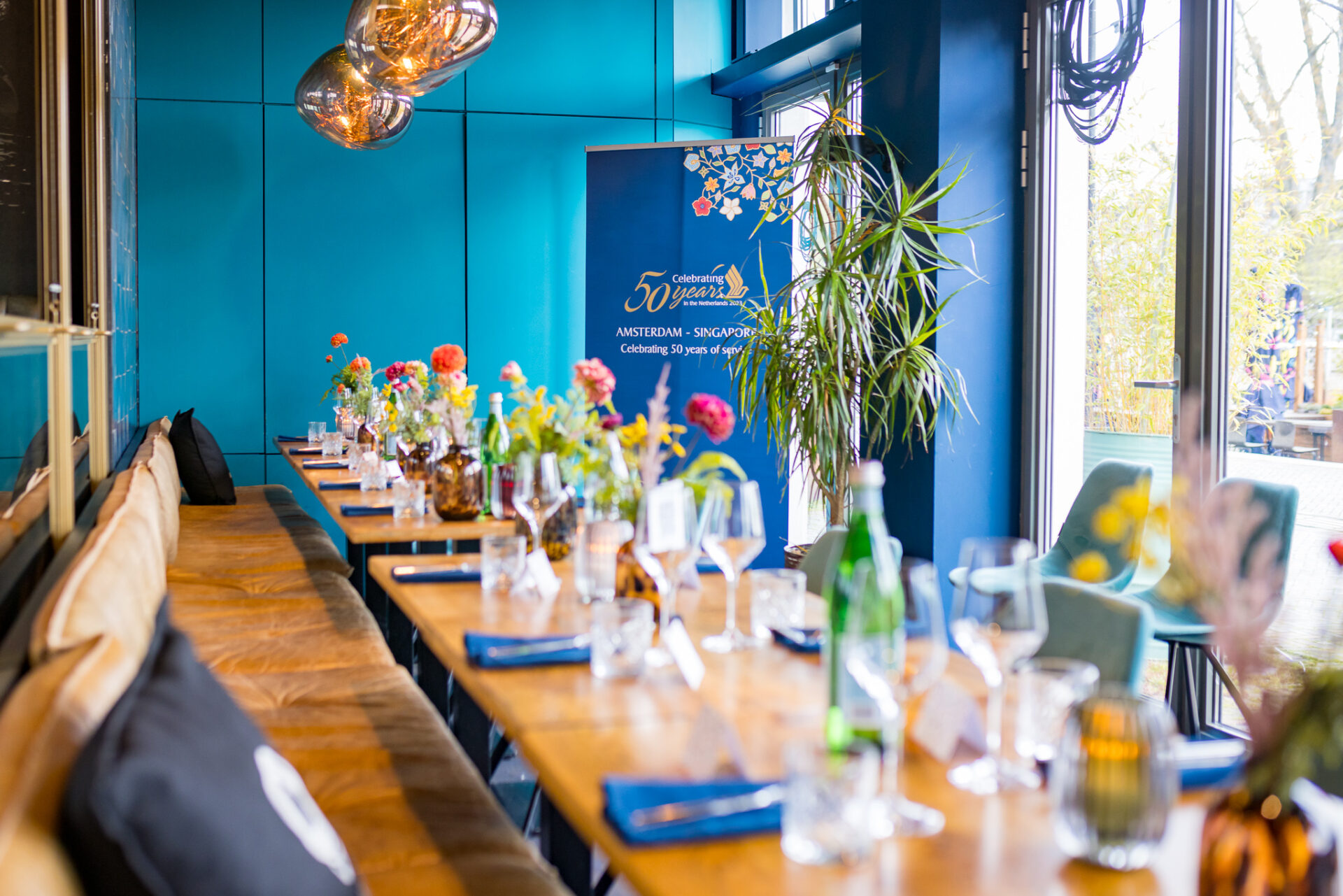
Over in Europe, the newest city to get a taste of Singapore’s cuisine is Amsterdam, thanks to an adventurous waterside restaurant calledNOMADS. Located in the Winkelcentrum shopping district on the east side of town, NOMADS is known for its “travelling menu” experience which changes every six to nine months to feature cuisines from different parts of the world. Most recently, they’ve presented the flavours of India, Mexico and Portugal – so a deep-dive into Southeast Asian flavours is hotly anticipated. While Amsterdam has a vibrant Asian dining scene, including Bib Gourmand-recommended restaurants such as A-Fusion, NOMADS is one of the few establishments that’s placed a singular emphasis on Singaporean cuisine.
The collaboration between SIA and NOMADS sees some of Singapore’s favourite dishes make their debut in Amsterdam. Photo: Michiel Ton
To bring Singaporean flavours and ingredients to Amsterdam, NOMADS owners Jaap Kin and Thomas Mutsaers teamed up withSingapore Airlinesand the Singapore Tourism Board and travelled to the Lion City. There, they had the opportunity to wander local markets and cook with Singaporean chefs to gain inspiration for the restaurant’s next culinary adventure. Their latest menu features a variety of Singaporean favourites that are reimagined for a European palate while remaining anchored to the original spirit of the dish.
“Singapore always had something mysterious for us; the country has only been around for200 years and is known as ‘the melting pot’ of Asia,” says Kin. “[On this] amazing culinary trip to Singapore…we were able to truly experience the country’s diverse, tasty and much-discussed cuisine, as well as its culture. We will gladly take our guests on this wonderfuljourney through our menu in the coming months.”
Here are three innovative takes on Singaporean classics to try when you’re in Amsterdam.
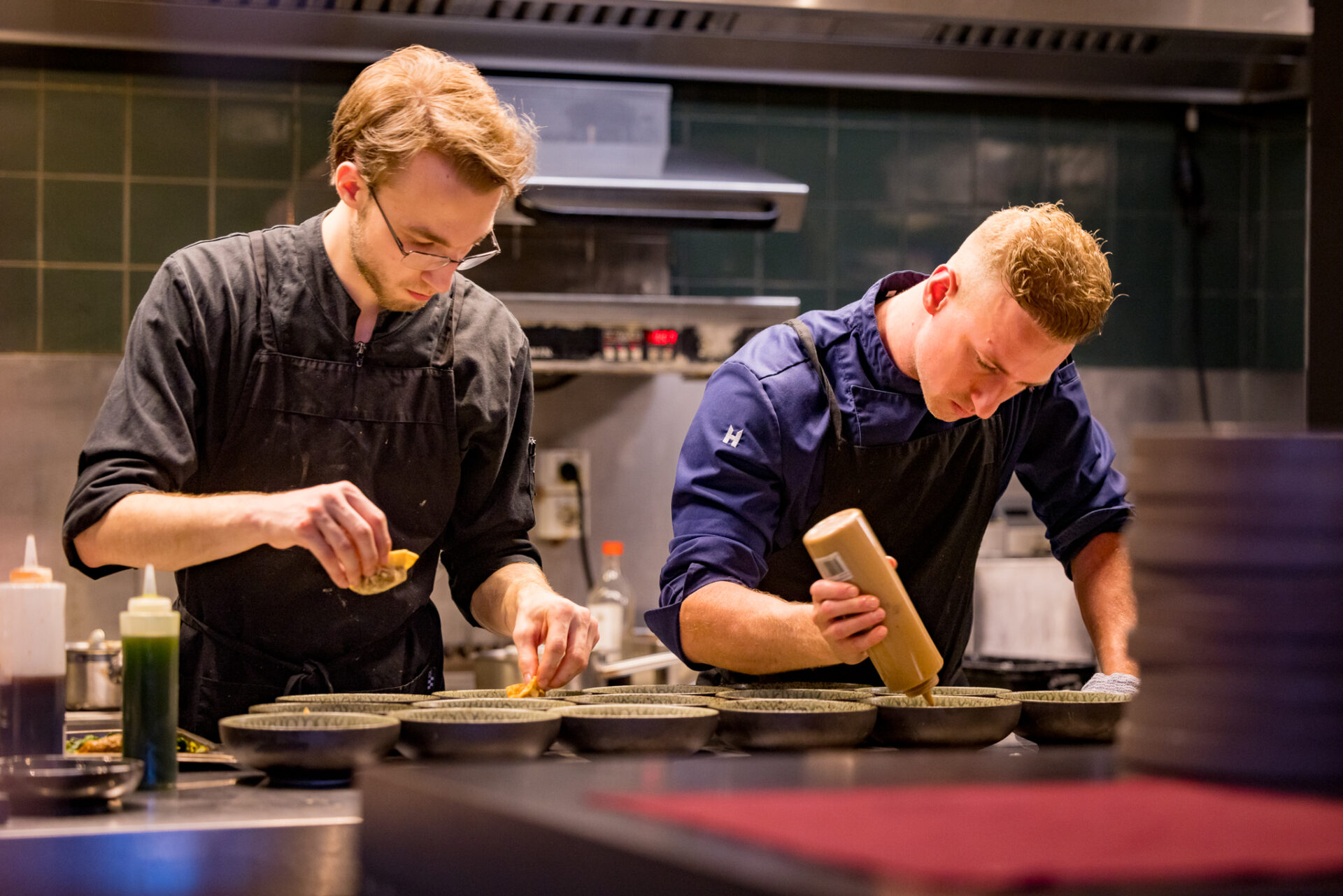
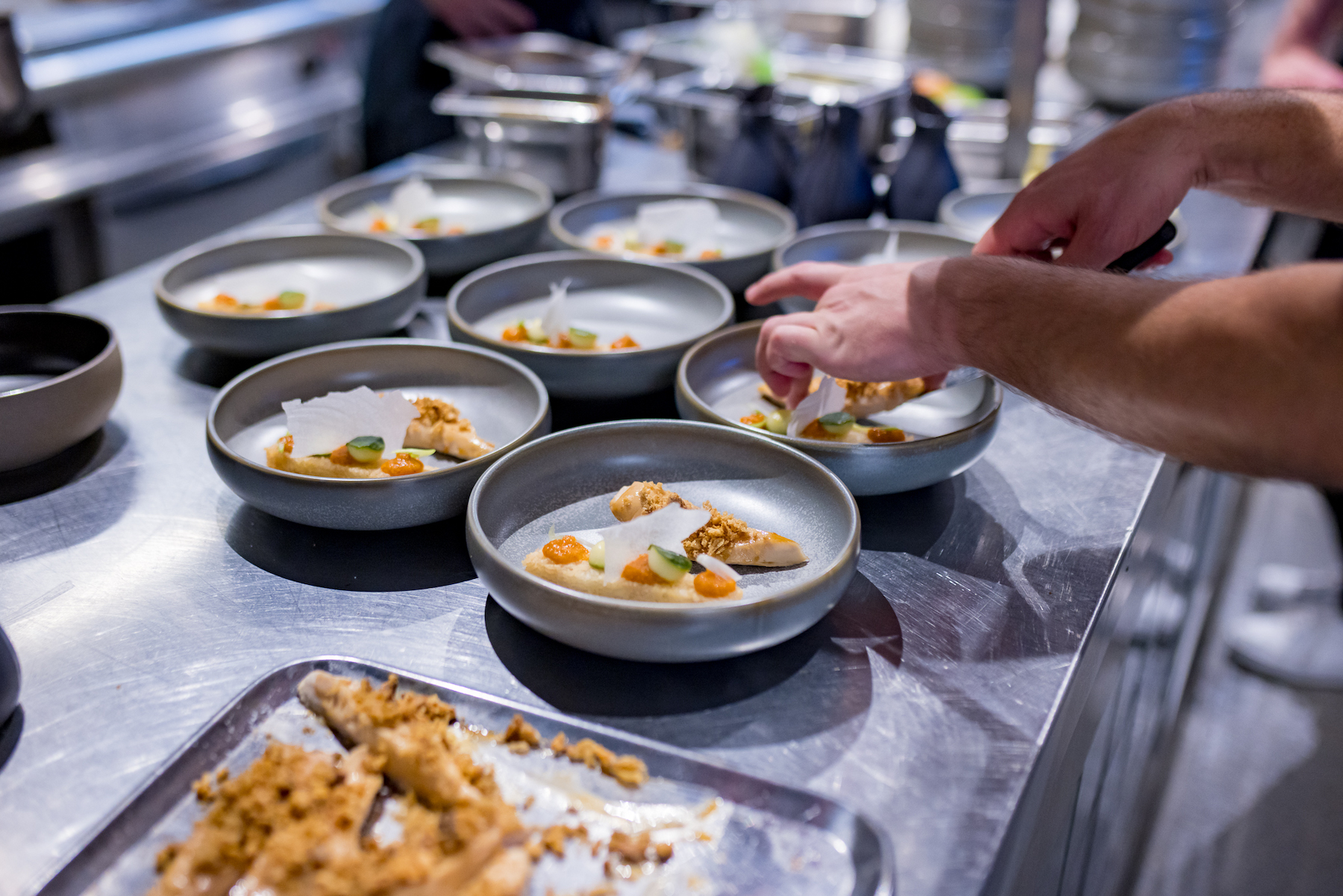
The staff at NOMADS fully immersed themselves in Singapore’s dining scene to create their own renditions of iconic dishes. Photo: Michiel Ton
A delicate take on chilli crab
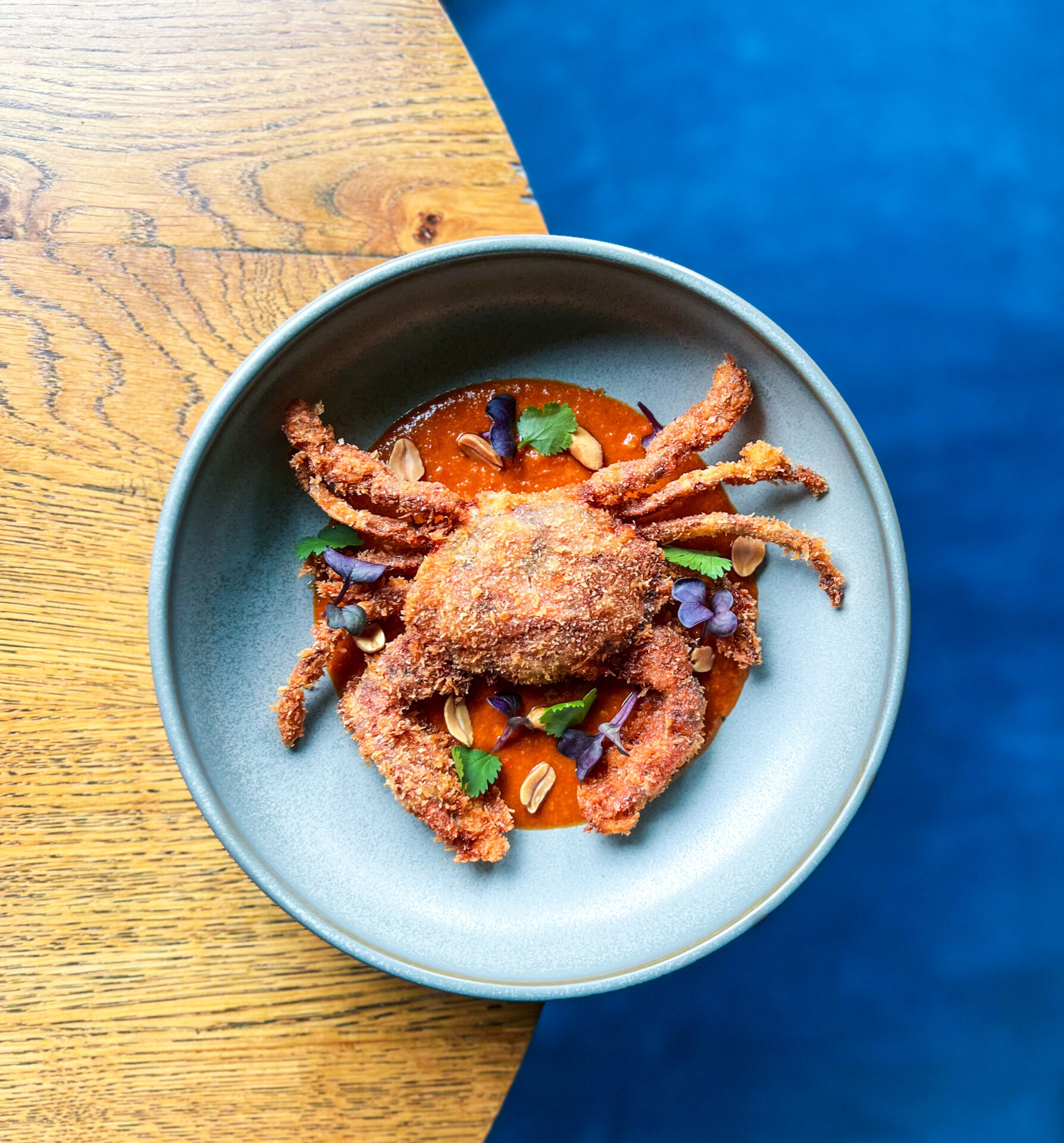
When it comes to Singapore’s most iconic dishes, chilli crab is often the one that comes to mind. Unlike chicken rice and laksa, chilli crab is more of a celebratory dish, usually enjoyed during special occasions. It’s a messy affair where utensils (save for a nutcracker) are abandoned to allow diners to get at every last morsel of sauce-drenched crab. An essential accompaniment to the dish is crispy friedmantous(small fried pieces of steamed dim sum buns), best eaten when piping hot.
NOMADS’ rendition: Crab in chilli, lemongrass and ginger marinade with fennel, tarragon and olive salad. Photo: NOMADS
The NOMADS rendition of the dish is a deconstructed one that, while certainly less messy, remains true to the spirit of the dish. Here, a single portion of deep-fried soft shell crab is served atop a generous portion of sauce and a bed of fennel, tarragon and olive salad.
Pair with:A frosty mug of Tiger Beer, an award-winning Singaporean pilsener that goes down well with spicy Asian food
Ask any Singaporean where to find the best chicken rice stall and you’re bound to spark passionate debate. The dish is a lunchtime staple and you’ll find many of the more popular stores develop snaking queues even before noon. The dish is a simple one, but the magic is in the sum of its parts: poached chicken served cool, rice boiled with ginger and chicken stock and the requisite chilli sauce – a thin but punchy sauce made with chilli, lime juice, garlic and ginger.
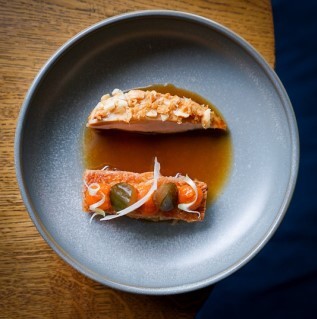
Behind the scenes. Photo: Michiel TonNOMADS' rendition: Grilled chicken with crispy skin, kemiri nut, coconut rice, kimchi cream and chicken gravy. Photo: NOMADS
This timeless classic is transformed by NOMADS into a dish that maintains the traditional elements while adding some interesting new textures. The dish comprises a portion of chicken that’s crumbed with crispy chicken skin along with candlenut. It’s served alongside a bar of fried coconut rice topped with pickled cucumber and a kimchi cream.
Pair with:NOMADS Mary, a Singapore-inspired Bloody Mary that adds miso, chilli and shiitake – a substitute for the chilli element that’s normally present in the chicken rice dish
Another Singaporean favourite, laksa is a rich noodle dish that consists of rice noodles, cockles, slices of fish cake and prawns in a spicy, savoury sauce. When done “Katong-style”, the noodles are cut with scissors so the entire dish can be eaten with just a spoon.
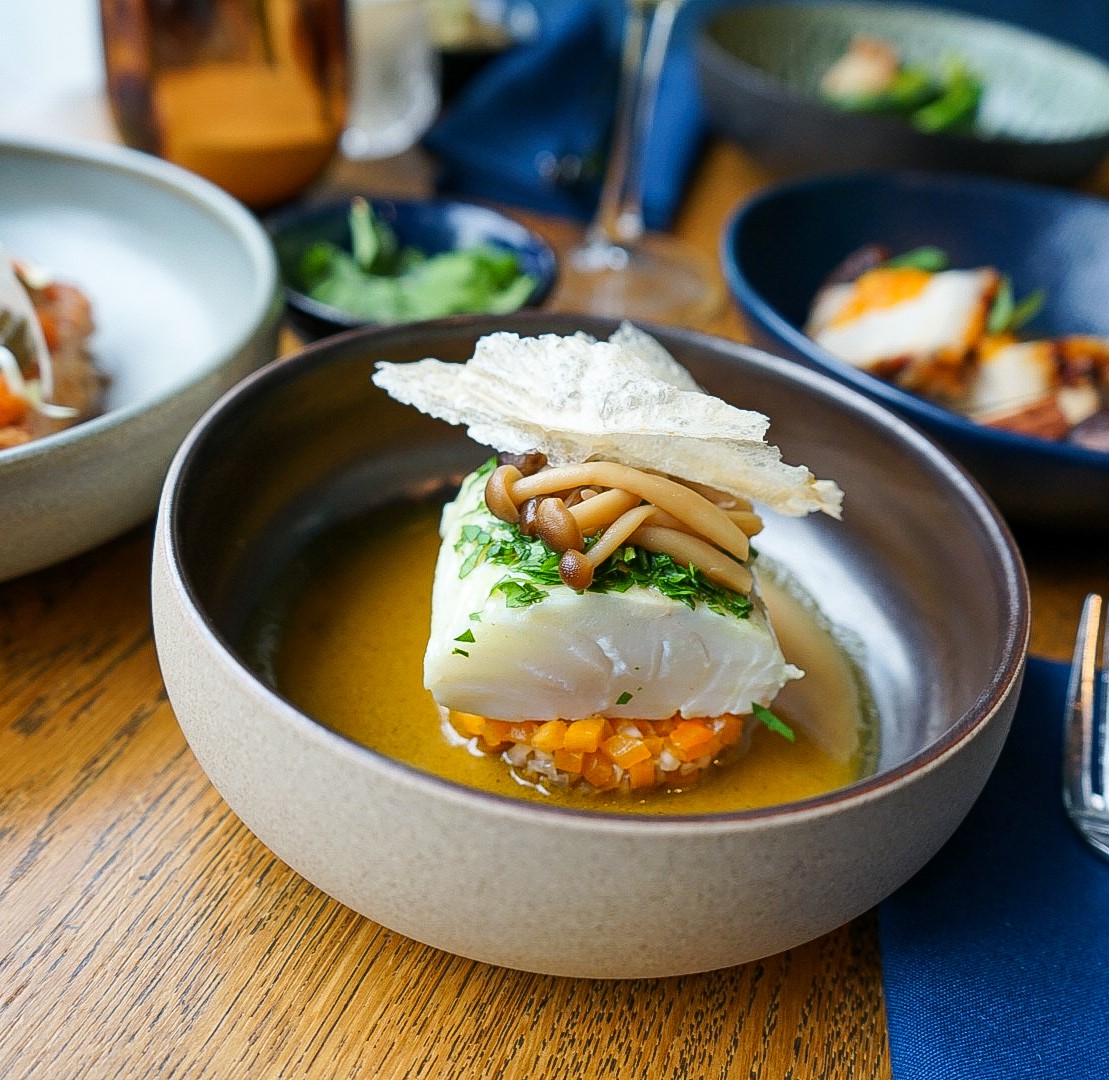
NOMADS’ rendition: Prawn-based curry with fresh salad and beech mushroom. Photo: NOMADS
The NOMADS iteration of the dish consists of a smooth sauce made with laksa leaves and fish cooked in oil from the laksa paste, topped with a generous halibut filet and fresh beech mushrooms.
Pair with:The Spicy Coriander Cocktail that’s made with chilli and coriander and lightened with the addition of cucumber and lime for a refreshing finish
Where to try it in Singapore: Hawker centres and kopitiams have the best versions, especially Janggut Laksa,328 Katong Laksa, Sungei Road Laksa
For the next six to nine months, take a culinary trip to Singapore through NOMADS’ Lion City-inspired menu. To make a booking at NOMADS, visit their website here.
San Francisco has long been a bastion of fine dining, glittering with Michelin stars since 2007. The booming tech industry, robust regional agriculture and a diverse, progressive dining public have all fuelled the city’s culinary landscape over the past couple decades.
Now a new generation of young San Francisco chefs are approaching fine dining with a more creative and sustainable mindset. Cuisines like Japanese-American home cooking, New Nordic, modern Chinese and a nose-to-tail wagyu omakase are being elevated to haute cuisine, offering a more experimental and memorable alternative to predictable French and Italian fare.
Meet four passionate chefs representing this new generation of boundary-breaking culinary excellence.
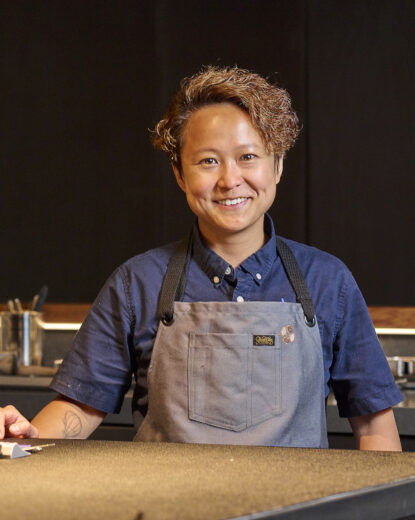
Singaporean chef Peggy Tan transitioned from working in a food science lab to cooking in the kitchen when she realised she’d rather put fresh tomatoes on a plate than into a can. Her first overseas cooking opportunity was an externship at Alexander’s Steakhouse in San Francisco, where she worked her way up to sous chef under chef Marc Zimmerman. Now the 31-year-old chef is once more working with Zimmerman at a restaurant that’s more of a wagyu omakase than a traditional American steakhouse, with an emphasis on whole-animal butchery.
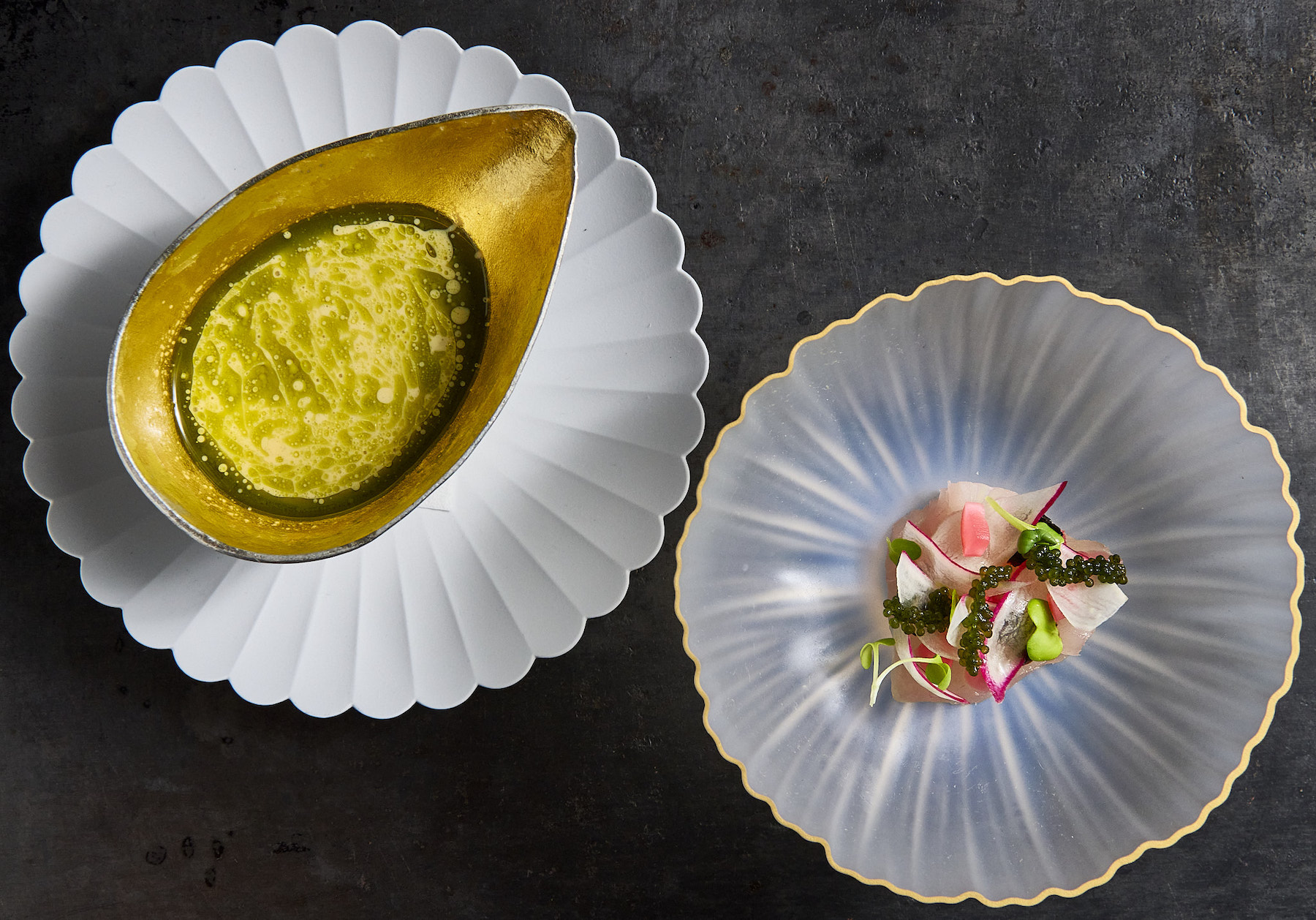
Gozu's Spanish mackerel aged in hinoki, served raw with seaweeds and fermented radish, sauce of jidori egg yolks. Photo: Joseph WeaverChef Peggy Tan. Photo: Joseph Weaver
At Gozu, a stone’s throw from San Francisco’s iconic Ferry Building, diners sit at counter seats surrounding the hearth of the restaurant, where chefs cook over live fire and directly serve guests for a uniquely intimate and interactive experience. “Many of our conceptualised dishes started as conversations with farmers and foragers, and capturing the best ingredients of the season,” Tan says. Theohitashicourse is a prime example, a medley of seasonal vegetables steeped in dashi, served with a side of wagyu mousse to be spread on nori Hokkaido-style milk rolls.
Compared to her hometown Singapore, where most ingredients are imported year-round, Tan says that the menus in Northern California are much more influenced by the seasons and sustainability. “In San Francisco, there is a much deeper connection to earth through the produce that we use,” she says. “This connection is a constant reminder for us to not take food for granted.”
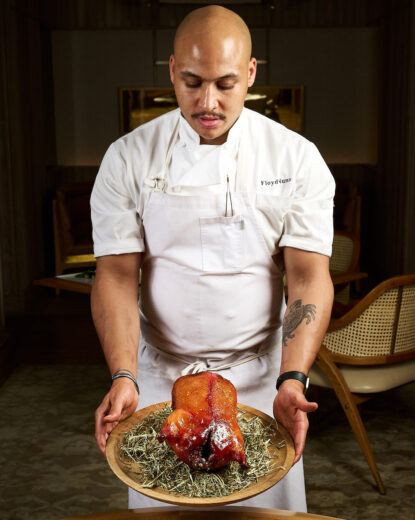
This aptly-named restaurant has only eight tables, an elegant jewel-box space hidden away on the second floor of bustling China Live, a Chinese food emporium in San Francisco’s Chinatown. It’s here thatchef de cuisine Floyd Nunn is defying expectations of Chinese food in more ways than one.
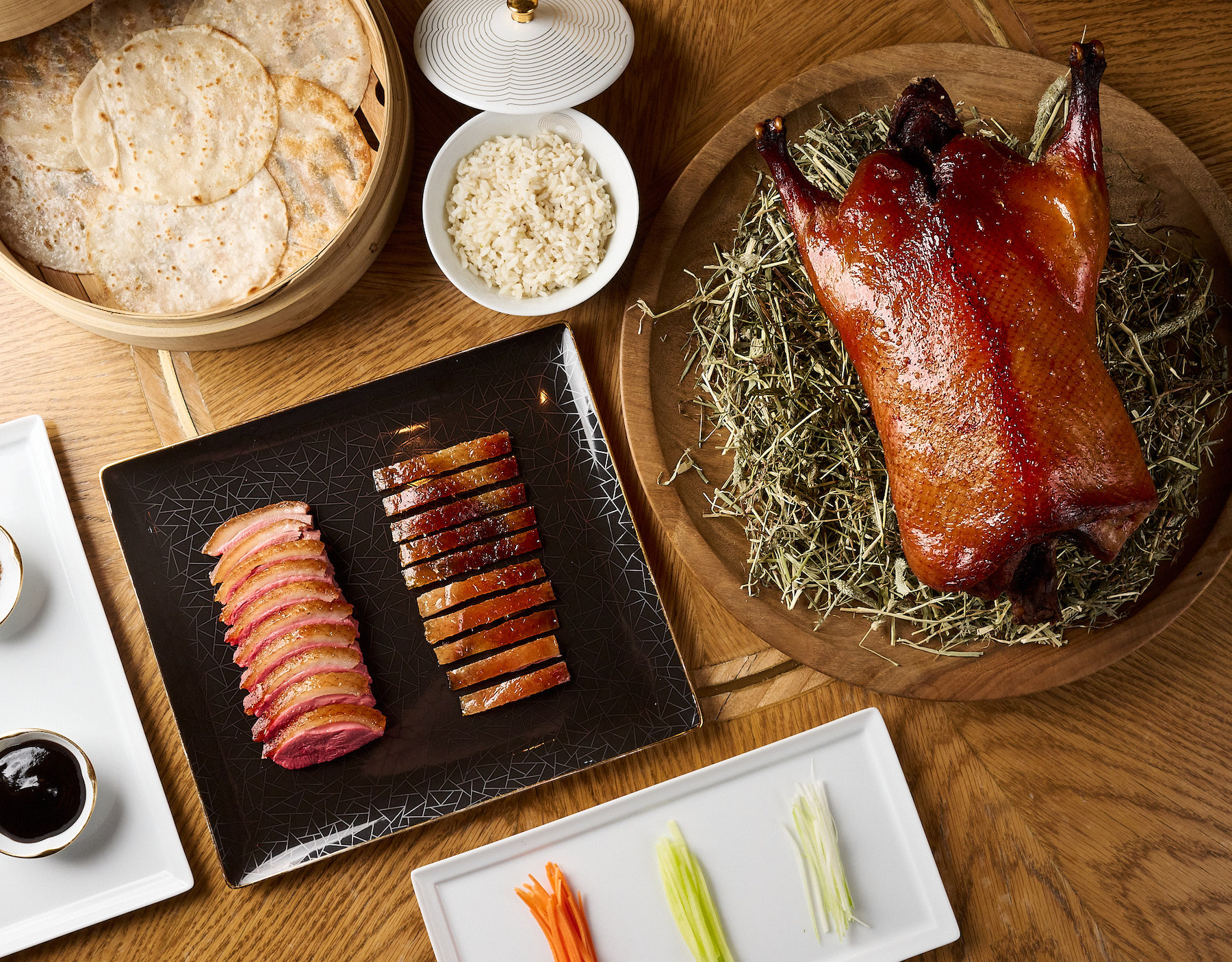
Eight Tables' Peking Duck. Photo: Joseph WeaverChef Floyd Nunn with Peking Duck. Photo: Joseph Weaver
I am proving to people that a chef does not have to be Chinese to cook Chinese-inspired food
“Many diners have an unfair stereotype that Chinese food is cheap and not worth our price tag,” Nunn says. Under executive chef and owner George Chen’s mentorship, Nunn has been able to push himself to new heights, working with Chinese delicacies like fish maw and sea cucumber and conceptualising dishes outside the rules of a Western kitchen. “Cooking is such a sensual task, and when I approach a product I see it, feel it, smell it, taste it – all prior to cooking it,” he says. Dishes like thejiu gong geappetiser educate diners about the nine essential flavours of Chinese cuisine, each presented as a delightful bite in a colourful porcelain bowl.
“I am proving to people that a chef does not have to be Chinese to cook Chinese-inspired food,” he says. Every night, Nunn says diners are surprised when he introduces himself as the chef. “These are not your grandmother’s recipes. We are being creative and innovative, mixing Eastern flavours with a Western style of dining.”
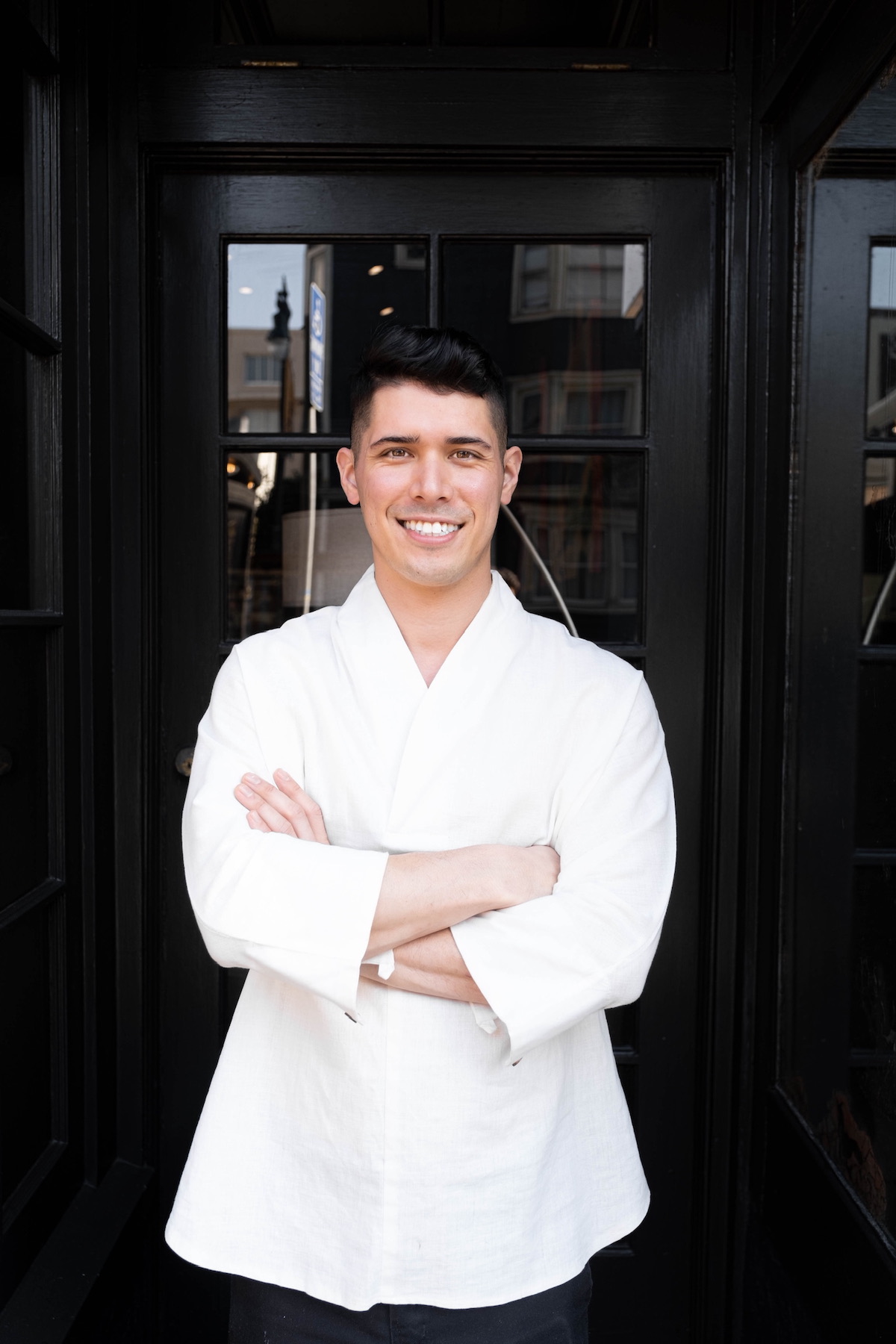
In December 2022, Nisei earned its first Michelin star for David Yoshimura’s new approach to Japanese-American Washoku home cooking. “The world of fine dining is oversaturated with culinary trends and similar restaurants, so at Nisei I want to give guests something new to enjoy through the lens of my heritage,” he says. The 33-year-old chef is the sole owner of Nisei, and has worked at many Michelin-starred restaurants, including most recently Californios, before opening his own restaurant.
Nisei's Yakiniku Set. Photo: Tina YangChef David Yoshimura. Photo: Tina Yang
Yoshimura is an only child and grew up cooking a lot at home for himself while his parents worked. He remembers botching a sushi dinner for his family as a kid when he forgot to add sugar to the sushi rice. “I made the most inedible, acidic sushi and ruined dinner,” he recalls. “But I learned two valuable lessons – always taste your food and never, ever waste rice.”
Now he’s serving perfectly seasoned bamboo rice in an unagi bento with charcoal grilled not-too-sweet unagi alongside crunchy fried eel spine, grated daikon and tsukemono daikon pickles. And that jet black curry? That’s Japanese curry finished with squid ink, Yoshimura’s more refined twist on a katsu curry boxed lunch.
This up-and-coming British chef has completely upended the menu at a tiny Nob Hill institution that’s held a Michelin star for more than a decade. Previously the chef de cuisine at Gastrologik in Stockholm, 29-year-old Harrison Cheney takes his minimalist New Nordic style of cooking to Sons & Daughters, and mixes it with fresh inspiration from California’s bounty of produce.
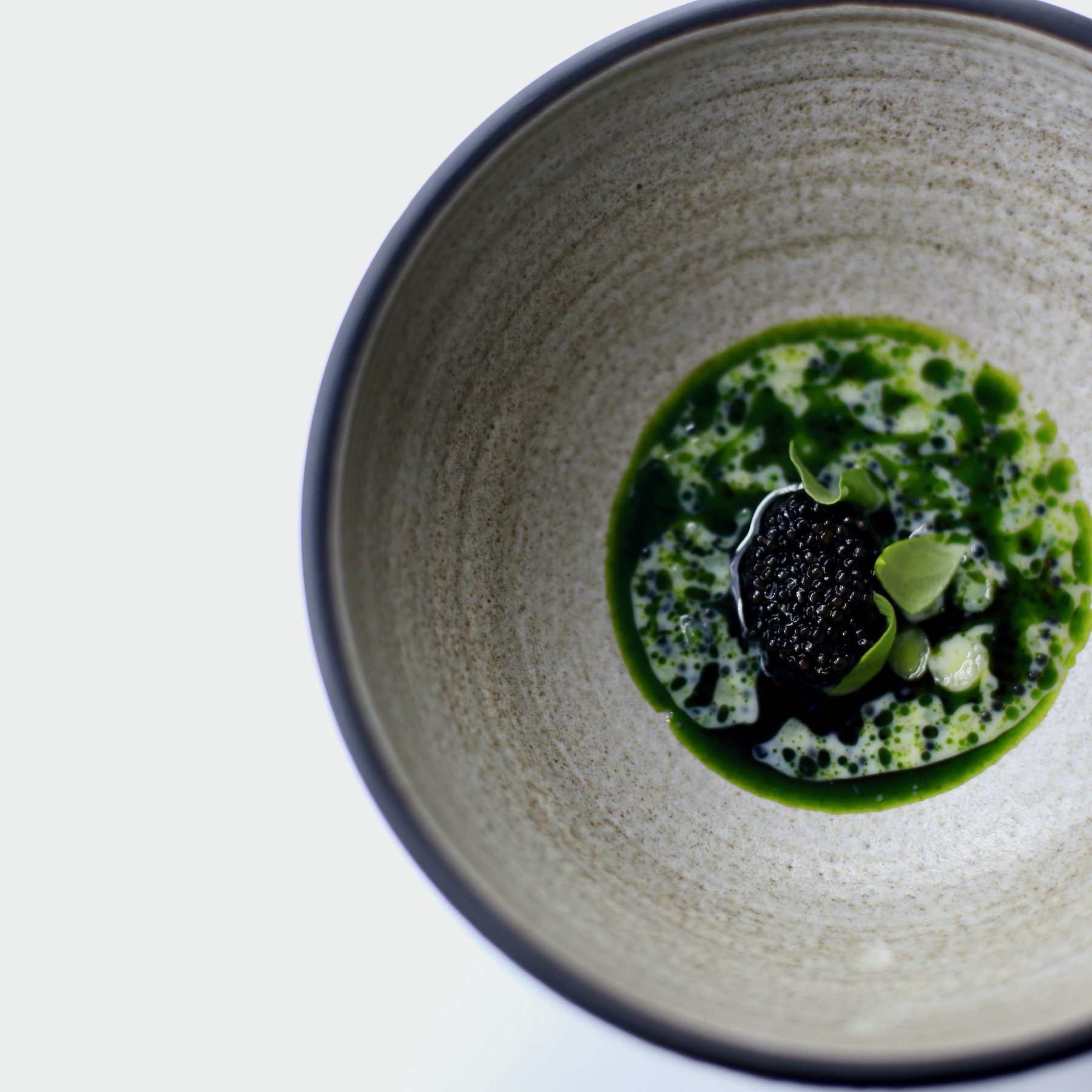
Dishes like grilled diver scallop with caramelised cream and roasted potatoes, or sprouted buckwheat with pickled hedgehog mushrooms and raw walnuts exemplify how just a few ingredients on the plate can burst with flavour. Caviar d’Aquitaine Perlita served with leeks and buttermilk represents his ingredient-driven, zero-waste cooking ethos. Cheney makes his own buttermilk and repurposes the whey for this dish. He makes use of the entire leek stalk too.
Sons & Daughters' Caviar d’Aquitaine Perlita with leeks and buttermilk. Photo: Sons & DaughtersChef Harrison Cheney. Photo: Sons & Daughters
“I prioritised work over everything at such a young age,” he says. “I am really starting to feel all my hard work come to fruition now that I have my own menu and vision.”
Sons & Daughters feels like a brand new restaurant under his leadership, with fewer ingredients on each plate and more fermentation, and his lofty goals include achieving a Michelin Green Star and second Michelin star.