Day 1
Happening this month, Singapore Art Week (11 to 19 January), an annual city-wide extravaganza, hosts various attractions such as a show by late Singaporean expressionist Jaafar Latiff and talks on the intricacies of art conservation. You can also check out this issue’s Discover Singapore insert for more recommendations.
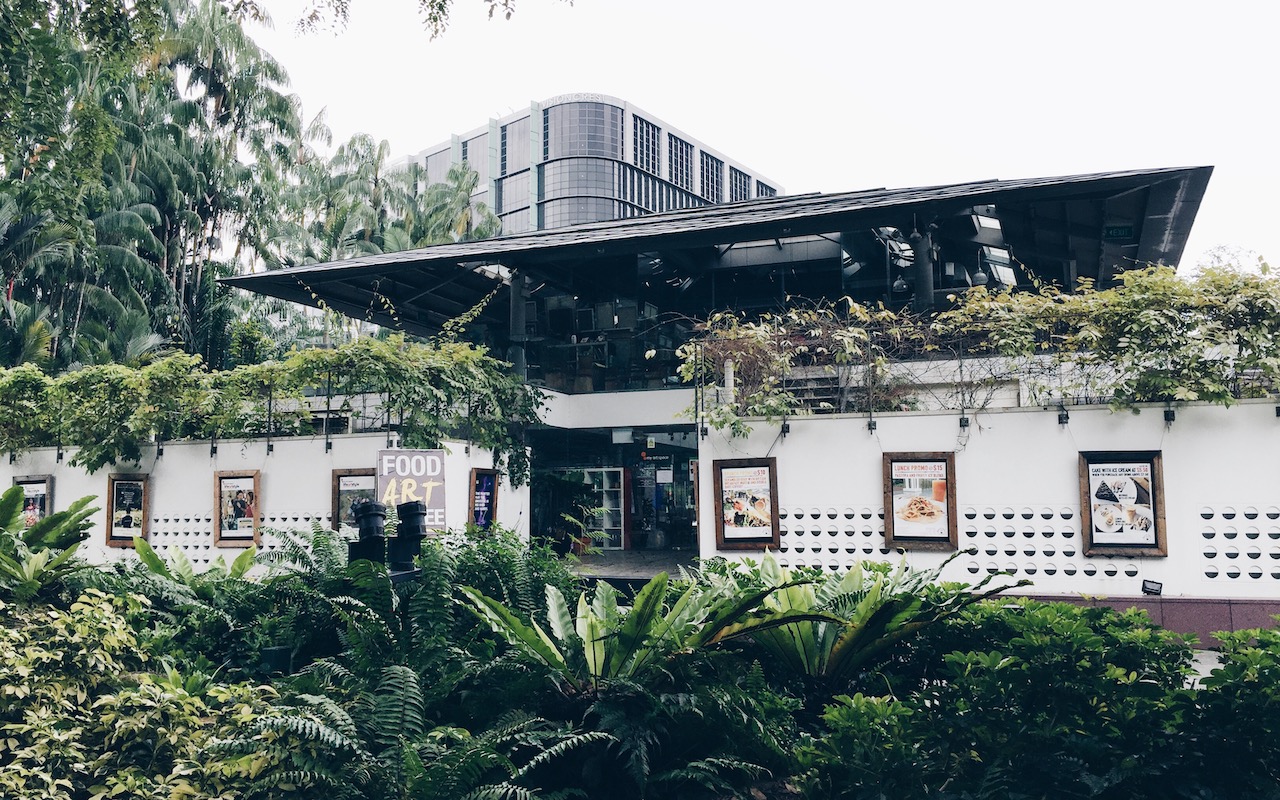
Today should be all about art. Fuel up for this brain-stimulating day at SPRMRKT at Cluny Court, a casual restaurant with an all-day breakfast menu featuring dishes such as Emmental toast with Parma ham and croissant with smoked salmon and spinach, to be enjoyed among ever-changing artworks. This month, “In the Silence of Your Reverie” features sculptures by local artist Chloe Po in her first solo exhibition.
Spend the rest of the morning testing your own artistic prowess at My Art Space on Orchard Road. This organisation provides outdoor art adventures, where participants armed with sketchbooks and paint brushes can immortalise slices of Singaporean life.
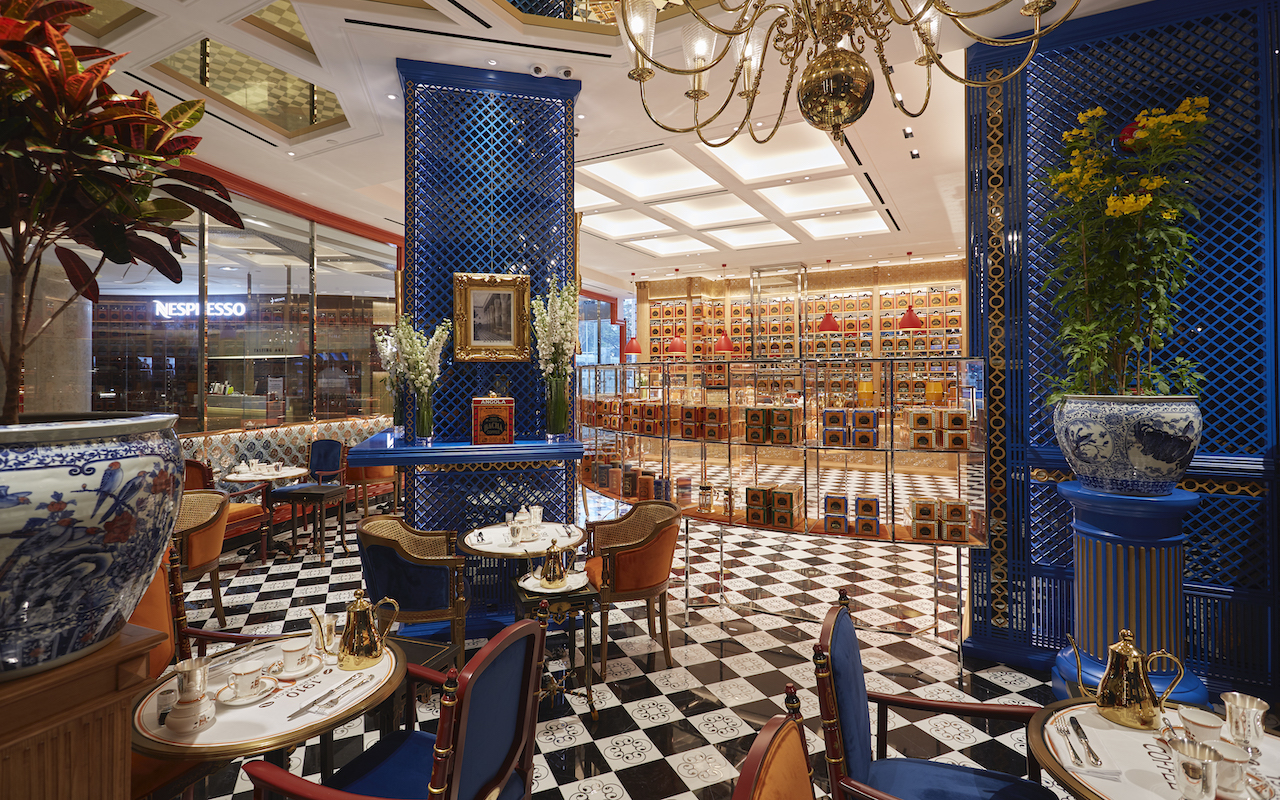
Then head to lunch at ION Orchard’s Bacha Coffee. The black-and-white-tiled café, whose walls are lined with coffee tins, takes its décor cues from the Dar el Bacha palace in Marrakech. In addition to good brews, there’s also a simple menu of tasty Moroccan fare.

It also means you’re in the right place to check out ION Art Gallery and Opera Gallery. A recent show at the latter included pieces by Chagall, Matisse and Picasso, while this month’s “Cutting Edge II” exhibition, part of Singapore Art Week, features works that mix textures, materials and technology.
Then, whet your dinner appetite with a different kind of artistry – the creation of fine whisky. Take a museum tour of ION’s Grande Whisky Collection. Their 4,500-bottle assemblage of rare Scotch and Japanese whiskies includes a Yamazaki 50-year-old single malt and vintages from now-closed distilleries. There are three different tours that come with tastings of bottles such as the Bowmore 12-year-old or the Tweeddale 28-year-old.
“My favourite hawker centres are Chinatown Complex Food Centre and Golden Mile Food Centre for their pig’s trotters and fragrant fried curry fish head respectively.” —Damian D’Silva, executive chef at Kin
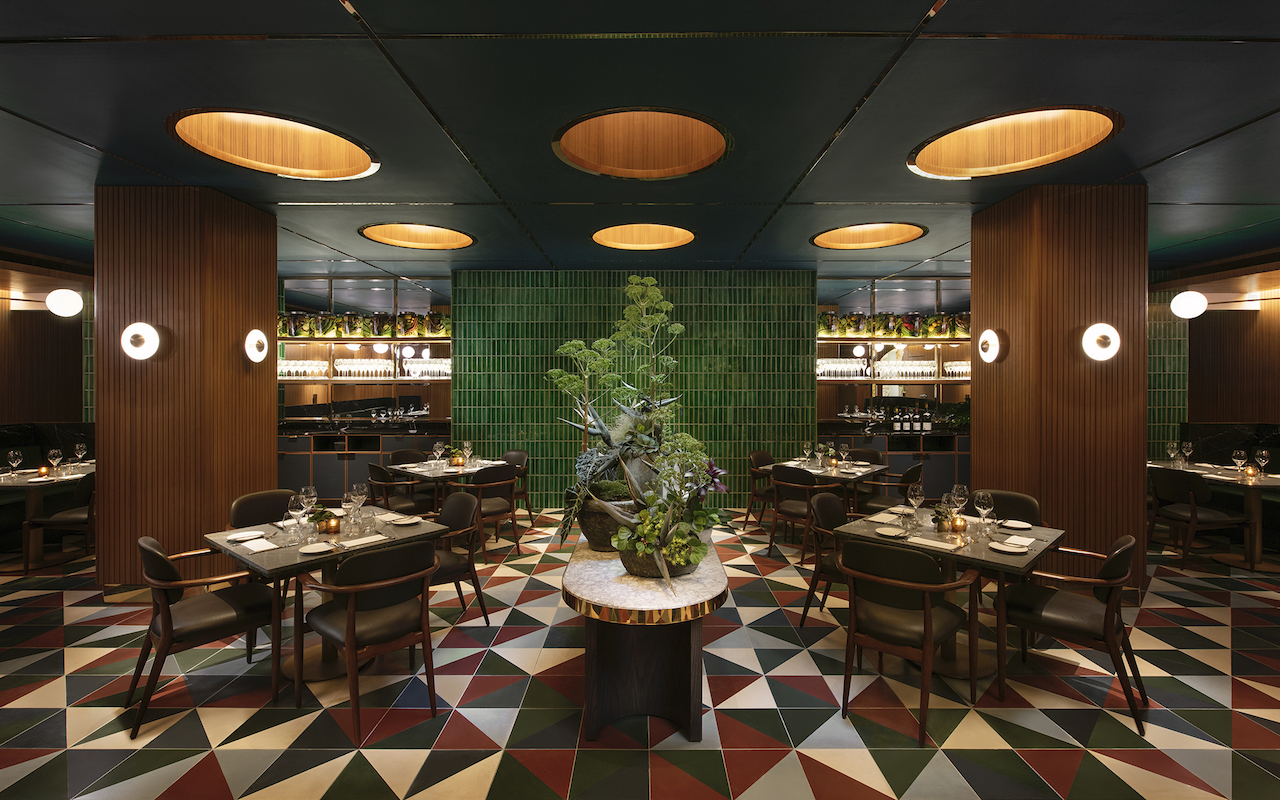
Just up the road at Ngee Ann City, feast on artful, modern Cantonese dishes at Kai Duck, a new restaurant with resplendent green banquettes, wooden floors and hanging pendant lamps, with dishes such as chilled tofu with century egg; crispy-fried fish, prawn and crab with black truffle sauce; and Peking duck salad hand rolls.
Day 2
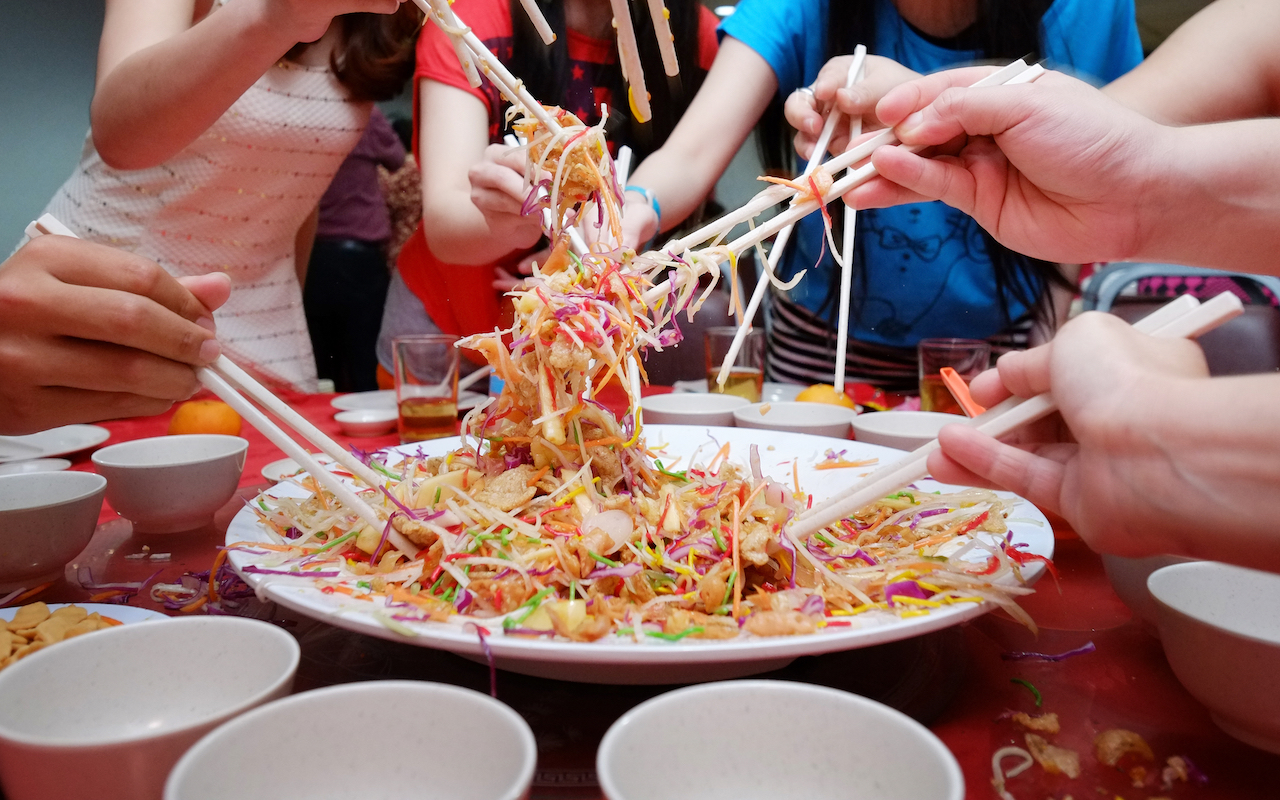
Singapore brims with cultural celebrations this month as it gears up for both the Lunar New Year and the Tamil harvest festival Pongal.
Mark the latter with breakfast at Ananda Bhavan, a 24-hour vegetarian restaurant in the heart of Little India that serves dosa (fermented rice pancakes), idli (savoury rice cakes) and even pongal, a popular South Indian dish made with rice, milk, cashews and peppercorns.
Work off the food with the Little India Heritage Trail, made of routes detailed by the National Heritage Board that highlight the area’s historical significance. The “Serangoon in the 1900s” walk takes in sights such as the former house of Tan Teng Niah, the last Chinese villa in Little India.
For lunch, the corner restaurant Swee Choon Tim Sum might be no-frills, but the dim sum – such as siew mai (steamed pork dumplings) and bean curd chicken rolls – are a big hit thanks to their affordability and authenticity.
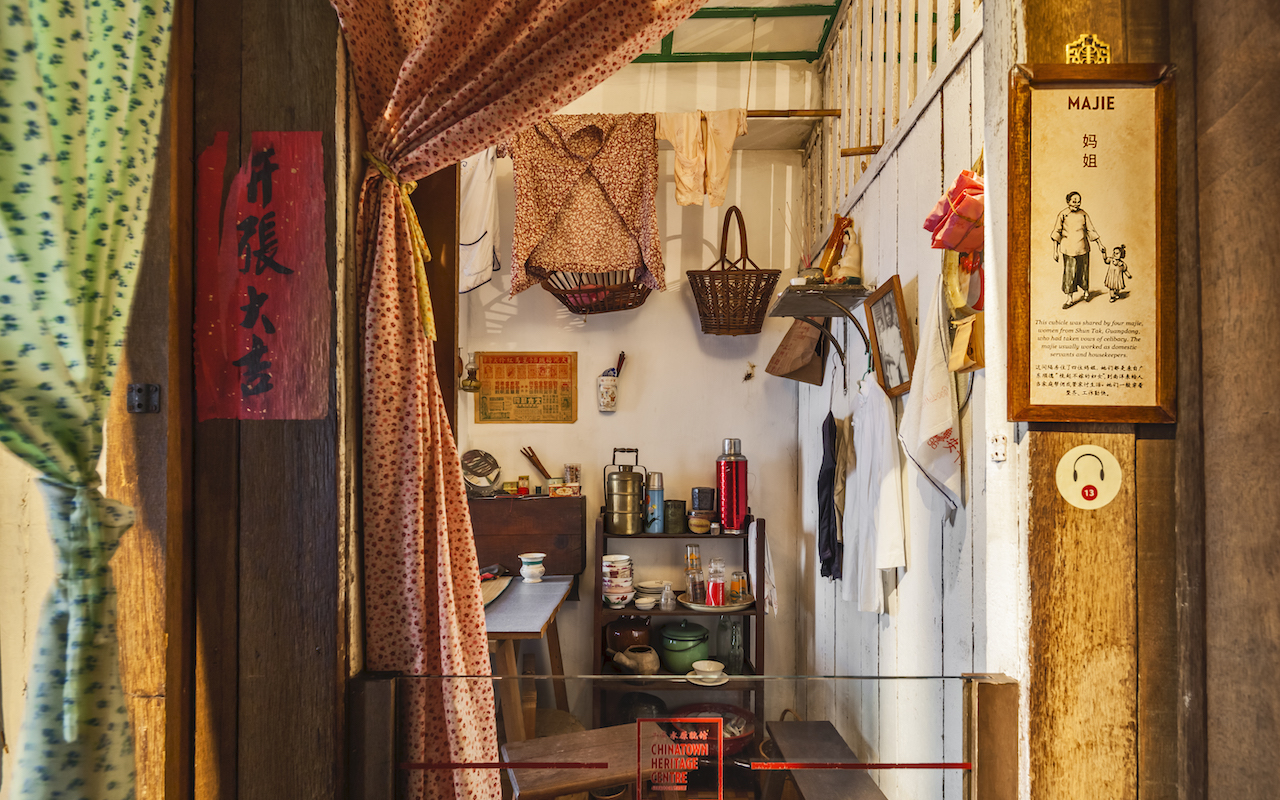
Then hop onto the MRT at Farrer Park for the four-stop ride to Chinatown. Up on street level, you’ll find festive markets in anticipation of the Lunar New Year at the end of the month, as well as the Chinatown Heritage Centre – three restored shophouses that faithfully recreate how people in the area lived in the 1950s.
For a mid-afternoon break, savour some Chinese treats at Mei Heong Yuen Dessert, which has two branches in Chinatown. Among the delights are almond or sesame snow ice; water chestnut with sweet corn; and cheng tng, a hot or cold dessert often made with white fungus, red dates, dried longan and gingko nuts. You could also head over to bookstore and café The Moon for a feminist novel and a slice of gluten-free cake.
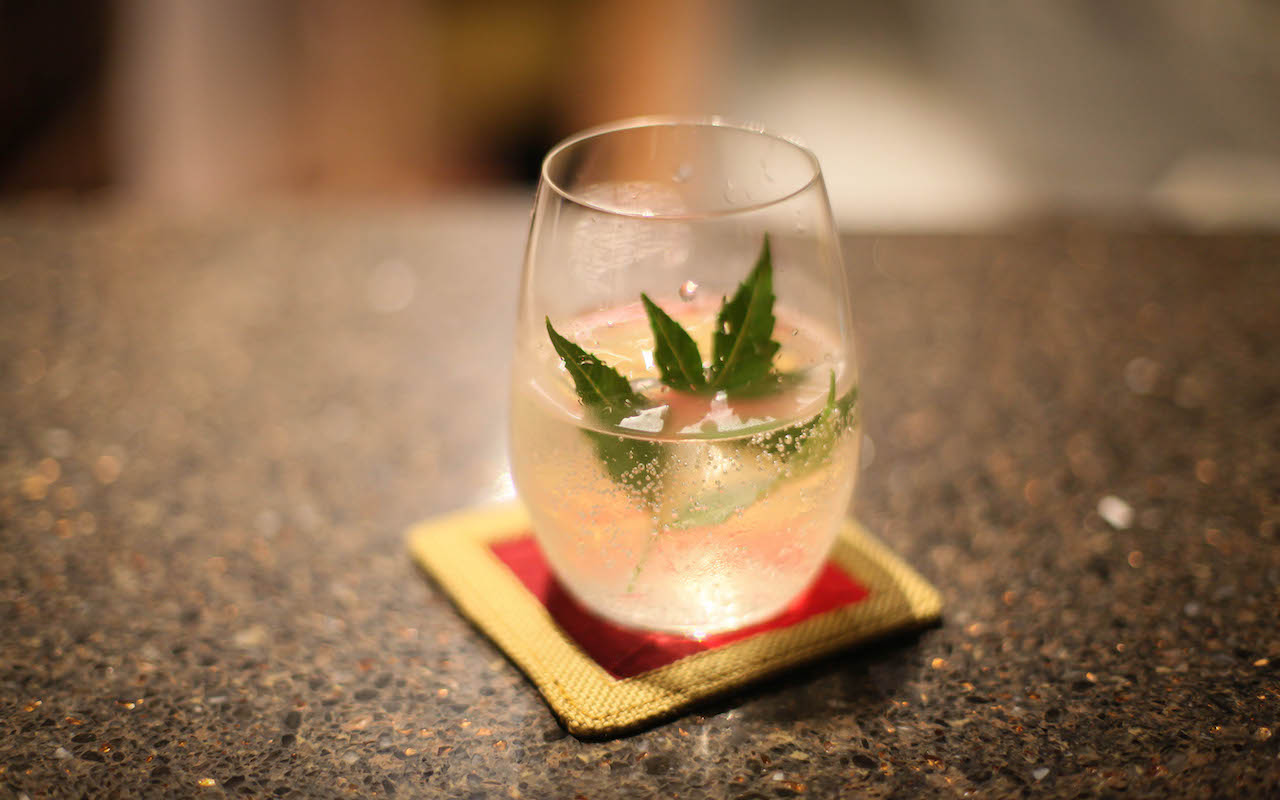
For dinner, put yourself in the hands of chef Damian D’Silva and his new endeavour Kin, in the Straits Clan members’ club, for local heritage dishes such as gulai (tender beef cheek in a 15-spice gravy) and daun pegaga, or pennywort, salad with shallot oil and local lime. End the day with a five-minute walk to The Elephant Room, a bar inspired by Indian heritage offering tipples such as Buffalo Road, which mixes pink-guava-infused gin and vetiver.
“For those wanting a relaxing time, East Coast Park and the Botanic Gardens are both lovely outdoor areas to explore and find a quiet spot to read in.” — Sarah Naeem, owner of The Moon
Day 3
The Singapore River was instrumental in the city’s development, and today its surroundings continue to be full of riches.
Grace Espresso – with dark blue walls, rustic log furniture and plenty of natural light – is the perfect spot to begin your day with some excellent coffee and brunch bites such as turkey bacon avocado toast.
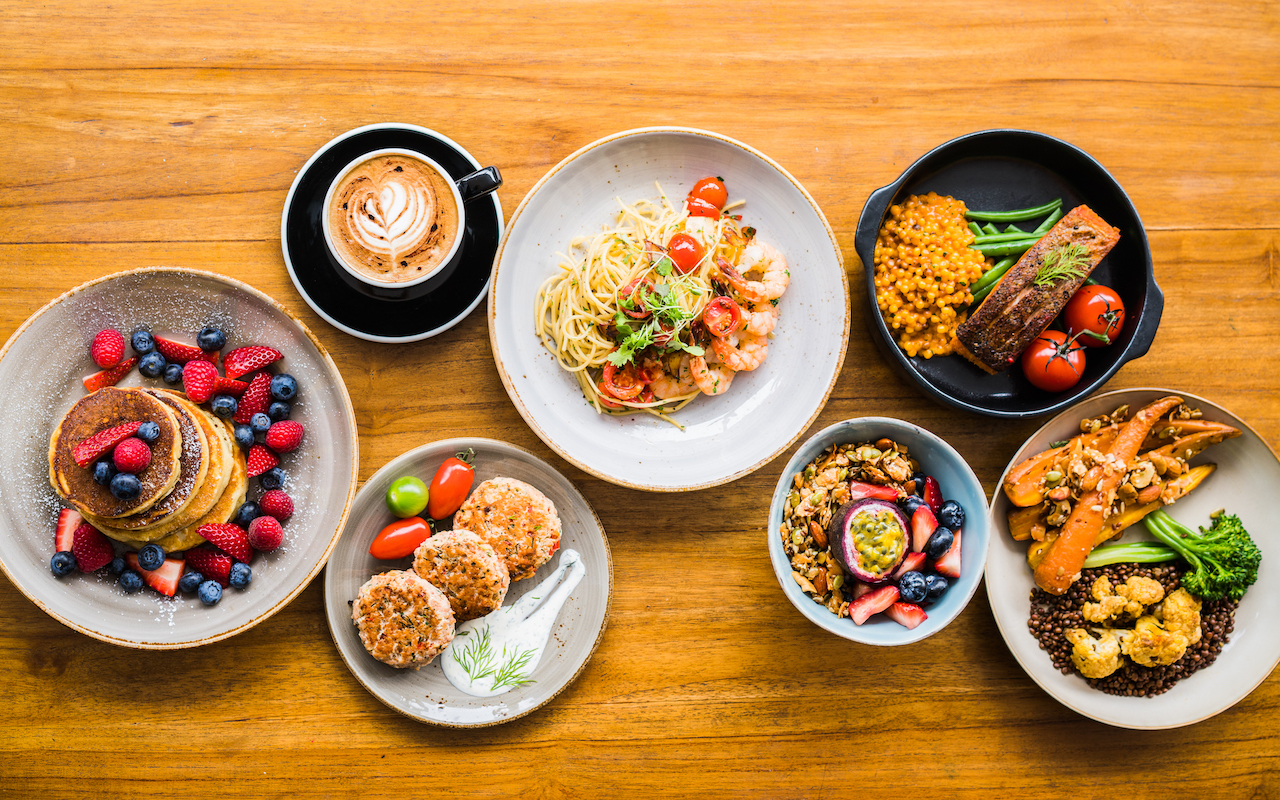
A two-minute walk away in Valley Point shopping centre is the gourmet grocery Little Farms, an ideal stop for healthy snacks such as apricot bars and polenta chips.
From here, head down east towards Zion Riverside Food Centre. Famous for its stalls such as No 18 Zion Road Fried Kway Teow, the hawker centre is small but popular. If you’re still too full, grab some freshly squeezed sugarcane juice instead at Kenju Beverages before strolling the short distance to Kim Seng Park for some quiet time. A shaded, leafy riverside park named after a local businessman from the 19th century, it’s a good place to imagine how the water was full of merchant boats in days of yore.
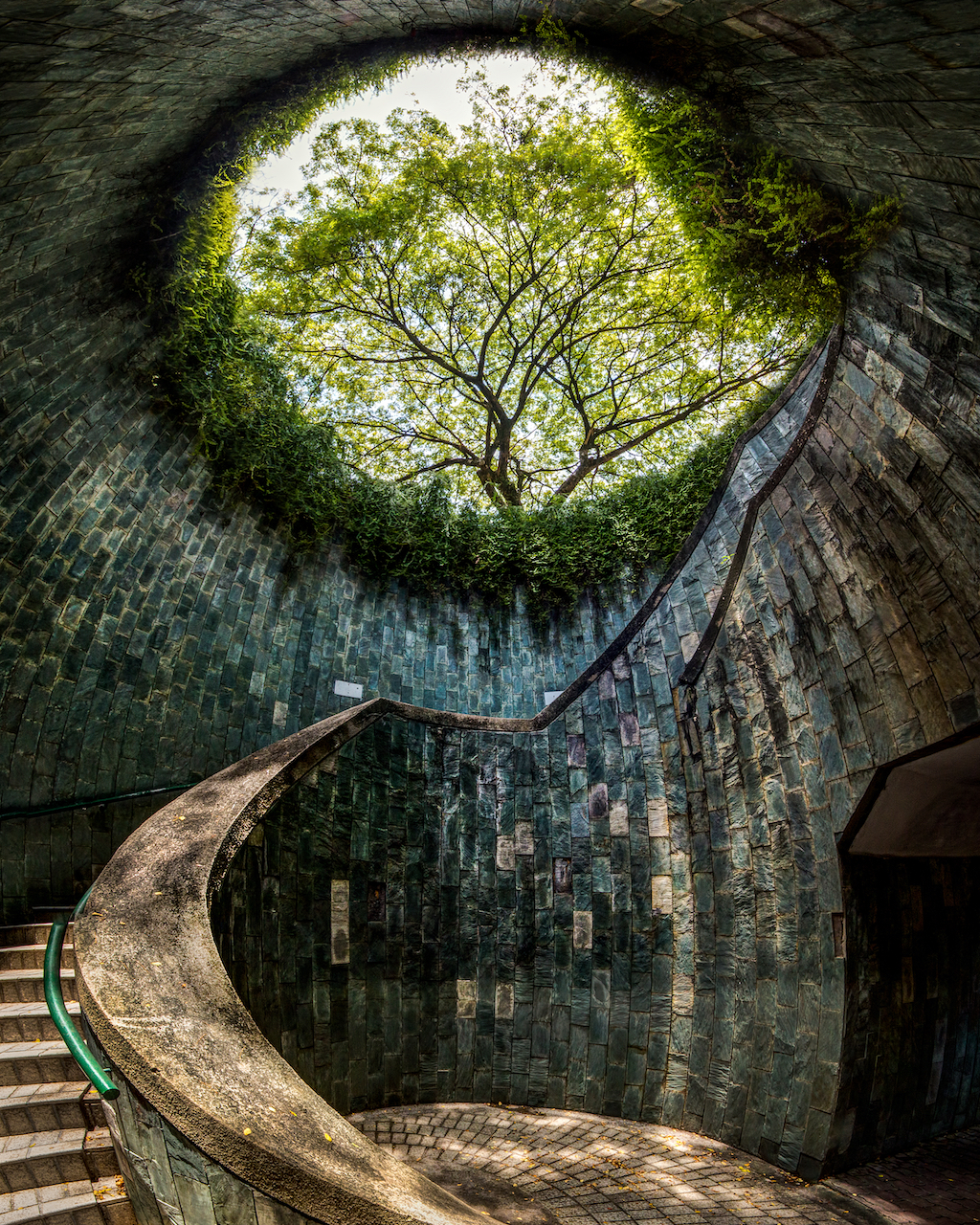
Lunch is at Octapas, a riverfront tapas bar with shared plates as well as moreish paellas and meat and seafood dishes. More greenery beckons at Fort Canning Park, which unveiled nine new gardens last year as part of an ongoing restoration. Among them is the Sang Nila Utama Garden, with Javanese split gates, and the Spice Garden, with plants arrayed on cascading terraces.
Before the sun sets, stop by where the river empties into Marina Bay. Look out for the bronze sculptures that depict the history of river life – you’ll find pieces such as First Generation by Chong Fah Cheong, showing a group of young boys jumping into the river to cool off, among others.
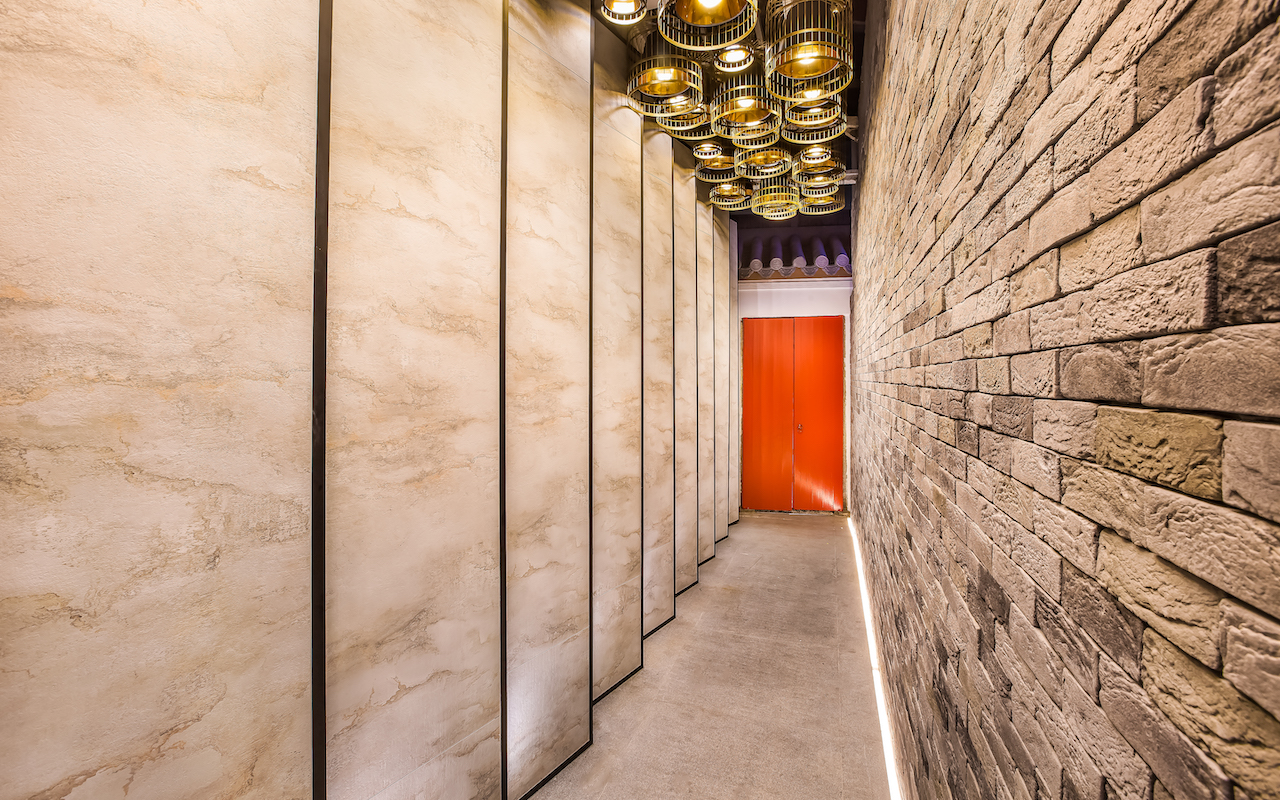
For dinner, try Mimi. Located in the sumptuous 19th-century building The Riverhouse, it serves modern Chinese dishes such as escargot spring rolls and Angus beef pasta. End the day with a gentle nightcap at five-month-old Platform, with its low- and no-alcohol cocktails made with ingredients like chocolate and pear.
Indian eateries that are worth checking out
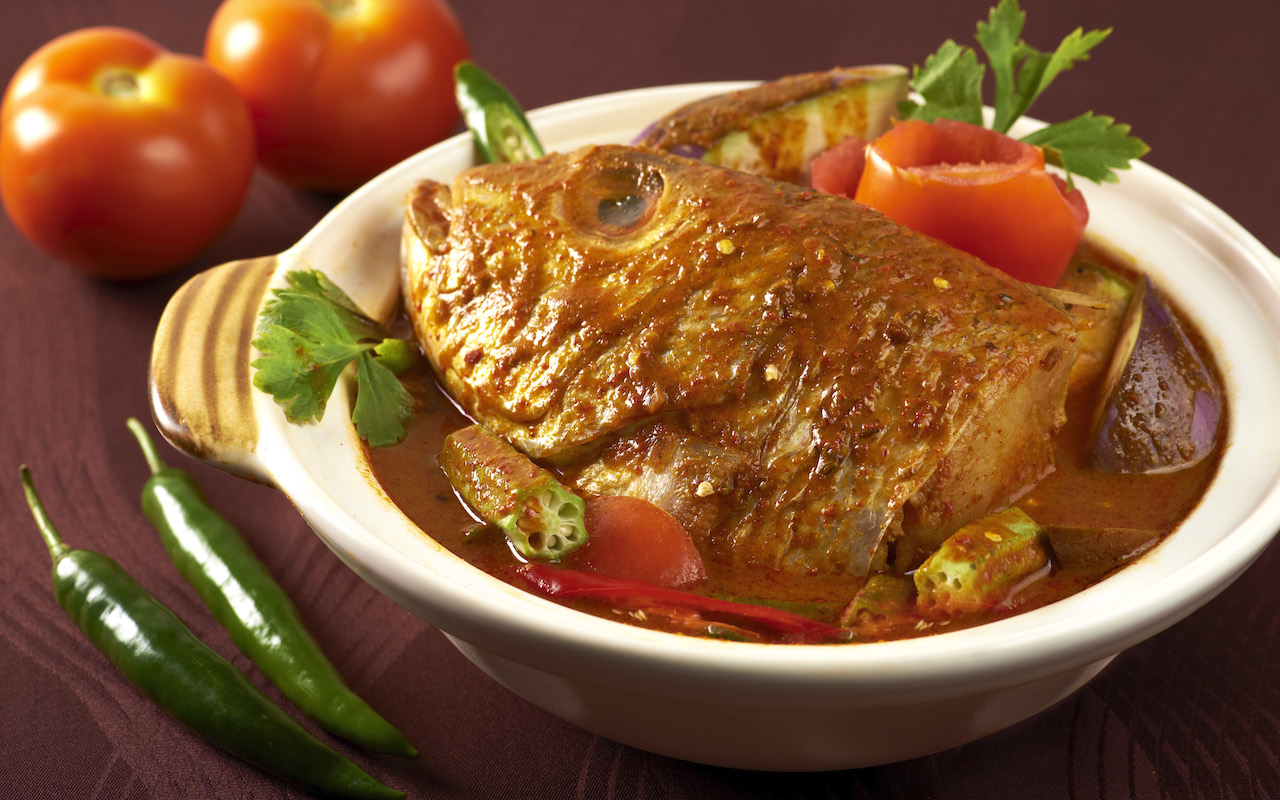
Found at Dempsey, Samy’s Curry is known for its fish head curry and South Indian dishes served on banana leaf. There’s also the Tiffin Room at the iconic Raffles Hotel, which offers refined North Indian food amidst decadent mirrored wall panelling. Finally, Udipi Ganesh Vilas across from the Sri Senpaga Vinayagar Temple is perfect for a family gathering.
Enjoy January’s cooler days at these outdoor spots
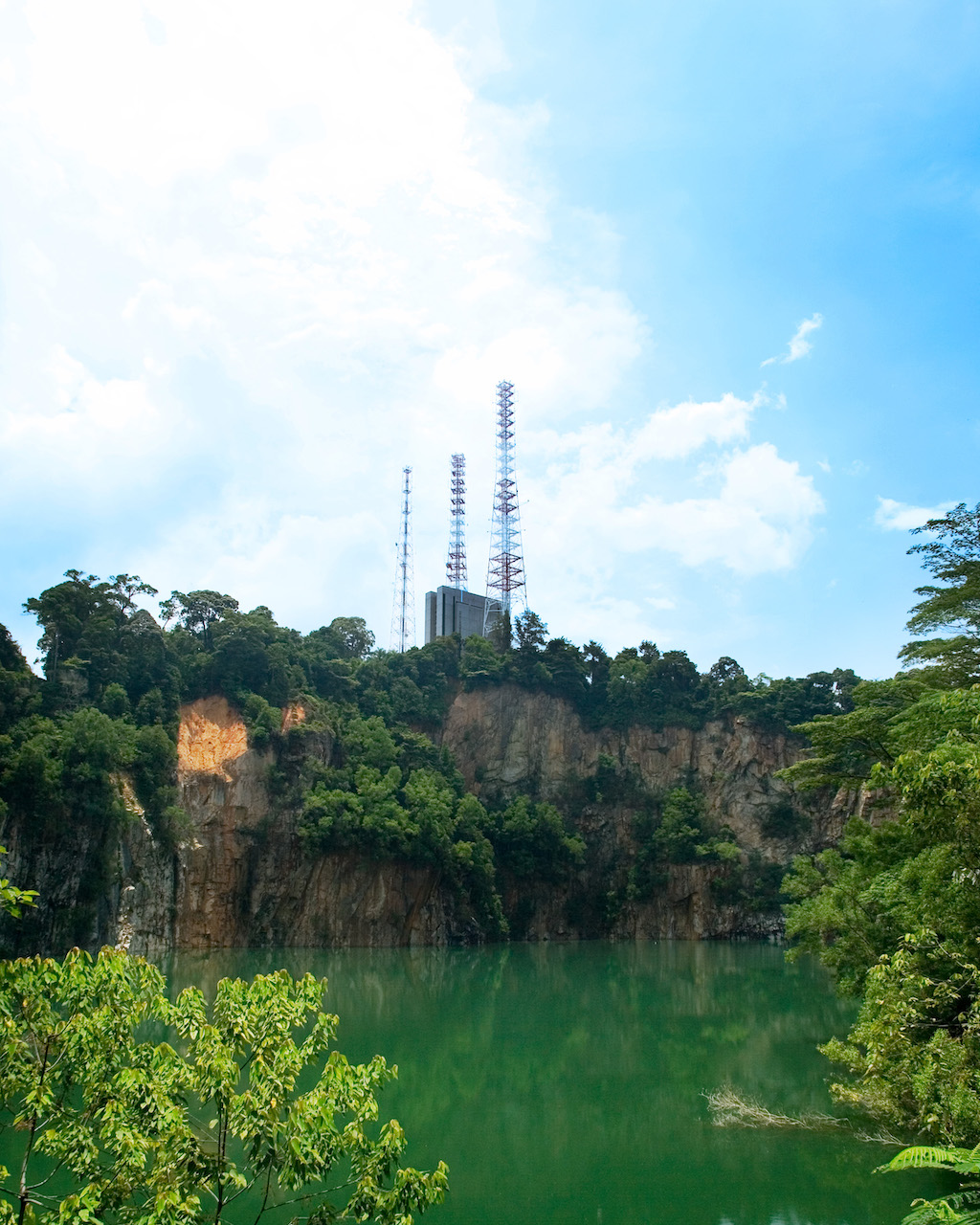
Bukit Timah Nature Reserve
Come here to climb to Singapore’s highest point, atop Bukit Timah Hill, which is set 163m above sea level.
Thomson Nature Park
The newly opened green space is a habitat for the endangered Raffles’ banded langur and features the remnants of an old Hainanese village.
Jurong Lake Gardens
Within this 90ha spot of nature you will find golden grasslands, a swamp forest, a nature-inspired playground for the kids and a butterfly-filled maze.
SEE ALSO: 3 days in Singapore: The December 2019 edition
This article was originally published in the January 2020 issue of SilverKris magazine
The post 3 days in Singapore: The January 2020 edition appeared first on SilverKris.
from SilverKris