Posts, pics, video and motivation on Travel Lifestyle, countries around the world! Addicted to adventure travel and photography, I'm on a mission to inspire your next journey with entertaining stories, beautiful images, fun travel videos, and useful tips.
From beautifully curated hampers to timeless jewellery and indulgent haircare, these thoughtful picks are designed to delight, pamper and be cherished long after Mother’s Day. Whether you are celebrating together or from afar, each gift brings a touch of care, meaning and everyday luxury to the occasion.
1. Everyday self-care for mums and dads
Give mum the gift of healthier, stronger hair with elihe laboratories’ Bioscience Duo, a refined two-step system developed in Singapore. Pairing a gentle shampoo with a lightweight regenerative ampoule, it supports scalp health as the foundation for fuller-looking hair.
Powered by advanced bioactive ingredients, it helps protect against daily stressors such as pollution and ageing, taking a preventative, drug-free approach to long-term hair wellness. Simple and effective, it fits effortlessly into busy routines, making it a thoughtful gift for mums and dads alike, just in time for Father’s Day.
elihe laboratories’ Bioscience Duo supports healthier, fuller-looking hair with ease
2. A thoughtful Mother’s Day hamper
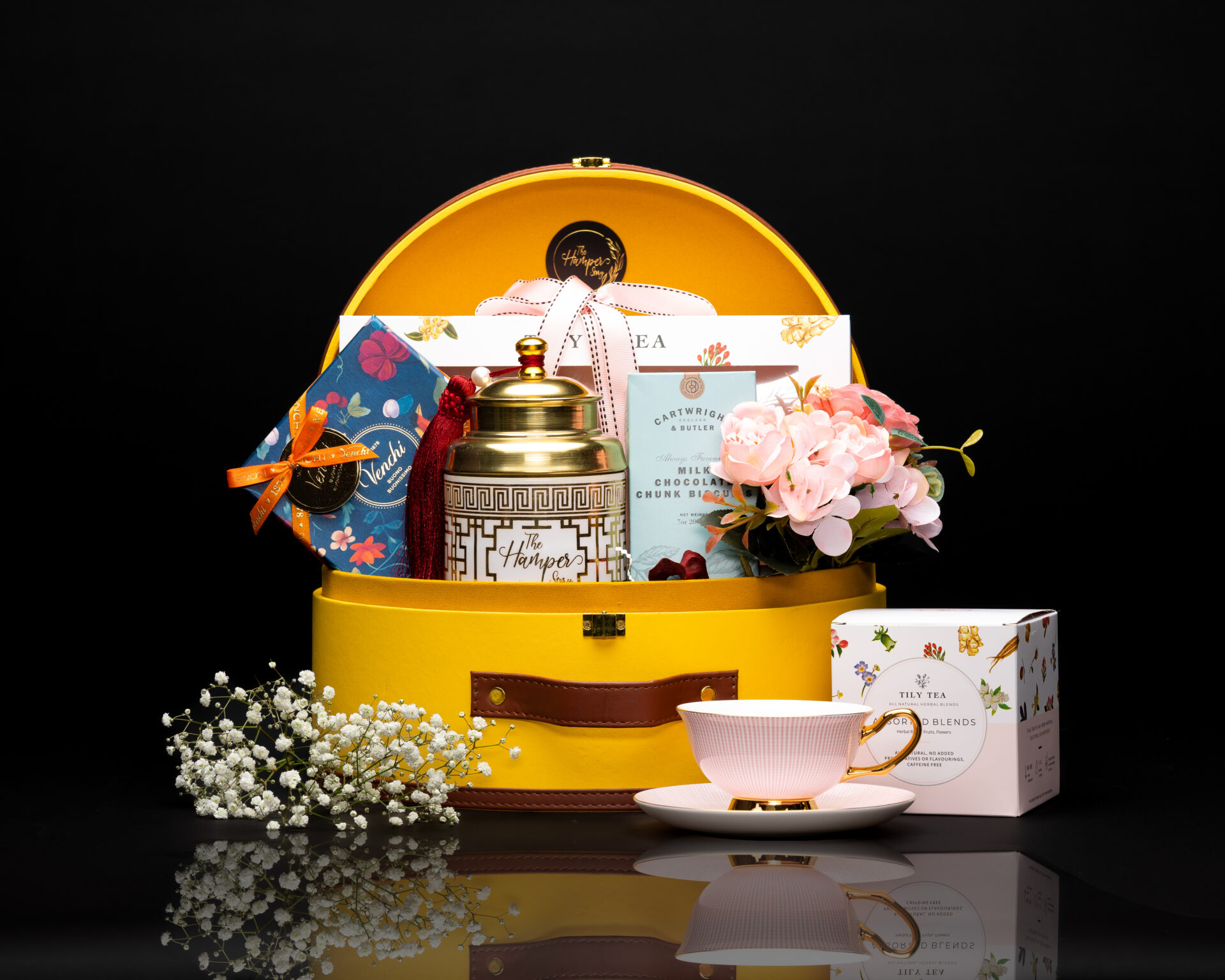
Elevate Mother’s Day gifting with a beautifully curated hamper from Singapore-based The Hamper Story. Each hamper is thoughtfully assembled with international gourmet delicacies, premium wines and artisanal treats, designed to delight before it is even opened.
More than just a gift, these elegant hampers are crafted to celebrate meaningful moments and heartfelt connections, making them a thoughtful way to show mum just how much she means.
A beautifully curated hamper from The Hamper Story, crafted for meaningful gifting
3. A gift she’ll treasure forever
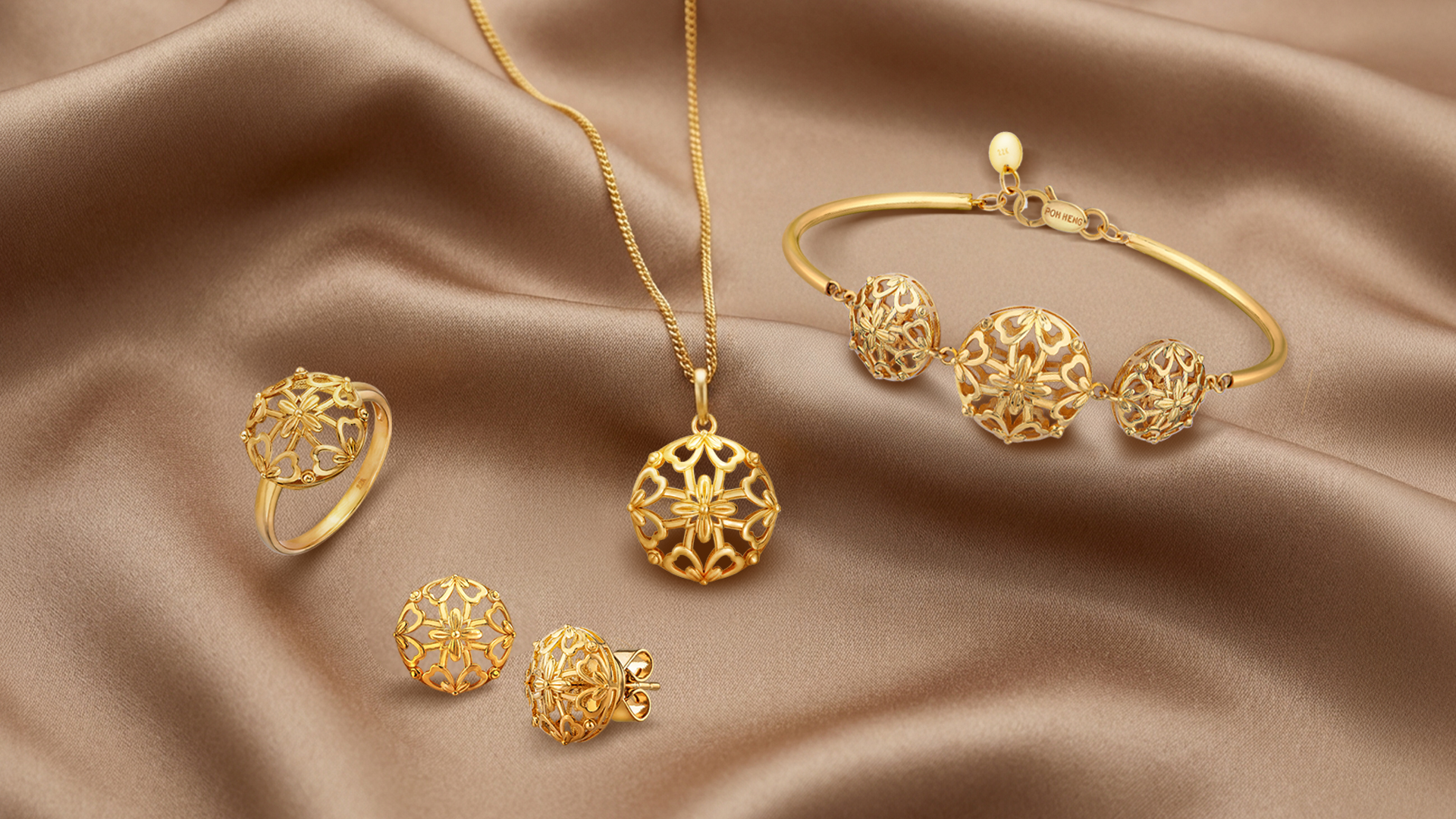
Celebrate mum with a piece from POH HENG, a heritage Singapore jewellery brand founded in 1948. Known for its craftsmanship and timeless design, each piece is thoughtfully created to mark both life’s milestones and everyday moments. Blending traditional artistry with contemporary elegance, POHHENG’s jewellery is designed to be worn, loved and cherished across generations, making it a meaningful gift she will treasure for years to come.
Named after the pioneering aviator who became the youngest Australian woman to obtain a pilot’s license in the 1930s, the Western Sydney International Airport is set to become Australia’s first smart airport. Travellers can expect cutting-edge technology—a remote, digital air-control system—and sustainability features, including solar power and rainwater harvesting. The airport also boasts a world-class, human-centred design by Cox Architecture, Zaha Hadid Architects, Multiplex and Woods Bagot. Best of all, WSI will operate 24/7, which will significantly boost Sydney’s ability to handle air travel beyond its existing airport.
Situated between Badgerys Creek and Luddenham, WSI is roughly 45km west of Sydney’s central business district. The distance can be covered in 45–90 minutes—traffic depending, naturally—though the planned M12 Motorway and Sydney Metro rail link should cut that time to 30 minutes.
But it’s also worth considering the exploration potential of the Western Sydney area. Here are a few of the region’s attractions that are worth checking out right as you land or before taking off.
1. Blue Mountains
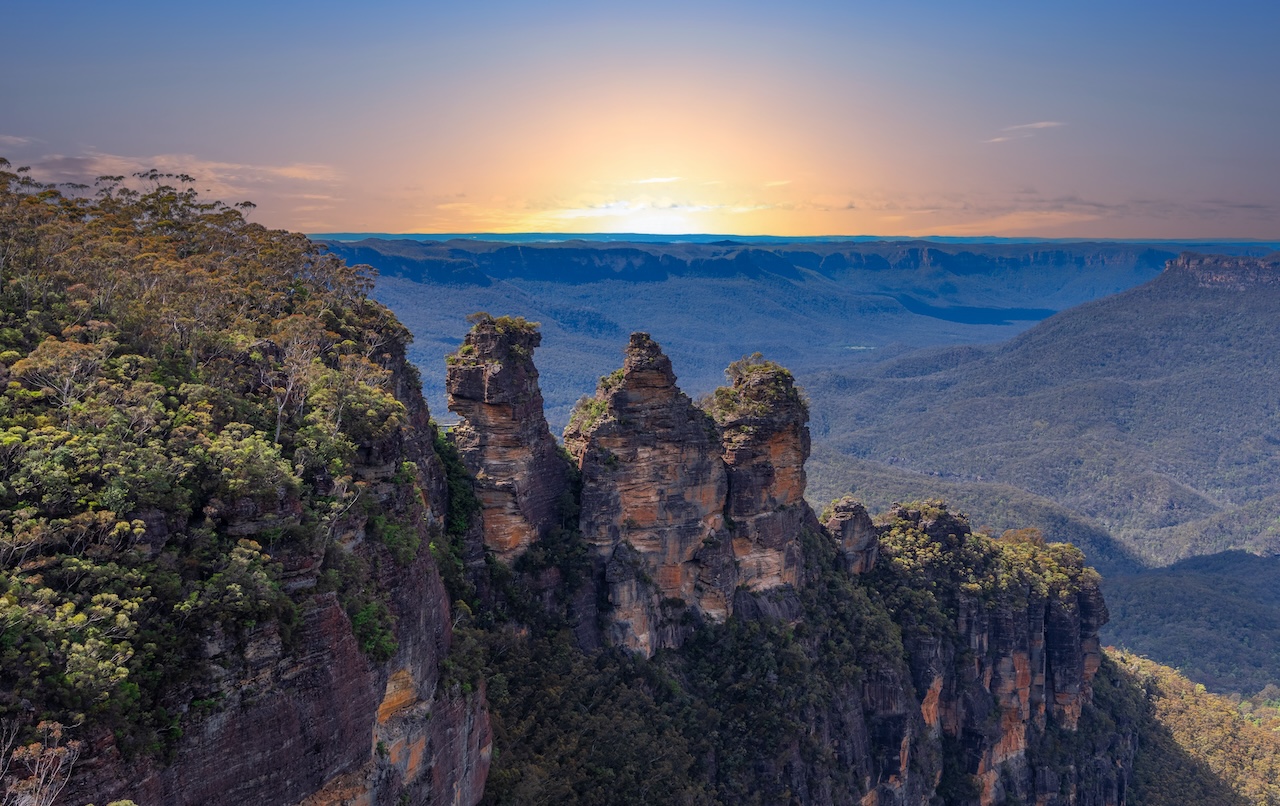
For those seeking respite in nature after the bustle of the city, a quick 30-minute drive from Western Sydney International Airport brings you to the border of the Blue Mountains region. Hidden amid the wilderness of sandstone ridges and native bushland is an experience for every traveller.
The view of Echo Point Blue Mountains and the famed “three sisters.” Photo: Shutterstock.com
Adventure-lovers will get a rush from the over 140km of walking tracks and mountain biking trails that loop through valleys, while culture vultures will enjoy admiring ancient Aboriginal art, or visiting the antique shops, museums and cafés of mountain towns like Katoomba, Leura, and Blackheath. There’s also plenty for the foodies: from high tea at the historic Hydro Majestic Hotel to craft brews at Mountain Culture Beer Co, housed in a former newspaper office.
2. Featherdale Sydney Wildlife Park
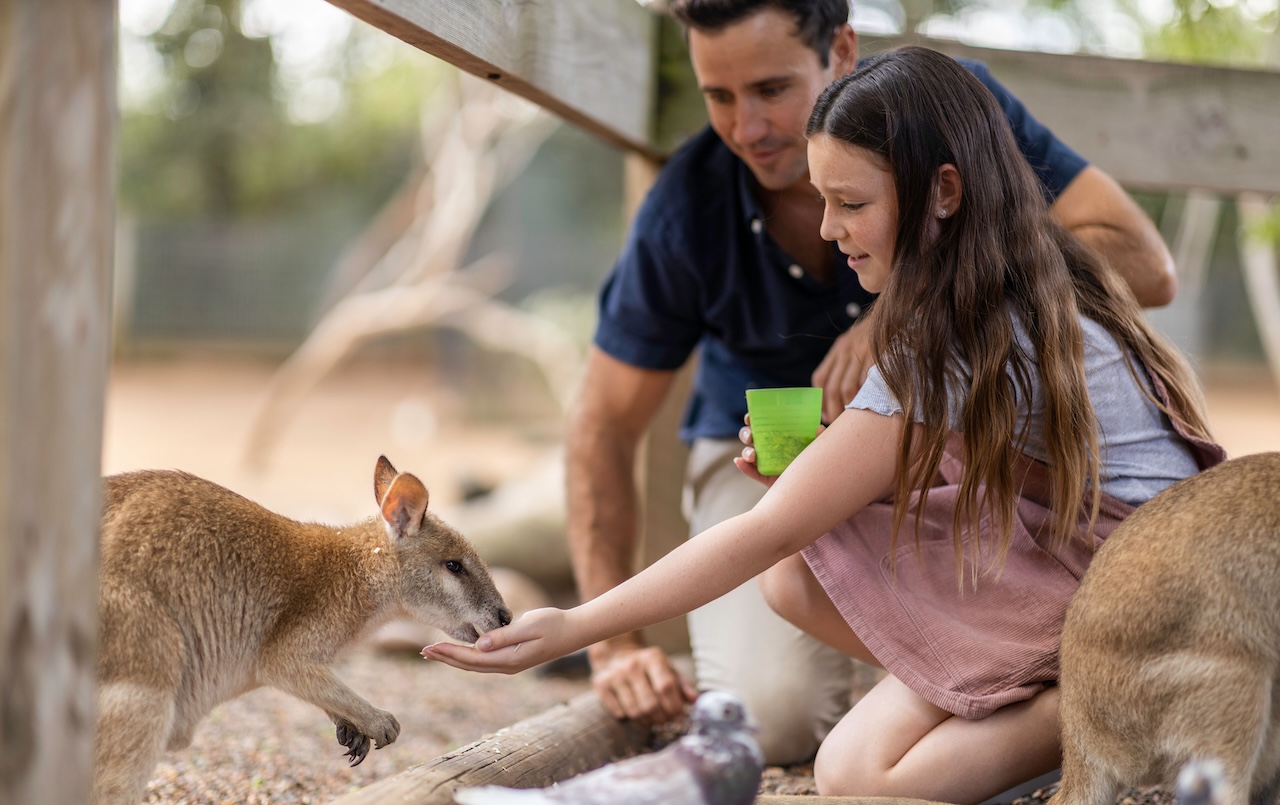
In the heart of Western Sydney, just 30 minutes from the new airport, Featherdale Sydney Wildlife Park is one of Australia’s most intimate and peaceful wildlife encounters—despite being spread across seven acres of bushland.
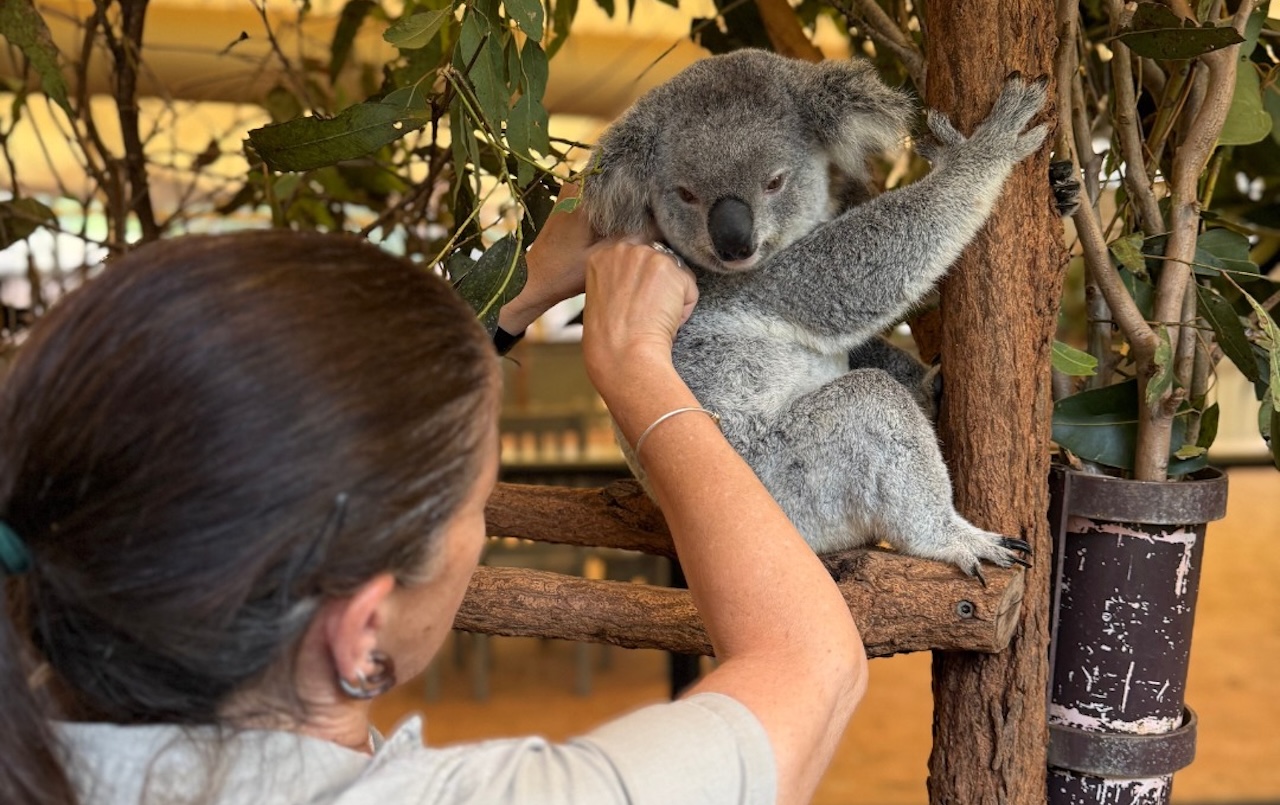
Meet cute critters and learn more about Australia’s diverse wildlife at this park. Photo: Destination NSW
Stroll along carefully designed pathways through six wildlife habitats, enjoying close-up experiences with the 1,700 animals from over 280 species, including emus, crocodiles, bilbies, penguins and wombats. Along the way, stop for informative talks by zookeepers, hand-feed kangaroos, pet koalas, and photograph wallabies.
3. Luddenham Raceway
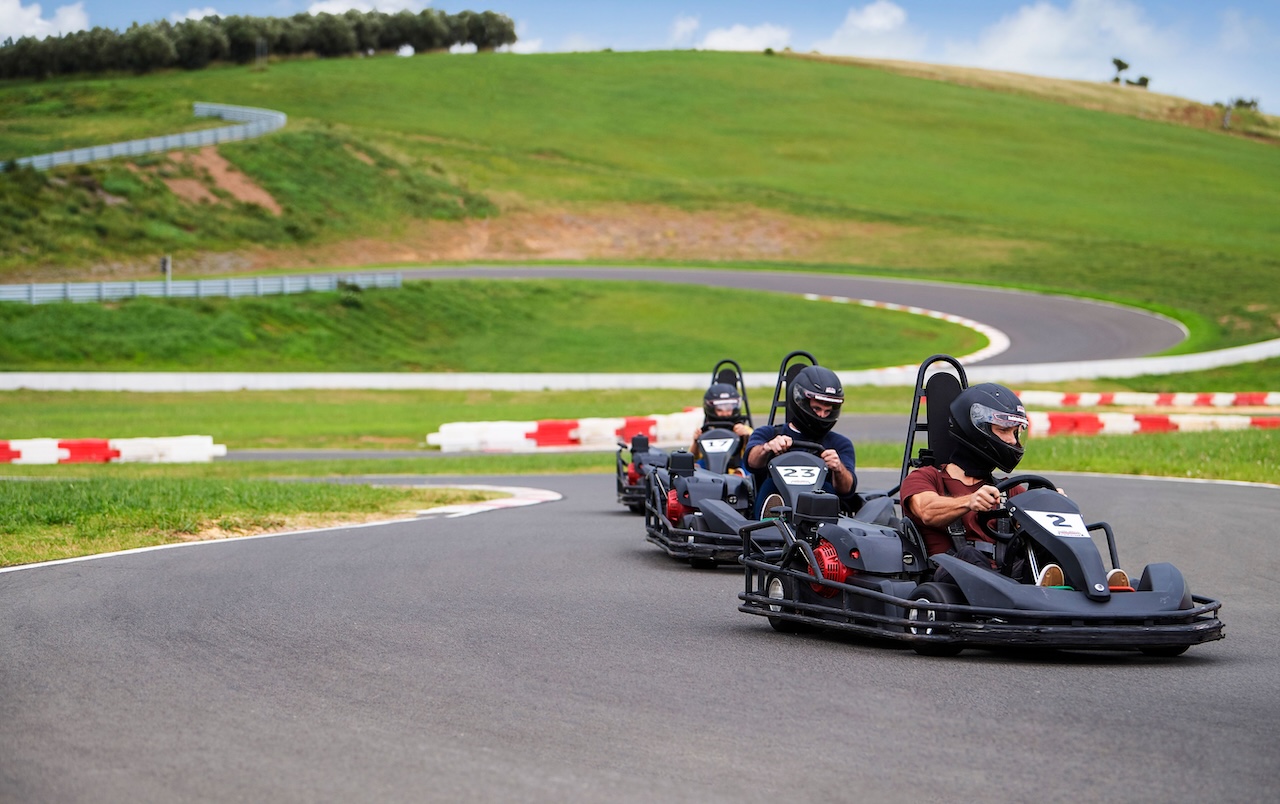
A quick 10-minute drive from the new airport is Luddenham Raceway, an attraction that’s perfect for adrenaline junkies. Sydney’s only motorsports complex delivers high-octane fun in a relaxed setting, allowing everyone from first-time drivers to competitive racers to zoom along the track.
Enjoy a day of go-karting at Luddenham Raceway. Photo: Destination NSW
Whether you’re hitting the challenging 600m outdoor go-kart track for some friendly competition or taking on the 1.4km pro circuit—with its elevation changes and technical corners—for some serious car, bike, or drift racing, this is the ultimate taste of local automotive culture and speed.
4. Penrith Regional Gallery
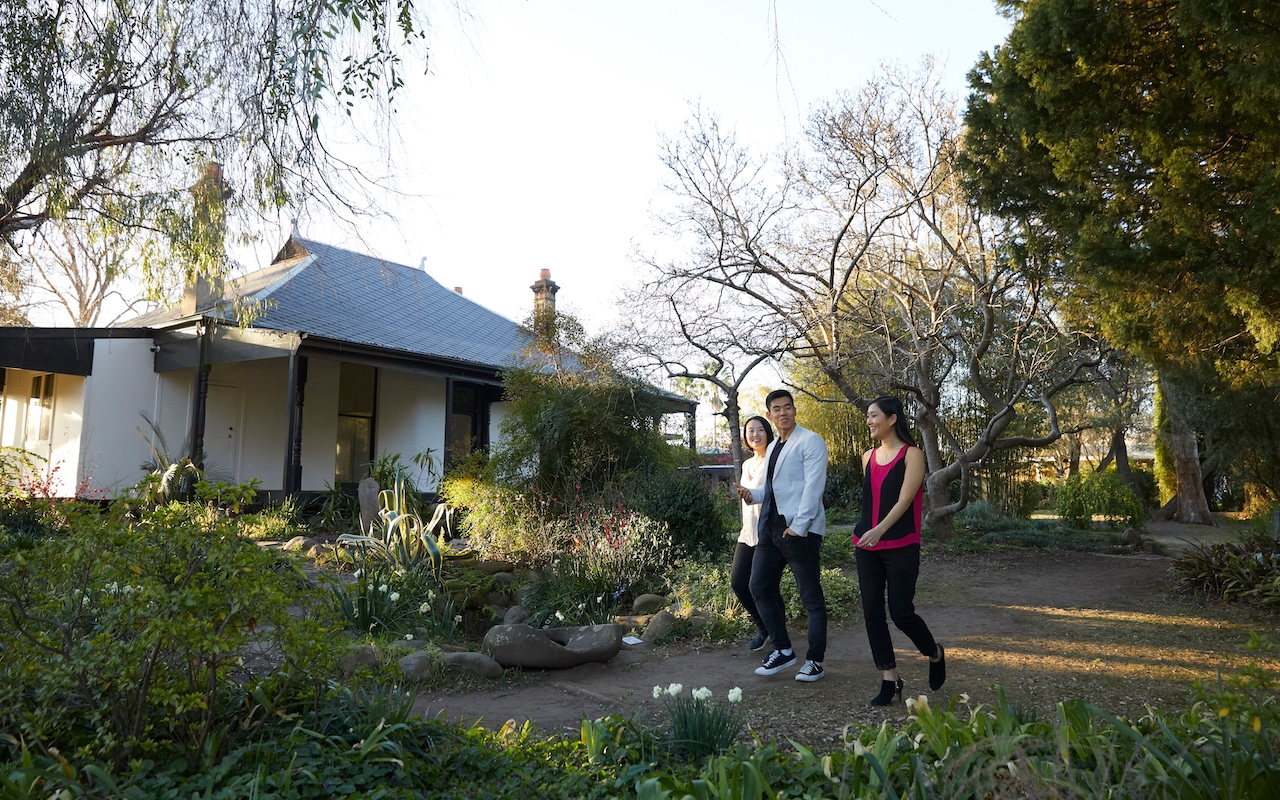
In the mid-20th century, Australian artists Gerald and Margo Lewers helped usher the modernism movement into the local art scene. Now, their former home, a beautifully restored 19th-century mansion, is Western Sydney’s leading contemporary art destination.
Nestled along the Nepean River, the gallery presents a dynamic programme of exhibitions featuring Australian and international artists, set alongside heritage interiors, tranquil sculpture gardens and a scenic café. Less than 30 minutes from the Western Sydney International Airport, this is a great spot for a quick cultural hit.
5. Western Sydney International Airport Experience Centre
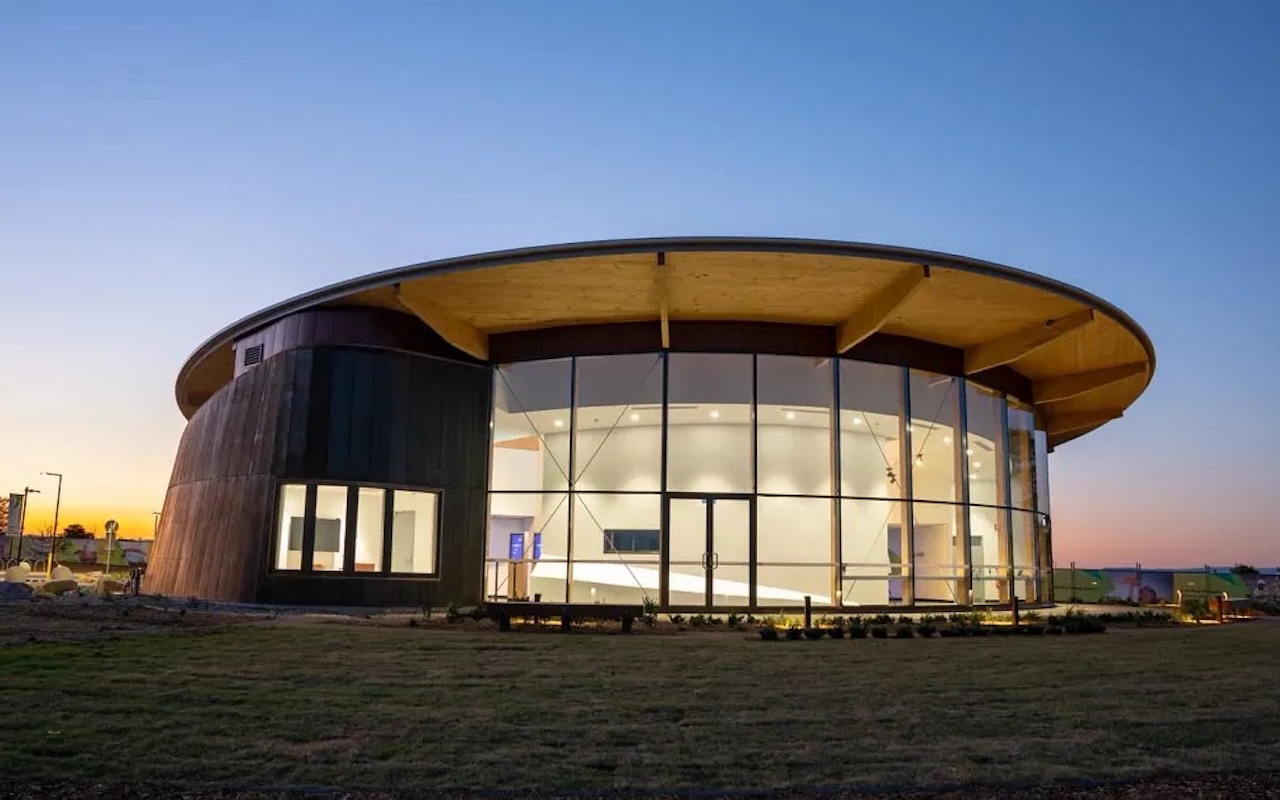
If you’ve got some time to kill before or after your flight, this dedicated centre – located a stone’s throw from the Western Sydney International Airport – offers engaging insight into one of Australia’s biggest infrastructure projects.
Learn more about the smart features at Western Sydney International Airport here. Photo:
Visitors can learn about the development of the country’s first smart airport through interactive displays, models, and multimedia presentations, exploring the project’s impact on the region and its people. While it’s free to enter, the centre is only open Tuesdays to Fridays, so plan accordingly.
6. Hawkesbury Regional Museum
Set in historic Windsor—one of Australia’s oldest settlements, after Sydney and Parramatta—this museum precinct is an immersive look into the early days of colonial life. Drive just over 45 minutes to the museum and delve into the social history of the Hawkesbury Region through semi-permanent displays and curated exhibitions. Immerse yourself in the culture of the land, river, and people through objects from the Hawkesbury Historical Society.
A popular highlight is Howe House, an elegant Georgian home built in 1820, still furnished with nostalgic, period details. Visitors can also embark on self-guided audio walks along the Dyarubbin, the Hawkesbury River, learning stories of the native Dharug people, colonial settlement, farming and development.
7. Macquarie Arms Hotel
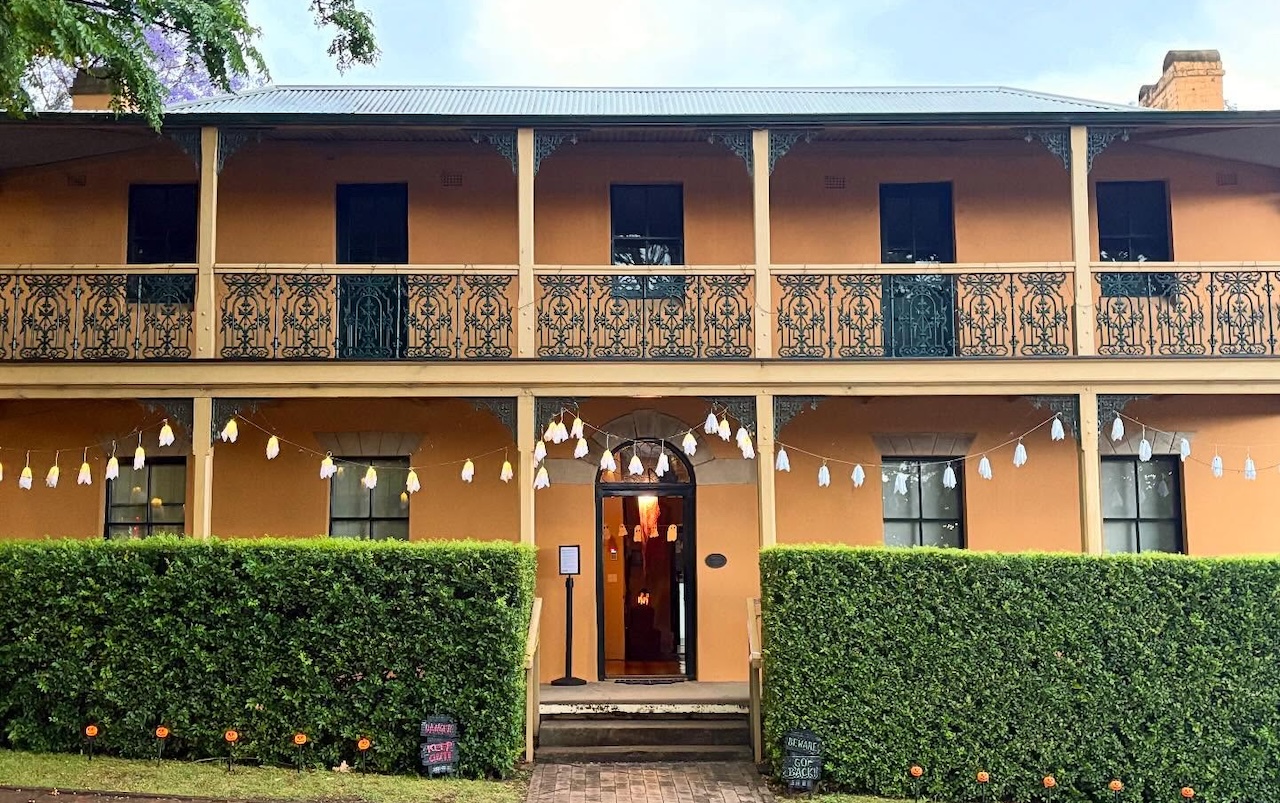
Dating back to 1815, this watering hole on Windsor’s Thompson Square holds the distinction of being Australia’s oldest surviving inn structure. Created by emancipist Richard Fitzgerald at the behest of Governor Lachlan Macquarie, the heritage-listed building still boasts its classic Georgian façade and historic interiors that evoke early colonial Australia.
Over the years, it housed garrisoned soldiers and even functioned as a private home. Today, it offers a traditionally Australian pub experience with local beers on tap and a menu of bar fare that includes burgers, steaks, pies, and parmigianas, all less than an hour from the new airport.
8. Georges River National Park
About halfway between Western Sydney International Airport and the Sydney CBD (about an hour’s drive from the new airport), this verdant national park is an idyllic spot for a few hours of family-friendly fun. The eponymous river that winds through the park offers opportunities for fishing, jet-skiing, kayaking and canoeing, for the adventure seekers.
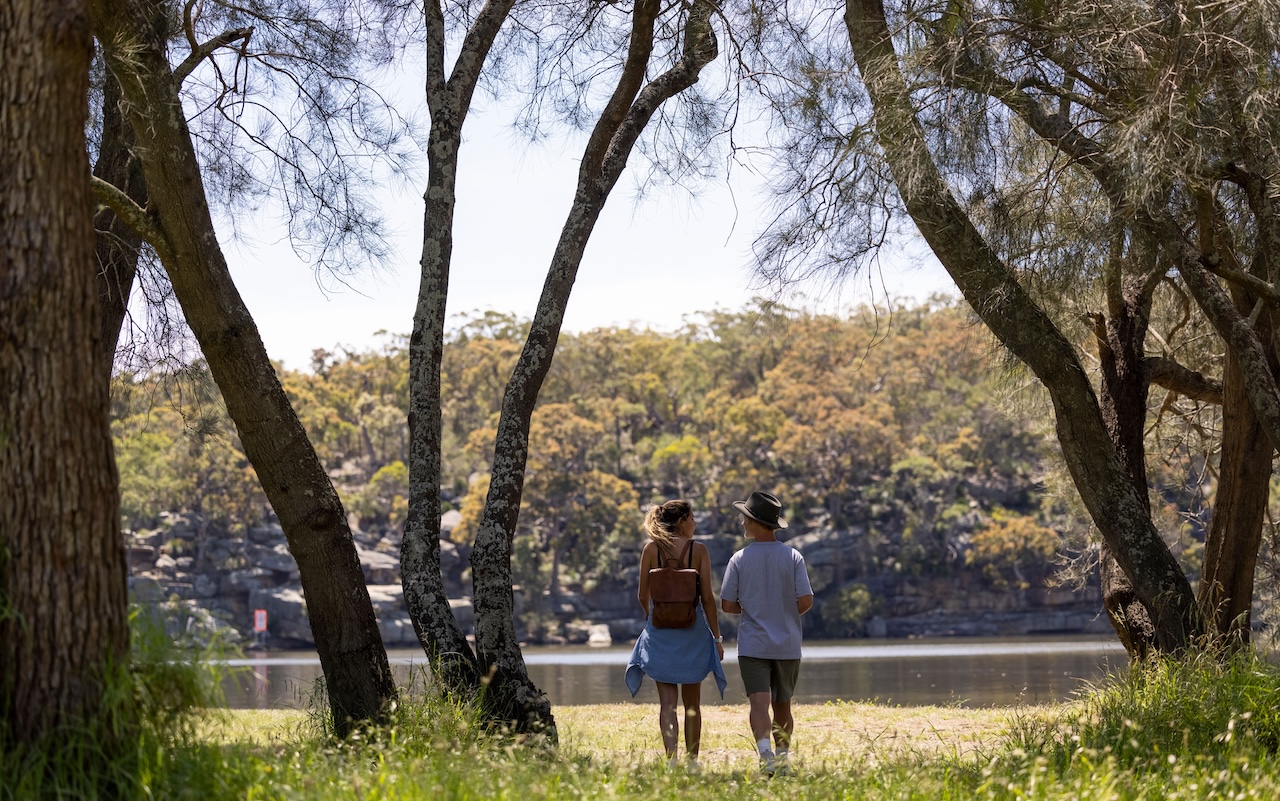
Couple enjoying the views across the scenic Georges River at Fitzpatrick Park, Georges River National Park in Picnic Point.
But visitors can also enjoy picnics at Burrawang Reach, Fitzpatrick Park and Cattle Duffers Flat, and gentle strolls along the Teramba Lagoon track for some birdspotting. See if you can spot pink robins or grey fantails, out of the 100 species of birds that make their home here.
Starting 23 November 2026, Singapore Airlines will operate daily non-stop flights between Singapore and Western Sydney International Airport. For more information on Singapore Airlines flights to Sydney, visit singaporeair.com.
Hangzhou has always been an unforgettable city. In the 13th century, the legendary explorer Marco Polo was so captivated by what he saw that he called it “the finest and most splendid city in the world”. The Chinese city rose to prominence as the capital of the Southern Song dynasty, transforming Hangzhou into a thriving hub of trade, art, and scholarship.
It’s easy to see how commerce and intellectual life have flourished; the serene West Lake has long inspired poets, painters and garden designers for centuries. And just beyond the lake, the misty rolling hills of the Longjing tea plantations are where some of China’s most prized tea continues to be produced.
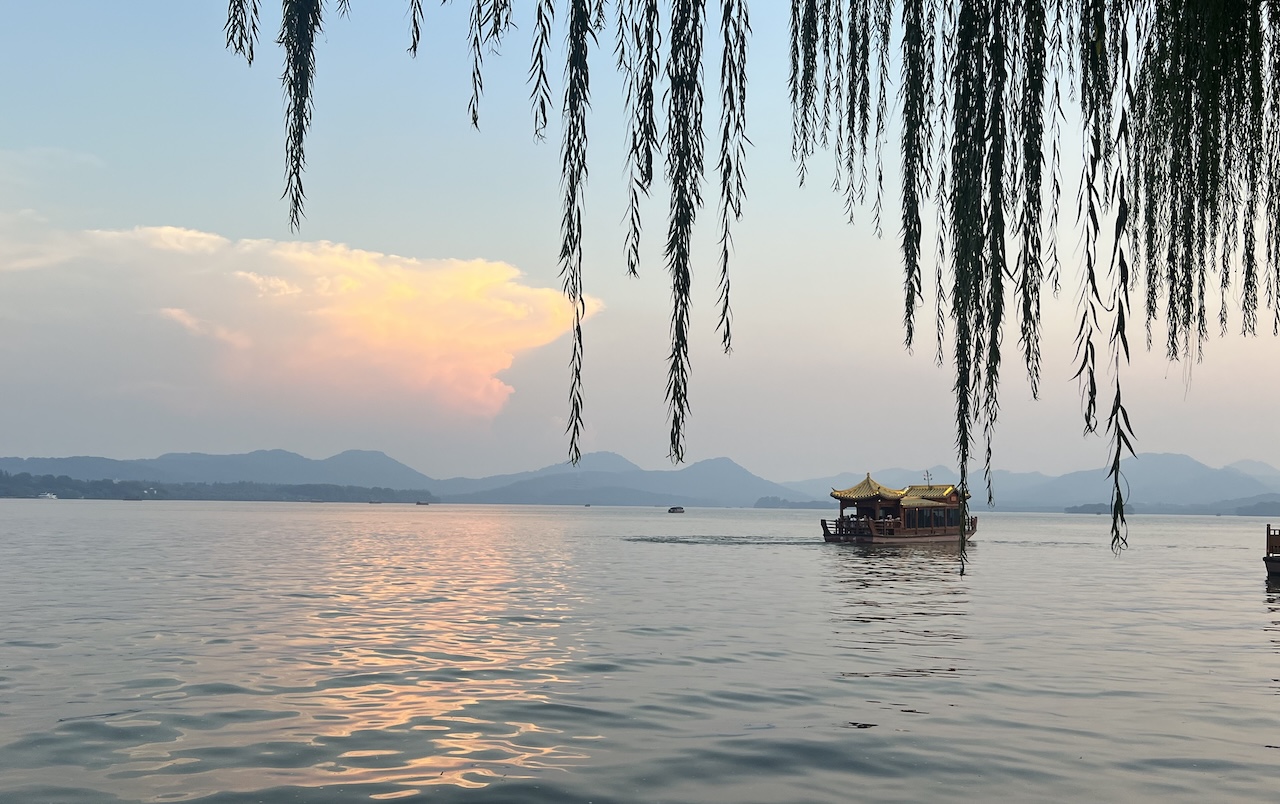
West Lake has inspired many poets with its breathtaking beauty, but there’s more to Hangzhou to discover. Photo: Karen Tee
Yet the city is far from frozen in time. Modern Hangzhou pulses with innovation as a hub for technology and entrepreneurship. Home to Alibaba’s sprawling campus, it is known as the e-commerce capital of China. It is also a rising hub for artificial intelligence and robotics companies, housing a new wave of buzzy start-ups like DeepSeek, Unitree Robotics, and Game Science.
From tranquil lakes and historic tea terraces to centuries-old artistic practices and cutting-edge tech, experience these three different facets of the city’s enduring charm.
The natural beauty of West Lake and tea plantations
No visit to Hangzhou is complete without immersing in the natural beauty that has defined its landscape: the serene waters of West Lake and the tea-scented hills of Longjing. The UNESCO-listed lake’s picturesque promenades, elegant stone bridges and lakeside pavilions unfold like scenes from classical Chinese paintings and invite leisurely exploration on foot or by boat.
You could circle the lake’s roughly 15km perimeter by foot on a gentle four- to five-hour walk that reveals shifting views of pagodas, gardens and lotus-filled inlets. For a different perspective, hop on a traditional wooden boat to glide across the lake’s mirror-like surface. Along the shores, it is common to see locals dressed in flowing hanfu robes, posing for photographs at scenic spots such as the Broken Bridge or along the tree-shaded Su Causeway.
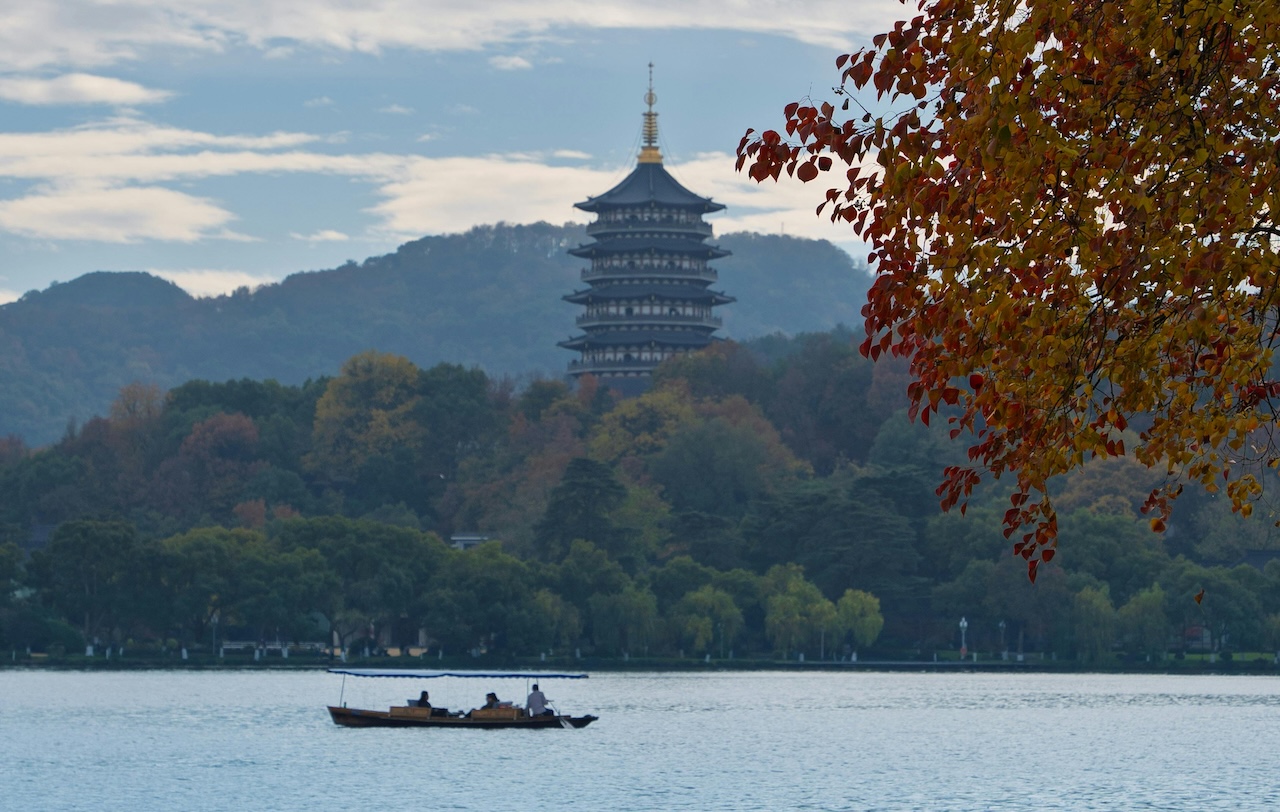
Photograph an iconic pagoda during a visit to West Lake. Credit: Four Seasons Hangzhou by Hangzhou Centre
By night, the lake becomes the enchanting backdrop for Enduring Memories of Hangzhou, an open-air light and music performance directed by Zhang Yimou which creates a dreamlike spectacle that draws on the region’s artistic traditions.
To enjoy the lake in a more private setting, check into Four Seasons Hangzhou at West Lake, which is situated on 17 acres of landscaped gardens right by the West Lake, with direct access to the water via a private dock. Designed in the style of traditional Jiangnan residences, its quiet courtyards and lily ponds blend seamlessly into this atmospheric landscape. The hotel can even arrange for a private local breakfast cruise on a traditional boat – a peaceful way to experience the lake’s misty landscape. Nearby, the recently opened Silk Lakehouse, Shangri-La, marks the debut of the group’s ultra-luxury Signatures brand, offering a contemporary counterpoint to the area’s historic charm.
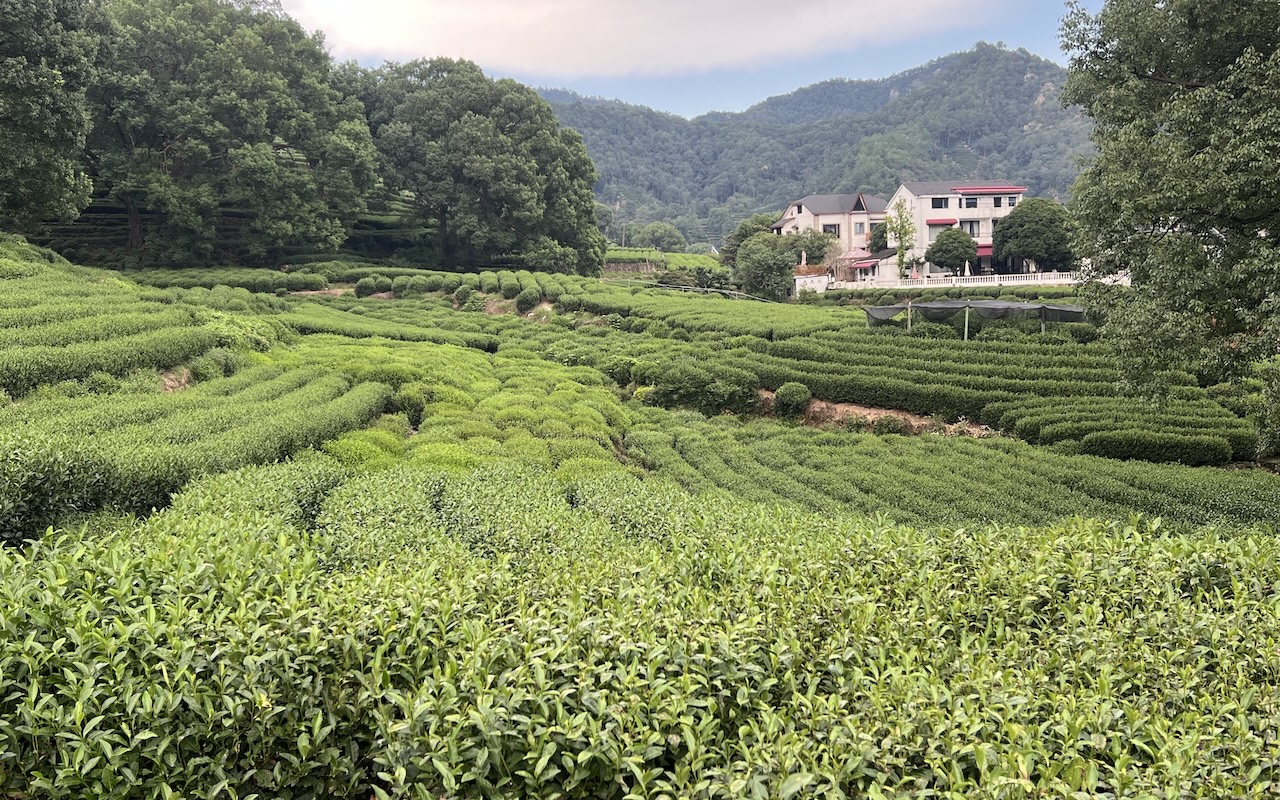
The hilly tea terraces of Longjing are only a short car ride away from the city. Photo: Karen Tee
Just 30 minutes by car, the rolling terraced tea plantations on the hills of Longjing are a popular half-day trip from the city. Best visited in early spring in February to March, during the tea harvest, the terraces fill with pickers gathering the season’s first tender leaves. At some tea houses or local farms, visitors can wander through the plantations or even try their hand at picking and pan-roasting the famed green tea themselves. Drop by a village teahouse to savour a fresh brew – there’s no better way to learn more about one of China’s most celebrated traditions.
The marvels of Song Dynasty elegance
During the Southern Song dynasty (1127–1279), Hangzhou rose to prominence as the imperial capital after the court retreated south from northern China. The city quickly developed into one of the world’s most sophisticated urban centres, where commerce thrived alongside scholarship and artistic refinement. Its prosperity was closely tied to the Grand Canal, the vast waterway linking Hangzhou to northern cities including Beijing, enabling a flourishing exchange of goods, ideas, and culture.
To explore this legacy, begin at the China National Silk Museum, the largest institution in the world dedicated to silk. Hangzhou has long been synonymous with this prized fabric and the museum traces its history through exquisitely preserved textiles, ancient weaving tools, and imperial garments that reveal the remarkable craftsmanship behind China’s silk traditions. The Zhejiang Provincial Museum offers further insight into the intellectual life of the era, with collections of ceramics, calligraphy, and paintings that reflect the aesthetic ideals cultivated during the Song dynasty.
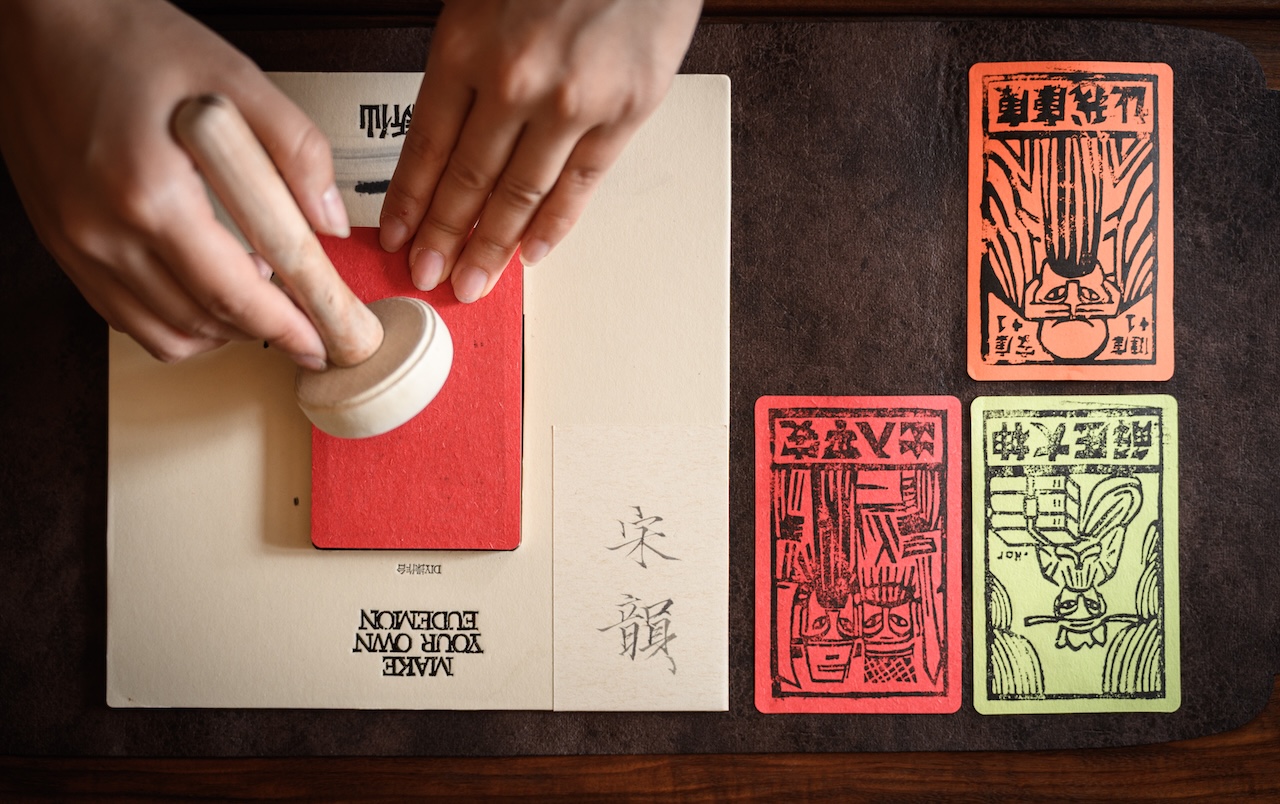
Experience Hangzhou’s ancient art of woodblock printing. Photo: Four Seasons Hangzhou West Lake
For more tactile encounters, venture to Qiaoxi district along the canal, where restored warehouses now house various art museums and galleries. The Workmanship Demonstration Pavilion offers workshops on traditional crafts such as bamboo weaving or umbrella painting. At Four Seasons Hangzhou at West Lake, guests can also participate in cultural experiences like woodblock printing or tea whisking sessions.
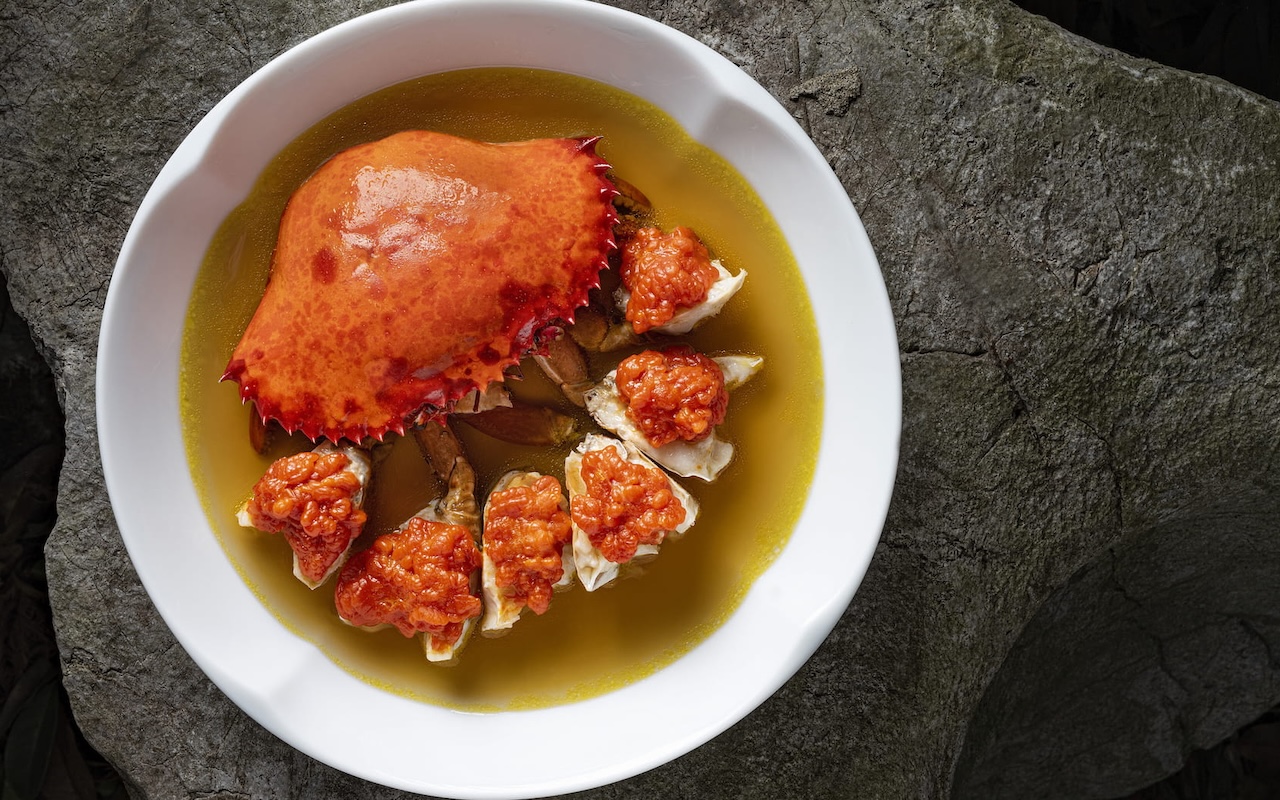
Gastronomy flourished in Hangzhou during the Song dynasty, when teahouses and restaurants became central to urban social life. Savour this culinary heritage at the one-Michelin-starred and Black Pearl three-diamond restaurant Jin Sha, where senior executive Chinese chef Wang Yong presents elegant Jiangsu-Zhejiang cuisine using seasonal local ingredients paired with an extensive tea list, premium wines, and traditional Chinese yellow wine (huangjiu).
Jin Sha presents Jiangsu-Zhejiang cuisine using seasonal local ingredients. Photo: Four Seasons Hangzhou West Lake
For a taste of tradition, the historic Lou Wai Lou remains one of Hangzhou enduring culinary institution. Overlooking West Lake, the 178-year-old restaurant’s regional classics, including Dongpo pork, beggar’s chicken and West Lake carp, are stalwarts of Hangzhou’s culinary identity.
The buzzing centre of modern design
Over the past two decades, Hangzhou has transformed into one of China’s most dynamic technology hubs. This cosmopolitan sensibility is reflected in the city’s architecture, hospitality, and retail landscape. The gleaming towers of Qianjiang New City define the modern skyline, anchored by the iconic golden-domed Hangzhou International Conference Centre. Each evening, the district comes alive with large-scale light shows, where projections ripple across the surrounding skyscrapers creating a visual spectacle not to be missed.
Hangzhou’s modern city skyline offers quite the view. Photo: Shutterstock.com
While the retail scenes in Shanghai and Beijing often draw the most attention, Hangzhou holds its own with a strong lineup of shopping destinations. Hangzhou Tower remains the city’s long-standing luxury landmark, housing an impressive roster of international fashion houses. Nearby, Hangzhou Centre caters to a younger crowd with its mix of global brands and rising Chinese designers, including handbag label Songmont. Close to West Lake, the stylish Hubin Yintai In77 retail district combines open-air plazas with contemporary storefronts that create a lively lakeside shopping quarter.
The hospitality scene is evolving just as quickly, with the arrival of Four Seasons Hotel Hangzhou at Hangzhou Centre, which brings sleek contemporary design and elevated dining to the city’s commercial heart, and lifestyle hotel Canopy by Hilton Hangzhou. Several high-profile openings are also on the horizon, including Rosewood Hangzhou and Mandarin Oriental Hangzhou.
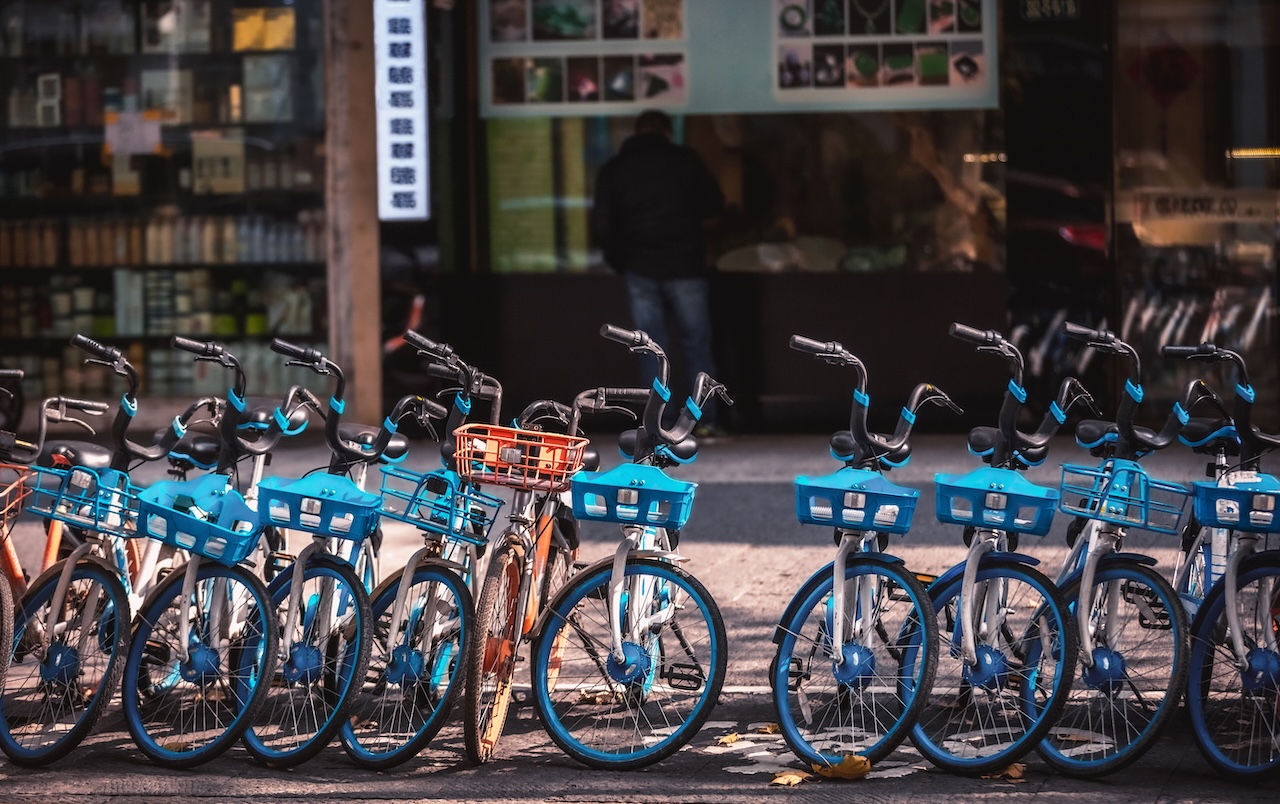
Rent an electric bike and see the city like a local. Photo: Shutterstock.com
Technology, meanwhile, subtly shapes daily life. Hangzhou was one of the earliest Chinese cities to adopt large-scale bike sharing through platforms such as Alipay and Hellobike, and today it boasts one of the world’s most extensive networks. For residents and visitors alike, the bikes offer an easy way to move between neighbourhoods, office towers and lakeside promenades: a simple reminder that here, innovation works best when it quietly enhances the rhythms of daily life.
Singapore Airlines will begin flights to Hangzhou International Airport in June 2026. For more information on Singapore Airlines’ flights to Hangzhou, visit singaporeair.com.
Brisbane and its surroundings combine outdoor adventure with ease, safety and a year-round subtropical climate – a rare mix that makes it simple for parents to plan travel activities. Kids can climb the iconic Story Bridge for sweeping views, enjoy seasonal whale watching and fun animal encounters or paddle in the calm waters of the Brisbane River. For families who like their holidays sprinkled with wonder and thrill, these five adventures will show you why Brisbane is paradise for all-ages fun.
An accessible bridge climb
The Story Bridge has long defined Brisbane’s skyline, and for visiting families, it can become an unforgettable shared achievement. One of only a few bridge climbs in the world, the Story Bridge Adventure Climb delivers a guided ascent that is not merely thrilling but thoughtfully designed for children and multi-generational groups. Operating from a lively riverside hub packed with family-friendly dining, the experience begins from the vibrant waterfront, with a gentle, confidence-building trek to the summit.
Share thrills with children as young as six as you scale The Story Bridge. Photo credit: Priyanka Agarwal
Climbs run throughout the day, with the sunset ascent offering a particularly magical reward for younger adventurers. Each journey reveals sweeping 360-degree views that spans Moreton Bay, the Glass House Mountains and the distant Scenic Rim (a geography lesson beyond the classroom). If the timing is right, you may even spot a plane gliding overhead as the city lights flicker to life, a cinematic moment that makes for memorable photo ops.
Children as young as six can take part, provided they meet the 110cm minimum height and are accompanied by an adult, making this one of the few true “big adventure” experiences open to primary-school-aged travellers. The climb lasts approximately 1.5 to 2 hours, paced to keep young climbers engaged without overwhelming them. Expert guides excel at reading the group, and blend safety briefings with engaging stories about Brisbane’s history and hidden corners, ensuring children feel included rather than merely supervised.
Accessibility is equally impressive: it is the only wheelchair-accessible bridge climb in the world, sealing its reputation as one of the most inclusive major attractions anywhere.
Whale watching on the Gold Coast
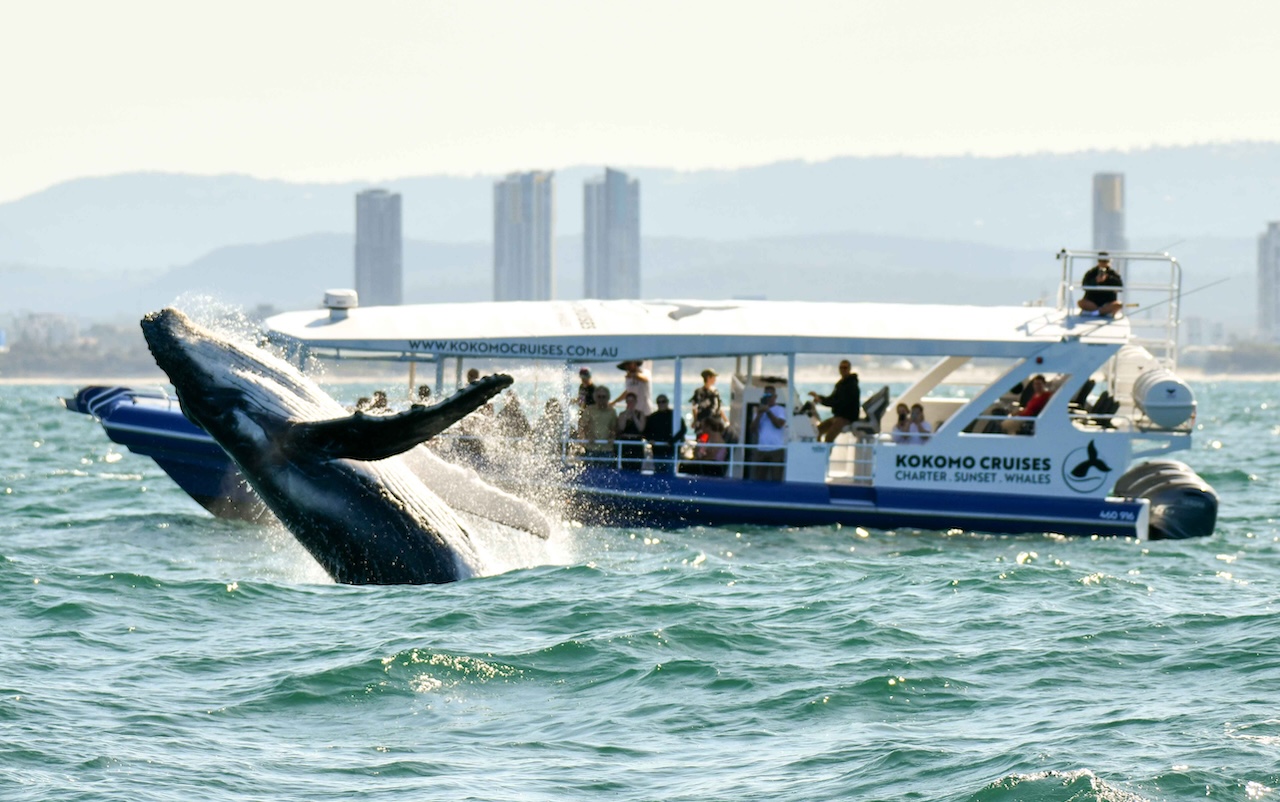
Just an hour south of Brisbane, the Gold Coast is home to an extraordinary natural spectacle: the annual humpback whale migration. Between July and September, humpback whales travel along the so-called “whale highway”, passing remarkably close to shore. For families, a tour with family-run operators like Kokomo Cruises is an outing that feels equal parts expedition and a living ocean classroom, with frequent sightings of sea turtles, dolphins, fish and seabirds. Have your cameras ready; children, in particular, have a knack for spotting fins before the adults do.
Whale watching can be an engaging and kid-friendly experience with the right tour group. Photo credit: Kokomo Tours
These intimate 2.5-hour tours are designed for young passengers aged three to 15, and the experience is structured to keep them engaged. With 360-degree viewing decks, little explorers can move safely around the compact vessel, scanning the horizon for telltale spouts while crew members share accessible, child-friendly insights into a whale’s behaviour and marine ecosystems.
Departing from the marina, the custom-built vessel reaches deep migratory waters in roughly 20 minutes. Look out for the electrifying moment a humpback surfaces beside the boat, exhaling a mist of salt and sunlight. Witness mothers guiding calves, males breaching in spectacular arcs or pods slapping fins in playful communication, all against the mesmerising Gold Coast skyline. Limited guest numbers ensure a calm, uncrowded atmosphere where families can spread out comfortably, and children can ask questions without hesitation. Crew members blend science with storytelling, turning the cruise into a gentle lesson for all ages on conservation and respect for ocean life.
Get up close with koalas and kangaroos
Australia’s wildlife is a source of endless fascination for children, and at Lone Pine Koala Sanctuary, families can meet more than 100 koalas and over 70 species of native Australian wildlife in a space that is just 12km from Brisbane’s CBD. Recognised as the world’s oldest and largest koala sanctuary, Lone Pine offers an experience that feels both intimate and expansive, a chance for children to observe Australia’s most iconic animals in thoughtfully designed habitats that prioritise welfare and education. Families can hand-feed free-roaming kangaroos, observe platypus in purpose-built habitats and attend keeper talks that transform curiosity into understanding.
See Australia’s wildlife respectfully up close. Photo credit: Lone Pine Koala Sanctuary
While koala cuddling is not permitted, close-up experiences and photography opportunities ensure the magic remains intact. The sanctuary’s layout is thoughtfully designed for families: think stroller-friendly walkways, plenty of changing rooms, shaded paths, rest areas and interactive zones that allow children of any age to explore at their own pace. Pro tip: Enhance your experience and get there via a 75-minute scenic cruise along the Brisbane River, available seven days a week.
Kayak along the Brisbane River
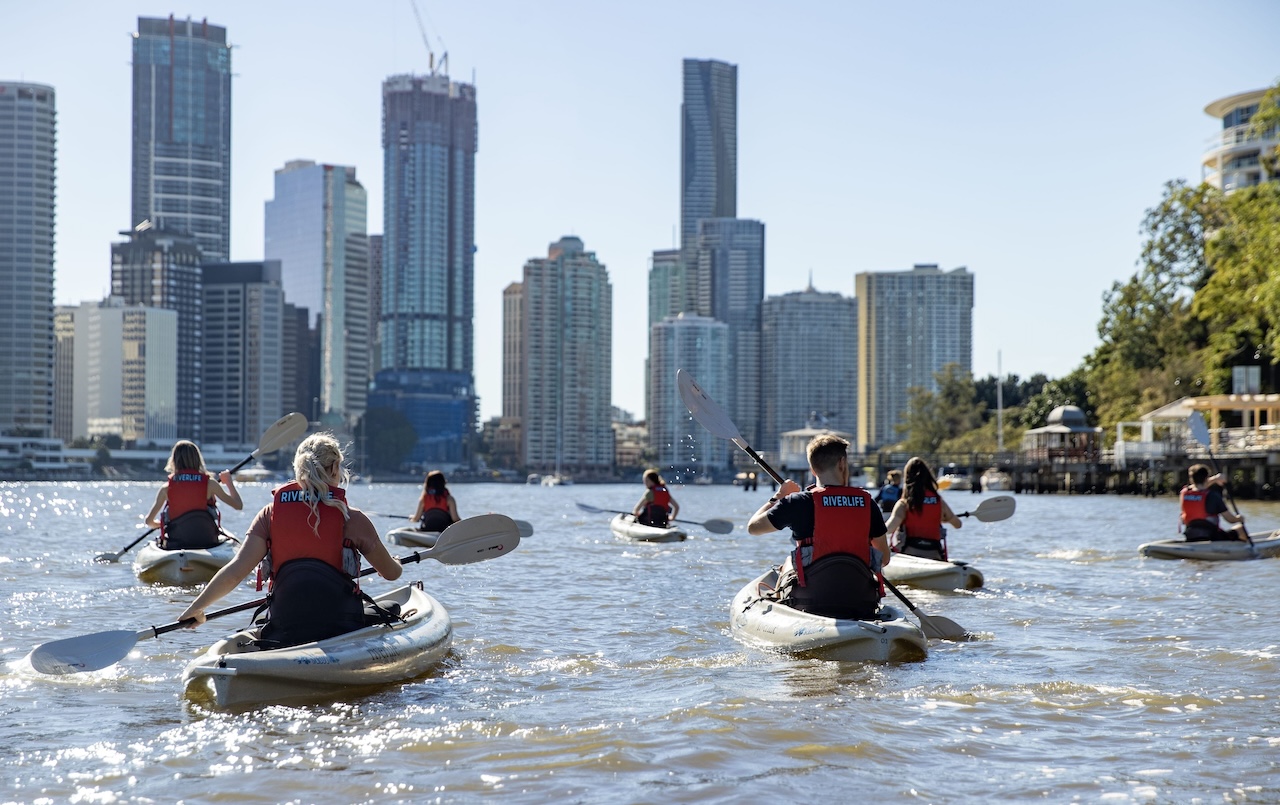
If the Story Bridge shows Brisbane from above, kayaking the Brisbane River invites you to glide through its heart. Kayakers as young as eight years old can join this adventure – an arm workout and views are guaranteed. Beneath the Kangaroo Point Cliffs, Riverlife offers guided day and twilight kayak tours that reveal the city from an entirely new angle. The pace is as relaxed or energetic as you prefer. No experience is necessary, and with full safety equipment provided, even non-swimmers can participate confidently.
Children as young as eight can enjoy this unique view of the city. Photo credit: Tourism and Events Queensland
After a short briefing, you set off into gentle currents, paddling towards the Story Bridge or along South Bank, with routes timed such that the tide assists your return. The views are quietly spectacular: heritage façades mirrored in the water, locals strolling river promenades and CityCat ferries gliding past with commuters. Finish within easy reach of Brisbane’s excellent riverside dining for a rewarding post-kayak meal.
Adventurous thrills on Moreton Island
If exhilaration is on your holiday agenda, Moreton Island (also known as Mulgumpin) awaits just a 75-min ferry ride from Brisbane. This is the third-largest sand island on Earth, and it boasts some of the world’s tallest coastal sand dunes that rise up to 90m. Adventure arrives in sun-soaked forms: sandboarding down the dunes, 4WD drives along beach “highways” and quad biking along shoreline tracks with Moreton Island Adventures.
At the Tangalooma Desert, thrill-seeking children as young as five can reach speeds of up to 40km/h on toboggan-style sleds, zooming down powder-fine slopes amid shrieks of delight and clouds of sand. Access to the island is straightforward via the MICAT ferry, allowing families to join guided tours for a variety of activities.
Quad biking and sand tobogganing are just some of the thrilling activities on Moreton Island. Photo credit: Tourism and Events Queensland
The island is ideal for a day trip or a longer stay to explore, hike, kayak and swim. Another bucket-list activity is hand-feeding wild bottlenose dolphins at sunset, with expert guidance for both day visitors and overnight guests. Despite being close to the city, the island feels remote: think turquoise waters, endless skies and a landscape shaped by wind and tide.
For more information on Singapore Airlines’ flights to Brisbane, visit singaporeair.com.
Ever since it was established as a fair for furniture makers and designers in 1961, Salone del Mobile (best known as Milan Design Week) has lured design lovers and those seeking creative inspiration alike. Championing craftsmanship and pioneering vision, it has grown rapidly, with more than 300,000 visiting the exhibition ground at Rho Fiera last year.
Part of Salone’s success is that it consistently updates itself and introduces new features. This year’s edition from 21-26 April, for example, will introduce Salone Raritas, opening the fair to limited-edition design and elevated creative manufacturing.
Cutting edge design showcased at Salone del Mobile. Photo: Andrea Mariani
Coinciding with kitchen design fair EuroCucina, and the International Bathroom Exhibition, Salone has expanded to include fringe events (Fuorisalone) throughout Milan, with industry parties, independent design exhibitions, open showrooms, workshops, talks, pop-up cafés and shops all thriving in the city.
Designers and brands often set their exhibits against the backdrop of Milan’s grand palazzi. Last year, for example, the Japanese watchmakers at Grand Seiko collaborated with designer Tokujin Yoshioka on “Frozen”, a sculptural club armchair carved from ice and displayed alongside the brand’s timepieces at the 16th-century terracotta Palazzo Landriani.
The pop-up exhibition Alcova will take place in part at Villa Pestarini. Photo credit: Luigi Fiano
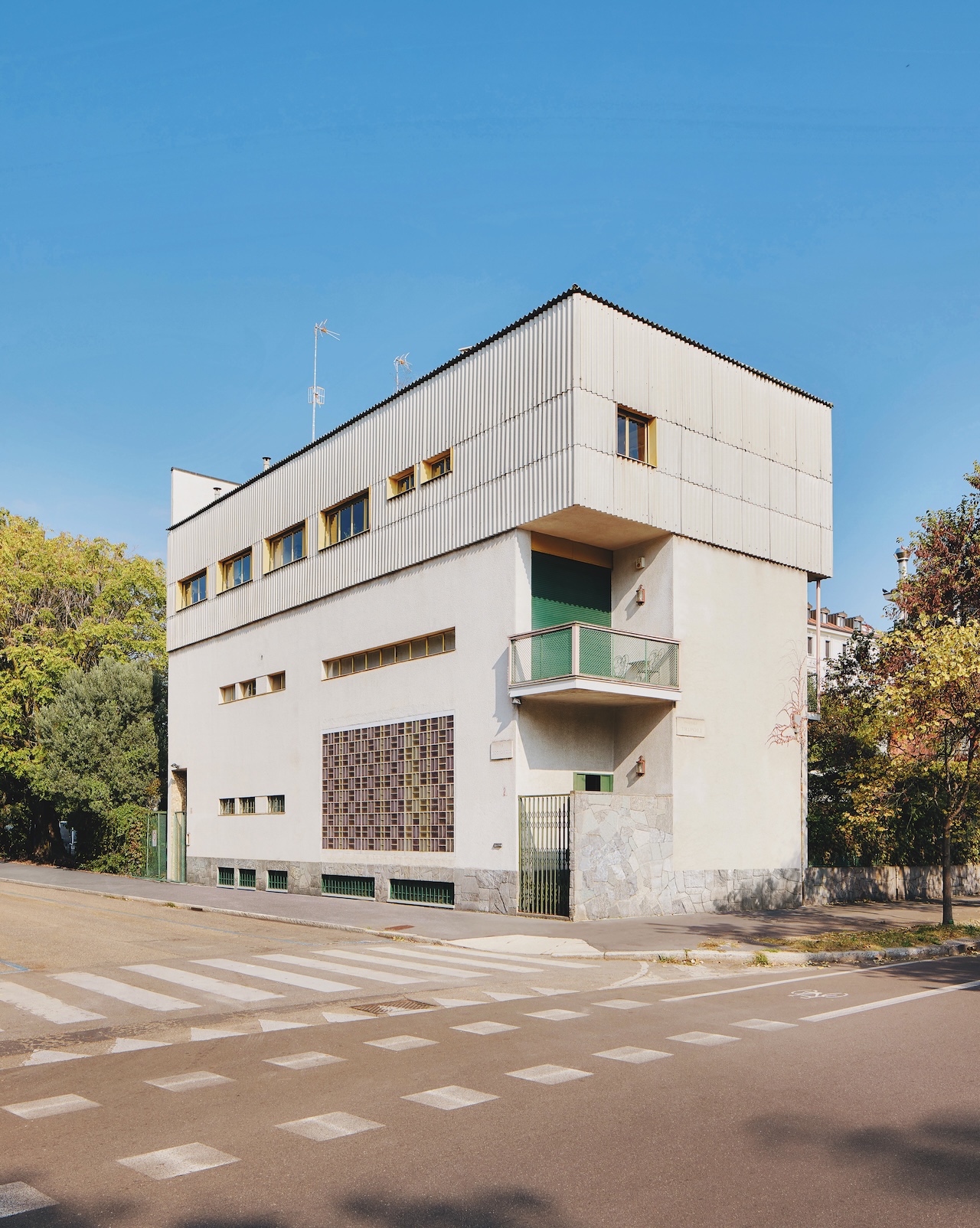
Likewise, Milan’s museums make the most of Salone. The Triennale Milano will have ongoing shows in April while pop-up exhibition, Alcova will take place at the old military hospital complex in Baggio and the Franco Albini masterpiece, Villa Pestarini.
Further adding to the joy of the festival are “design districts” like Brera, where you’ll find sculptural installations in quiet courtyards. Meanwhile, Tortona has its own design week during Salone and Isola, just north of Porta Garibaldi, has emerged as an area that tends to spotlight up-and-coming designers.
For more information on Singapore Airlines’ flights to Milan, visit singaporeair.com.
If you expect more from your holidays, Trafalgar should already be on your radar. Trafalgar is a travel company that takes you beyond the standard sightseeing, offering guided journeys designed to connect you deeply with people, places and cultures.
Memorable moments
According to Trafalgar, travel is not about where you go, but how deeply you connect. That is why its signature ‘Be My Guest’ experiences allow you to interact with locals in a sincere and meaningful way, share meals and learn the traditions at the heart of a destination. For example, the Spanish Wonder tour lets you savour sangria with locals in sun-dappled courtyards. You may also spend time at a family-run olive oil farm, learning how olives are grown, harvested and pressed before enjoying a tasting of their signature oils. “Tasting the oils at the table, surrounded by warmth and hospitality, felt like being welcomed into the heart of Spain,” Trafalgar guest Ripple Sim shares.
Trafalgar guests Ripple Sim and Jason Soo on a Be My Guest experience a family-run olive oil farm on their Spanish Wonder tour.
Meanwhile, the Scotland’s Highlands, Islands and Cities tour takes you to a 15th-century farm on the shores of Loch Ard, where you join the Wood family for a home-cooked Scottish lunch. Between stories of Rob Roy and the sounds of traditional ceilidh tunes, the experience offers a warm and personal glimpse into Highland life.
Ledard Farm, Scotland, where guests enjoy a traditional ‘Be My Guest’ Highland welcome.
Positive interactions
‘MAKE TRAVEL MATTER®’ Experiences are another highlight. Curated with care, each destination is chosen based on the positive social or environmental impact it has on local communities and on those who visit.
With the Best of Greece tour, you can visit Axion Esti, a family-run organic beekeeping facility in Stemnitsa. Here, you meet Sophia and Anthony and learn how their passion for bees has grown into an award-winning operation. Suit up to see the hives up close, explore the museum and sample local honey while discovering the importance of pollinators to the wider ecosystem. It is an enriching encounter that connects travellers to both people and place.
Guests take part in a ‘MAKE TRAVEL MATTER®’ beekeeping experience in Delphi, Greece.
Rooted in history
Trafalgar also offers ‘Stays With Stories’, unique accommodations that embody the character of a region. These are not simply hotels, but properties with a narrative woven into their walls.
On the Best of France tour, step back in time at Château de Beauvois in the Loire Valley, where you will learn about the château’s history dating from the 15th to 17th centuries. Once favoured by King Louis XIII, its terraces overlook manicured gardens and tranquil countryside. Inside, elegant rooms blend regal décor with modern comforts, allowing guests to experience the refinement of a bygone era without sacrificing ease. Evenings might be spent enjoying regional wines in the grand salon or dining beneath chandeliers, surrounded by centuries of French heritage.
Château de Beauvois, a historic Loire Valley retreat steeped in royal heritage.Go on a guided Walking Tour of Strasbourg on Trafalgar’s new Villages of France.
On the Secrets of the Rockies and Glacier National Park tour, stay at the world-famous Fairmont Banff Springs Hotel in UNESCO-listed Banff National Park, Alberta. Often referred to as the “Castle in the Rockies”, this landmark property was modelled after a Scottish baronial castle and has welcomed guests for more than 130 years. Over the decades, dignitaries and celebrities, including Marilyn Monroe, have graced its halls. Today, travellers can admire its striking architecture, learn about its storied past and wake to sweeping views of soaring peaks and pine forests. It is a setting that feels both majestic and deeply connected to the natural beauty that surrounds it.
This is the famous spot in Banff called “Surprise Corner”.
Wherever you plan to visit this year, Trafalgar will help you do it with meaning. With the best cultural insights and most authentic experiences, you can go beyond the bucket list.
Visit trafalgar.com to discover travel that truly connects.
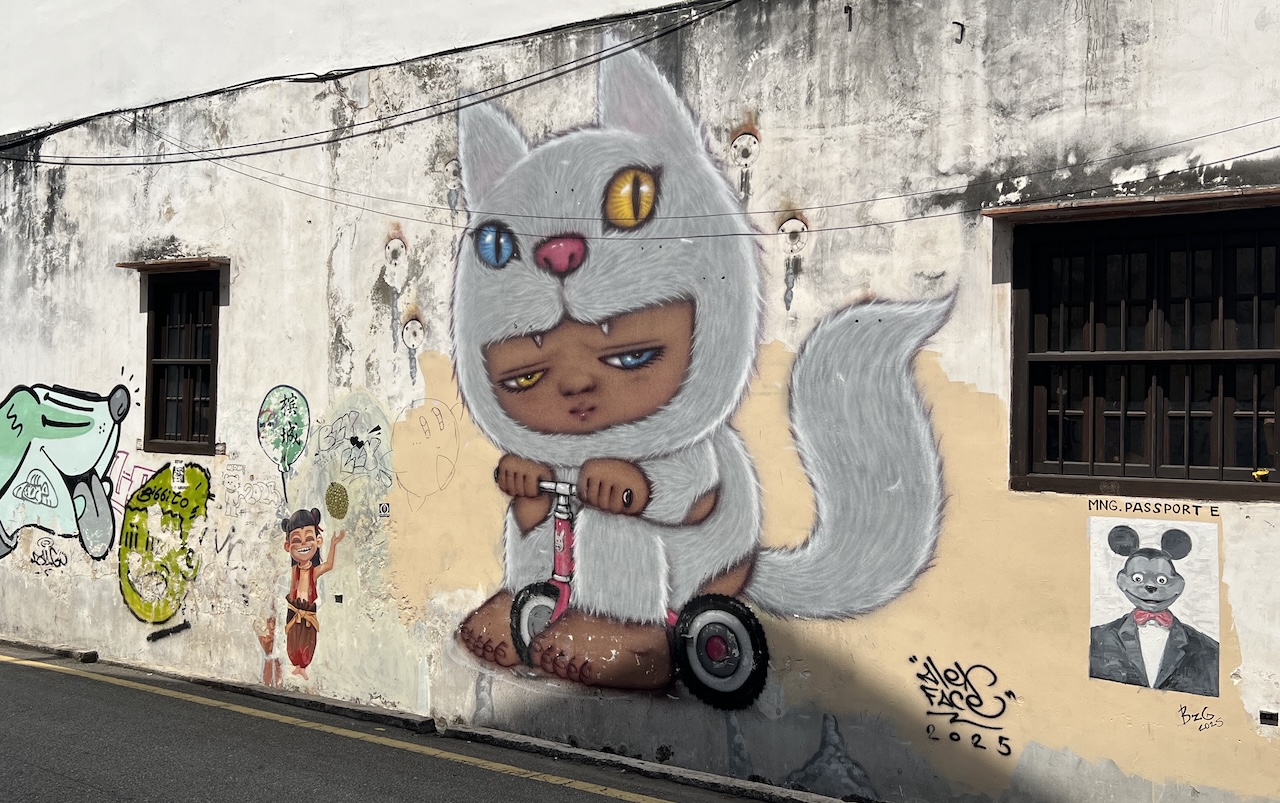
George Town in Penang is best known for its Instagram-friendly street art and legendary hawker fare. But linger a little longer and you’ll find that this UNESCO World Heritage Site is very much a place where culture, tradition and heritage continue to unfold in everyday life.
This is a district where centuries-old clan temples still host ancestral rites, where family-run shops keep traditional trades alive and where art forms such as Teochew opera and hand-puppet theatre exist not as performances for tourists, but as cherished community rituals. Chinese, Malay, Indian and Peranakan influences overlap with an easy familiarity, shaping a layered mix of architecture, beliefs and flavours that feels lived-in rather than curated.
Street art has become a hallmark of George Town. Photo: Karen Tee
Here are five ways to experience the living culture of George Town.
1. Delve into clan culture at Khoo Kongsi
In Penang, clan houses are not relics frozen in time. These were started several hundred years ago by southern Chinese settlers and functioned as mutual-aid societies and community spaces, anchoring new arrivals to kinship networks while they were far from home.
Today, many of them remain active social and spiritual centres, maintained by descendants of the Chinese immigrants who moved here several hundred years ago. Many clansmen still gather for festivals, celebrations, ancestral rites and community affairs like scholarship ceremonies. There are about five major clan houses in George Town with many smaller ones and some of them are open to the public (admission fees are applicable).
The striking architecture of Cheah Kongsi. Photo: Karen Tee
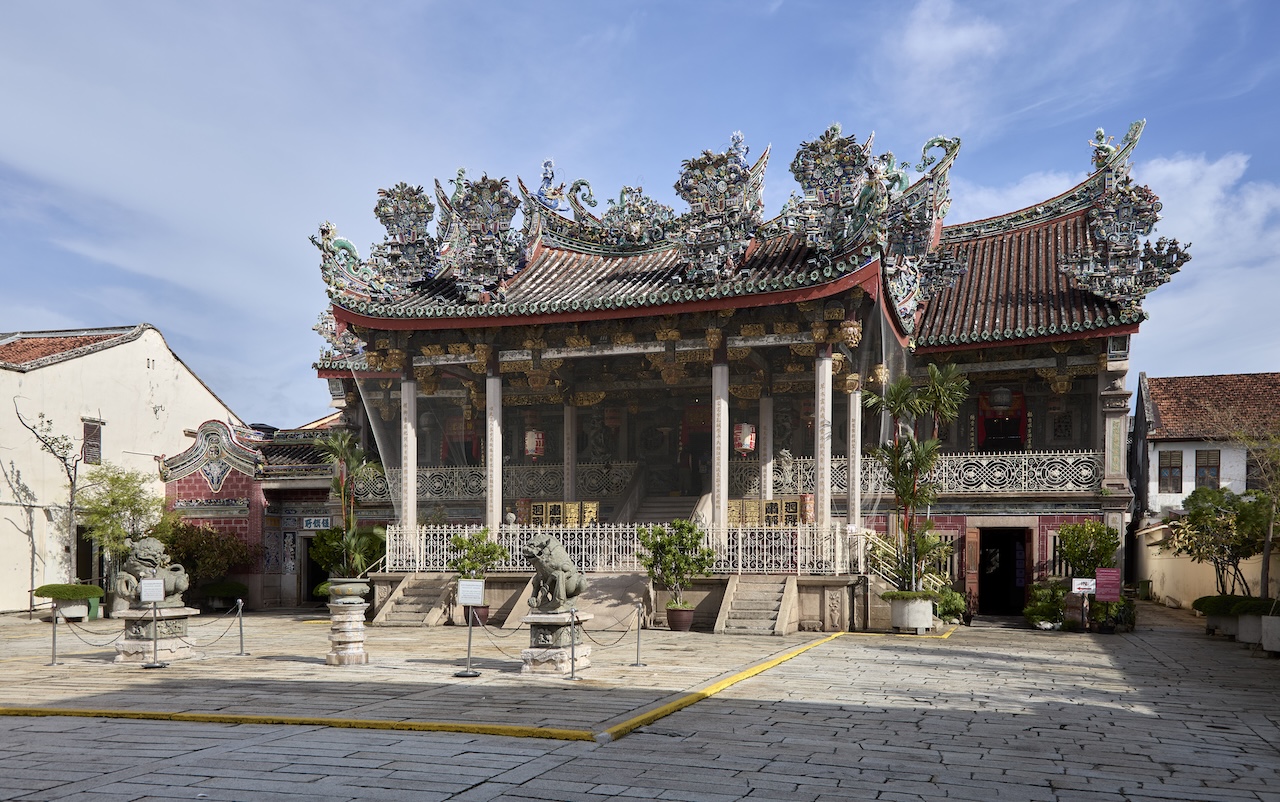
Khoo Kongsi (18 Cannon Square) is arguably one of the grandest, with a magnificent temple and opera stage tucked within the shophouse district of Cannon Street. The temple was rebuilt in 1902 after a fire and features an exuberant display of Southern Chinese craftsmanship, with intricate wood and stone carvings, wall murals, stone lions and roof ridges dense with symbolic figures.
Just around the corner is Cheah Kongsi (8 Lebuh Armenian), which features a unique architectural blend of Chinese, Straits and post-Independence styles, making it a truly one-of-a-kind building.
2. Learn about traditional performing arts at Teochew Puppet and Opera House
In George Town, you can quite literally wander into a full-blown opera performance mid-stroll — which is how I ended up lingering at a makeshift stage for half an hour after dinner, transfixed by the ornate costumes and face paint, stylised gestures and sky-high falsetto vocals cutting through the night air.
Teochew puppets and their colourful costumes on display. Photo: Karen Tee
For deeper context, visit the Teochew Puppet and Opera House (12 Lebuh Armenian), the only venue in Malaysia devoted entirely to Teochew operatic culture. Best known for its iron-rod puppetry, among Asia’s most intricate and expressive theatre forms, the space also houses a Teochew opera school and stages performances during special occasions. Run by a multigenerational family troupe and led today by fourth-generation opera performer Ling Goh, it offers a rare look at how a living art form continues to evolve with the times.
3. Explore the finer points of Peranakan heritage
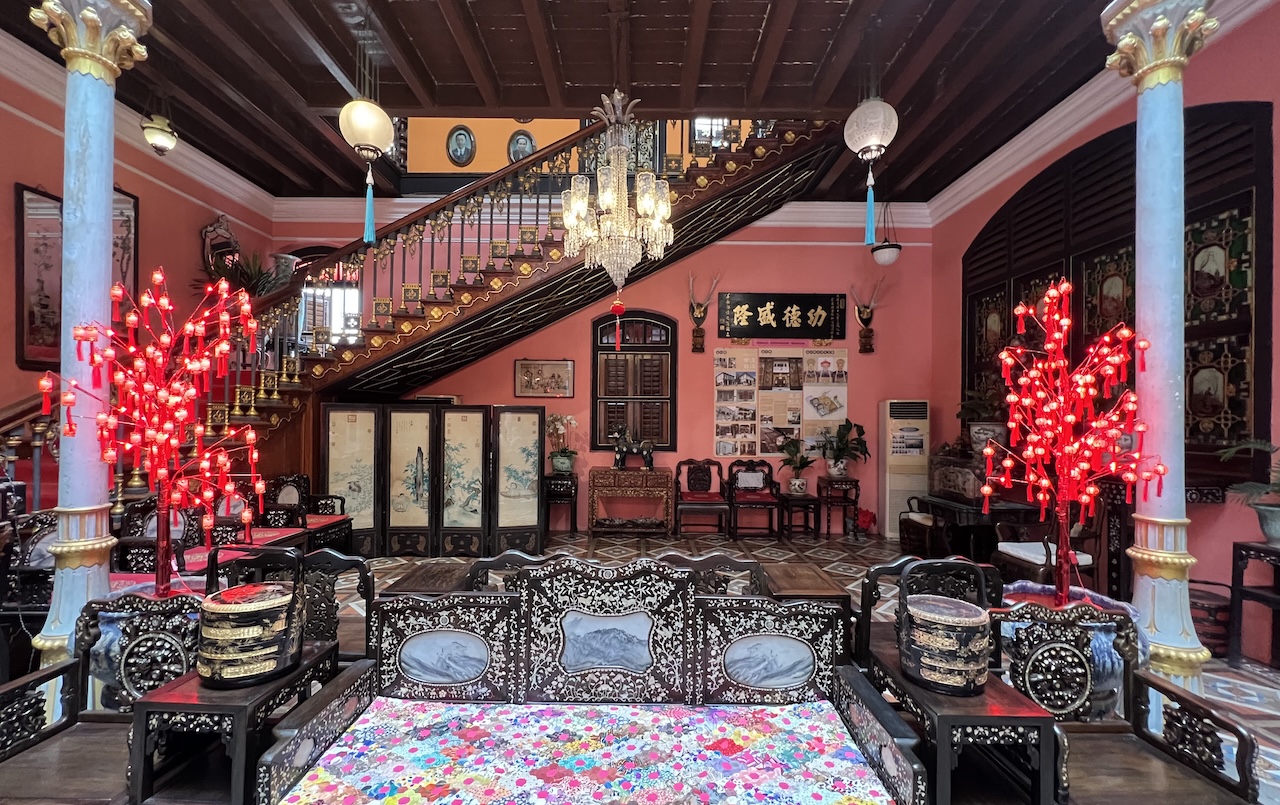
Peranakan or Straits Chinese culture arose from the intermarriage of early Chinese settlers with local communities, creating a unique blend of language, dress, cuisine and customs. The Pinang Peranakan Mansion (29 Church Street) recreates the opulent lifestyle of a wealthy Baba from a century ago, displaying over 1,000 antiques and collectibles. Housed in a restored, 19th-century Chinese courtyard house, the mansion is a classic example of the eclectic architecture typical of that era, from carved-wood panels and English floor tiles to Scottish ironworks.
The vibrant colours come to life at the Pinang Peranakan Mansion. Photo: Karen Tee
Rooms are furnished with period pieces, including a formal dining room, a lavish bridal chamber, and an opium-smoking hall, all adorned with European art, Ming porcelain, fine china and other decorative treasures, evoking the atmosphere of Peranakan life in the past. Fun fact: The mansion was a filming set for the 2008 Singaporean drama series The Little Nyonya.
4. Experience life in a shophouse at Soori Penang
There’s no better way to soak it all in than by staying at the heart of the action smack in the middle of George Town. The newest address to know is Soori Penang (48 Lebuh Aceh), a luxury boutique hotel set within 15 meticulously restored heritage shophouses, offering one- to three-bedroom suites. Where many boutique stays here lean heavily on vintage charm, Soori takes a different tack, reimagining traditional shophouse living through a refined, contemporary lens.
Lovingly restored, the new Soori Penang is a taste of old shophouse living. Photo: Soori Penang
Designed by Soo K. Chan of Singapore’s SCDA Architects, who was born and raised in these very shophouses, the hotel offers a thoughtful reinterpretation of local architecture. A restrained palette of wood, granite and travertine sets a quietly elegant tone, while hallmark shophouse elements such as central stairwells draw natural light into inner courtyards anchored by a reflective pool. The effect is deliberately unhurried, creating space for pause and contemplation in this historic town.
5. Discover the religious diversity of George Town’s places of worship
The multicultural and religious diversity of George Town is best experienced in person, where a remarkable range of places of worship sit just a stone’s throw from one another. Among the most compelling are the Thai and Burmese Buddhist temples across the road from each other, marking the arrival of these communities in Malaya in the 19th century.
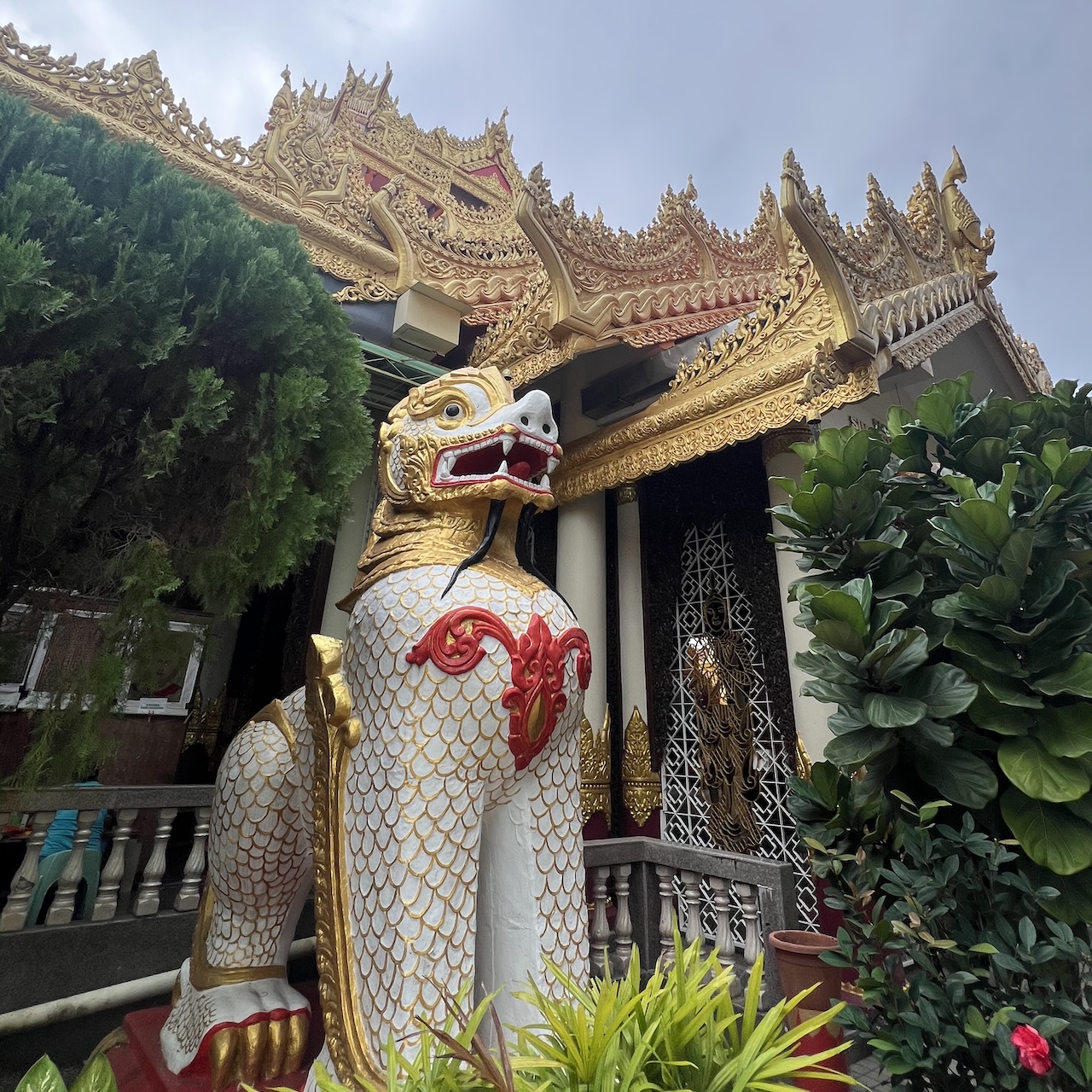
Wat Chayamangkalaram (110350 George Town) is home to one of the world’s largest reclining Buddhas, while the richly gilded Dhammikarama Burmese Temple (10250 Lorong Burma) is distinguished by its ornate stupas and intricate wood carvings. Both remain active centres for meditation, worship and religious festivals.
The striking Dhammikarama Burmese temple. Photo: Karen Tee
Nearby, the vividly ornamented Sri Mahamariamman Temple on Queen Street, Penang’s oldest Hindu temple, anchors Little India with daily rituals. It is also the starting point for the annual Thaipusam procession, when devotees carry kavadis adorned with body and facial piercings as acts of devotion. Because it often coincides with Chinese New Year, it is not uncommon to see Chinese devotees participating by offering prayers and offerings along the procession route.
Kapitan Keling Mosque (14 Lebuh Buckingham) is another familiar landmark with its gleaming domes and minarets. The call to prayer, heard at intervals through the day, carries atmospherically through the neighbourhood, anchoring the pace of daily life for anyone within earshot.
For more information on Singapore Airlines’ flights to Penang, visit singaporeair.com.
Situated on the top floor of the Daimyo Garden City complex, The Ritz-Carlton Fukuoka boasts 147 guest rooms and 20 suites that occupy five floors and look out over Hakata Bay. The hotel houses four restaurants, two bars, a 25m pool and an elegant spa sanctuary. The property’s central location makes it easy walking distance to many of Fukuoka’s main tourist spots including the city’s famous yatai food stalls.
Be sure to stop for a drink or two at Bay, the rooftop bar that in the warmer months, transforms into a buzzing night spot featuring breathtaking views of the city and an eclectic cocktail programme that is seasonally inspired by the region’s best produce. The food menu includes local specialities such as Karatomari Ebisu oysters farmed in Hakata Bay, or Mitsuse chicken and Itoshima pork. Genjyu, the hotel’s Japanese restaurant combines three culinary traditions – kaiseki, sushi and teppanyaki – and serves wagyu beef from Iki island and seafood from the Genkai Sea for an outstanding experience.
The hotel also offers unique and special cultural experiences for their guests. Their recently launched Hakata Magemono Experience is a rare, hands-on workshop where guests can make the uniquely oval-shaped bento boxes of the city. The artform is 400 years old and the experience is run by Tamaki Shibata, the city’s sole certified Hakata Megemono craftsperson and an 18th generation guardian of the art.
This boutique property of just 41 keys is nestled in the top two floors of the new One Fukuoka Building, conveniently located above the Tenjin metro station and the underground shopping mall. While small, the hotel is a destination unto itself, with excellent dining options and spacious, relaxing rooms that make for a great city escape.
The hotel features a mix of traditional design elements, like the latticed spaces and doors featuring a shinden-zukuri motif, as well as modern art showcasing vivid scenes of lightning. Rooms and suites include expansive views of Hakata Bay or the surrounding mountains with most offering separate sleeping and living areas as well as Japanese bathtubs, pyjamas and curated skincare. The items are so popular they are often purchased by guests (which can be done through their interactive TV system). The hotel also offers its own public bath (separate for men and women) and sauna on the top floor, the perfect way to relax after a day out shopping and sightseeing. Guests can check how busy it is through the TV system as well. The Library Lounge also makes for a peaceful space to rest, read and enjoy free coffee, tea, ice cream or light snacks throughout the day.
The signature King is a stay option that includes separate living and sleeping areas as well as a study with windows looking out into the corridor and the courtyard garden beyond. The unique concept offers more daylight with an easy option for privacy thanks to the window blinds.
For a boutique property, the hotel boasts four F&B outlets including The Café on the first floor, Wan Steak House on the 19th floor and The Roof and The Kitchen on the 18th floor. The Kitchen is a stellar option for quality Western and Japanese dishes that feature the best of the region’s excellent produce. The cocktail programme changes with the seasons and with equally sophisticated mocktail options on the menu.
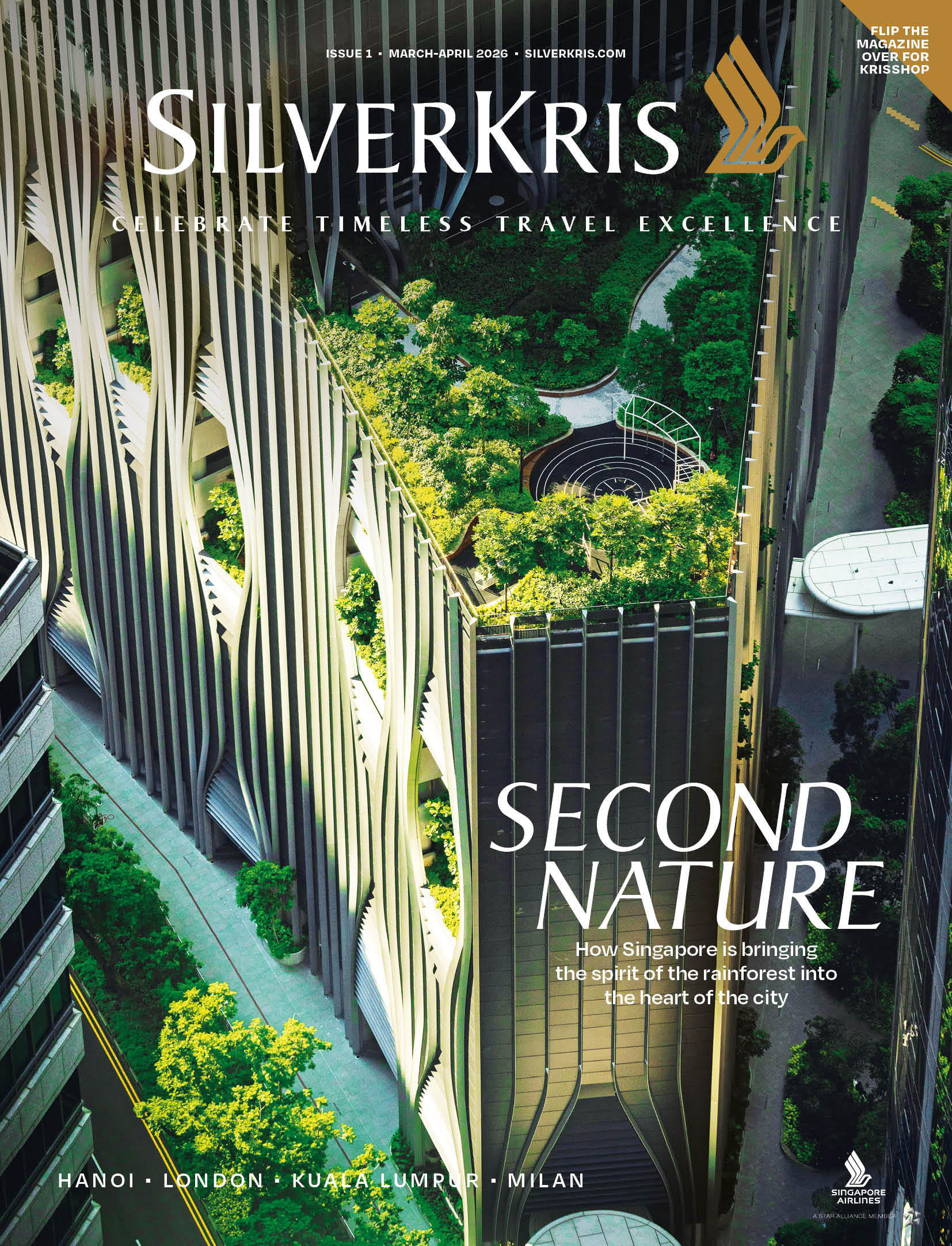
SilverKris, the inflight magazine of Singapore Airlines, returns to print from 1 March 2026 and will once again be available in seat pockets across the airline’s global network. The March-April 2026 edition marks the publication’s first printed issue since April 2020, when seat-back literature was temporarily moved to digital formats during the pandemic.
The refreshed physical magazine is presented as a twin-cover publication alongside KrisShop, allowing customers to enjoy travel editorial content while browsing a curated range of inflight retail products in a single unified magazine. The reintroduction complements the airline’s existing digital e-Library on the SingaporeAir mobile app, catering to passengers who prefer both printed and digital reading experiences.
Click on the image to view the magazine in PDF
In this SilverKris issue, readers journey from Singapore’s evolving green skyline to the creative energy of Milan Design Week and the restorative corners of Bangkok.
The magazine also goes behind the scenes of the Singapore Airlines experience, featuring the cabin crew who shape the inflight journey and the chef behind the airline’s onboard dining. Additional features include the new Singapore Airlines First Class SilverKris Lounge at Changi Airport Terminal 2, emerging inflight technologies and a profile of a Singapore-based rising star at OpenAI.
Destination features further explore Hanoi through its sounds and scents, while Kuala Lumpur is highlighted for its dining and architecture.
Printed on FSC-certified paper and supported by recycling initiatives for retired copies, the March-April 2026 issue of SilverKris is now available onboard Singapore Airlines flights, with digital editions continuing to be accessible via the SingaporeAir mobile app.
As wellness tourism continues to evolve, spas around Asia are reaching deep into their traditions, and combining them with the latest technology to create experiences that deeply affect their guests. These creative developments have turned spa treatments into intentional experiences that relax both body and mind with a lasting effect on guest wellness.
Simon Cameron, CEO of Lightfoot Travel which specialises in exclusive experiences and travel opportunities, notes that clients have increasingly looked beyond traditional spa spaces in their search for health and relaxation. “Our clients are drawn to wellness retreats with state-of-the-art facilities that work closely with qualified doctors and specialist practitioners,” he notes. “We frequently receive requests for advanced diagnostics such as sleep analysis, metabolic and gut testing, immunity support, anti-ageing therapies and physical recovery treatments.” He adds that this pursuit of wellness tends to extend beyond the holiday as well, with many clients focusing on making sustainable, long-term lifestyle changes with an emphasis on longevity and health optimisation.
With that in mind, its worth considering these five new treatments, launched this year at some of Asia’s top wellness-focused hotels, the next time you need a reset.
Fukuoka: The Spa at The Ritz-Carlton Spa, Fukuoka
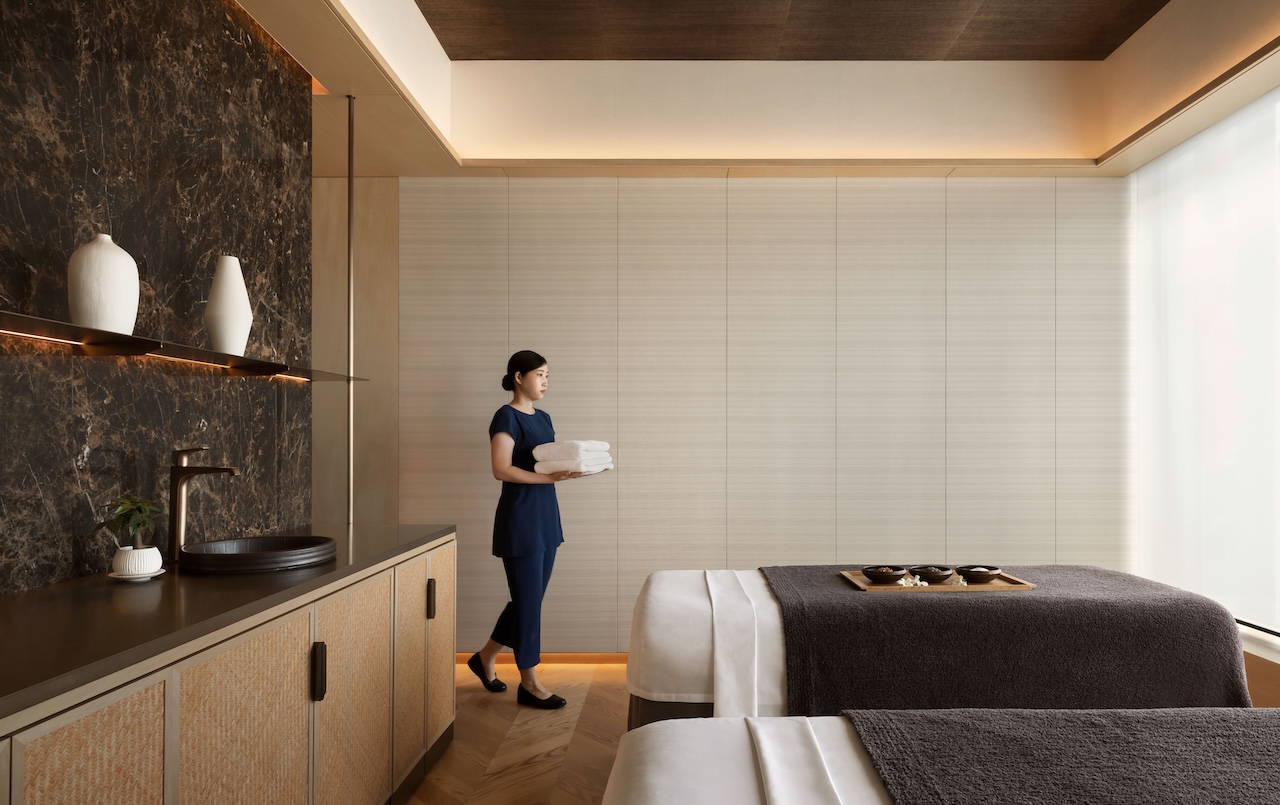
Japan’s southern region and its gateway city of Fukuoka offers plenty of rest and rejuvenation, whether you visit the surrounding onsen towns or while away the hours at The Ritz-Carlton Spa’s soothing wellness facilities. Their new, Art of Wellness journey brings together local traditions and premium ESPA products with gentle breathwork that soothes the mind and promotes deeper levels of relaxation. The massage targets tight muscles with a nourishing body oil before ending with light refreshments in the lounge area. For the ultimate treat, relax at the hotel’s 25m heated indoor pool, perfect for colder winter days, before moving to the treatment room for a deeply restorative massage.
Experience Fukuoka’s quality ingredients in the spa treatments at The Ritz-Carlton Fukuoka. Photo: The Ritz-Carlton Fukuoka
The spa menu also includes Kyushu-inspired treatments that use some of the region’s most sought-after ingredients such as rice, seaweed and ume (plum). Try the Itazuke Restore which uses brown rice from the region in heated pillows along with bran and stress-relieving mugwort to compliment a therapeutic massage using essential oils of rose geranium and sweet orange. Or indulge in the Oceanic Purity which uses seaweed from the Ariake Sea, filled with nutrients, vitamins and minerals for a body wrap and massage treatment that nourishes the body while toning and smoothing the skin.
Hong Kong: Yun Wellness, Island Shangri-La
This beautifully appointed retreat in the heart of Hong Kong’s urban jungle is soothing from the get-go. Dressed in greenery and soothing warm tones, Yun Wellness in the Island Shangri-La hotel brings its treatments to life through a thoughtful mix of traditional modalities and forward-thinking technology. Visiting practitioners also add an element of holistic wellness such as energy healing and meridian therapies by Master Franz Polanen Darmasada, and meridian and fascia therapy by Master Eric Lee that can improve mobility and sleep quality.
Yun Wellness combines modern equipment with traditional wellness in a nature-inspired environment. Photo: Island Shangri-La
Also worth making time for is the Yun Align, a new signature treatment that is a high energy meridian awakening therapy that combines Tui Na and Traditional Chinese Medicine meant to restore balance, and ease tiredness and stiffness. It includes meridian brushing on the back that relaxes the connective soft tissues, followed by an application of a soothing aromatherapy balm to boost circulation.
Danang: TIA Wellness Resort
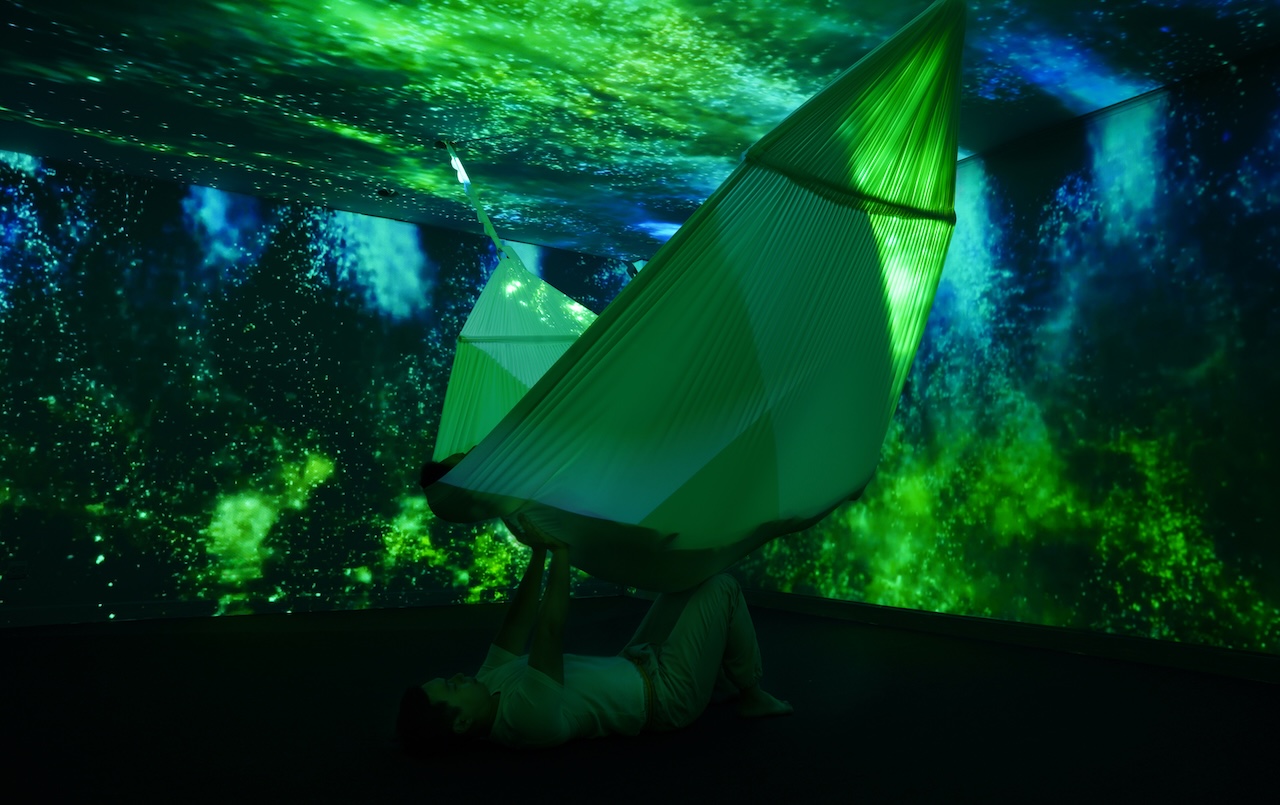
Offering the first of its kind in Vietnam, TIA Wellness Resort in Danang introduces Aerial Flow Therapy, an experience that takes place in a purpose-built room with a hammock at the centre of this tranquil treatment. As you lie peacefully suspended in a cocoon-like hammock, the therapist will guide you through gentle swaying and assisted stretching to decompress the spine and aid in joint relief. Around you, a 3D lightscape of shifting colours and shapes create a dreamlike atmosphere. The experience relaxes you both physically and mentally and is designed to enhance your mood, improve sleep quality, reduce stress and help reset your nervous system.
TIA Wellness Resort’s new aerial flow therapy is the first of its kind in Vietnam. Photo: Tia Wellness Resort
The 60-minute treatment is part of the resort’s Retreat Inclusive programme which allows guests to enjoy multiple therapies each day along with a plant-based meal plan and access to a wide range of wellbeing classes from HIIT to breathwork.
Phuket: Jara Wellbeing at Trisara Resort
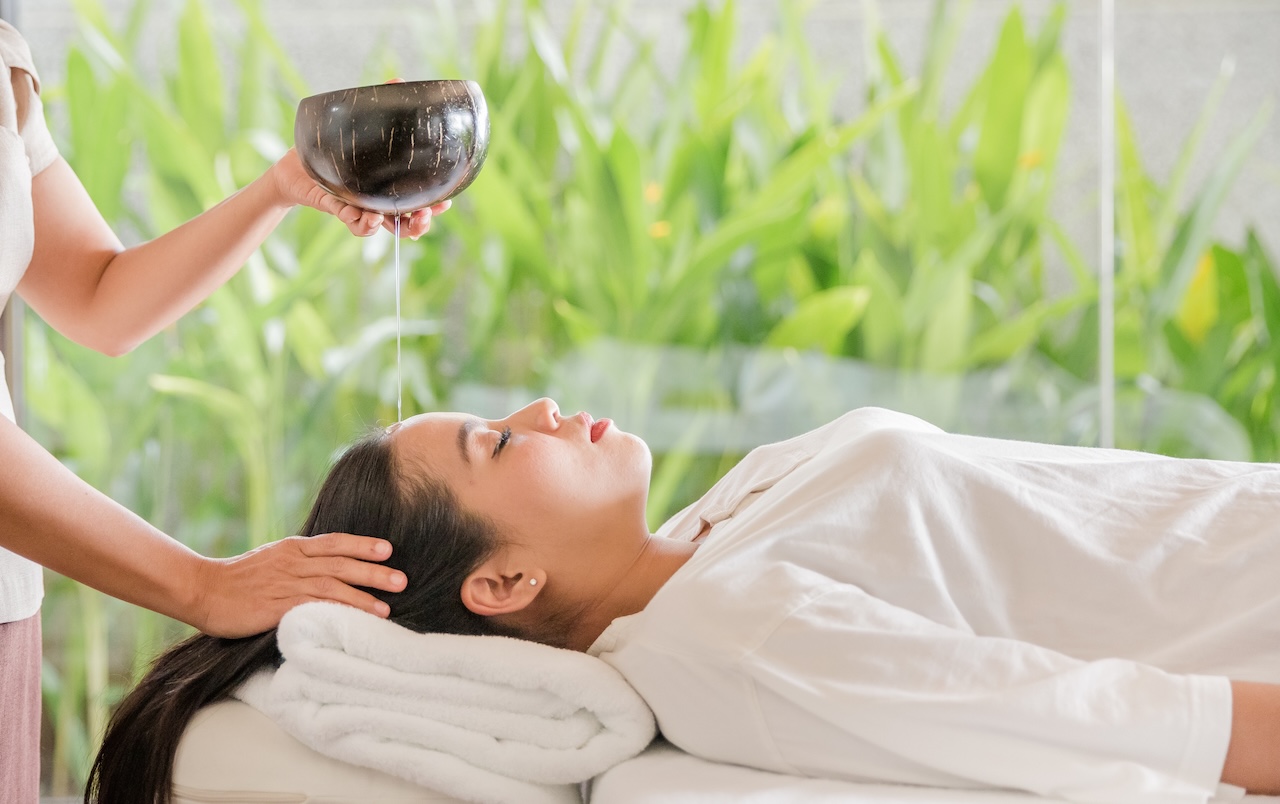
Located on the northern coast of Phuket, Thailand, Jara Wellbeing at Trisara Resort has launched a series of new wellness treatments that delve deeper into relaxation. Their Indian Head Massage treatment includes the use of therapeutic sound vibrations to calm the nervous system and improve mental balance, while their signature Reawakening Journey is designed for weary jetlagged travellers, and combines herbal steam, deep tissue massage, facial therapy and sound healing to help guests recalibrate to their surroundings. For a more traditional Thai experience, the Luk Pro Kob massage focuses on Sen Sib energy lines, while the Samunpai scrubs use aromatic local herbs to gently exfoliate the skin.
Experience an enhanced Indian Head Massage treatment at Trisara’s Jara Wellbeing. Photo: Trisara Resort
The resort is also focusing on offering wellness experiences for the whole family to enjoy together, from spa treatments that use organic coconut oil to fitness activities like Muay Thai and tennis lessons.
Bali: The Ungasan Clifftop Retreat
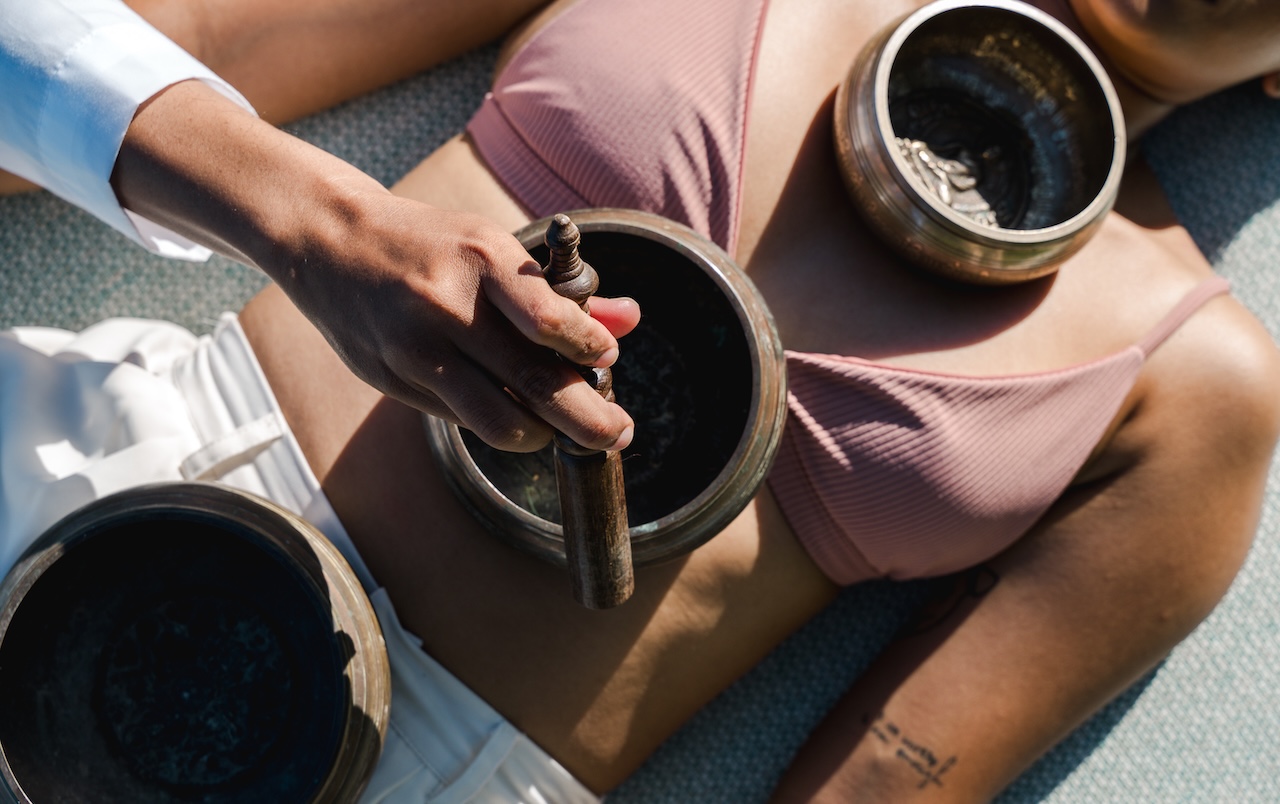
At this beautiful cliffside retreat at the southernmost tip of Bali, Indonesia, guests are invited to take part in The Ungasan’s Signature Spiritual Wellness Experience, led by Guru Ji Bagus, a Balinese healer whose master of traditional healing is matched only by his unconventional passion for heavy metal music. It is fitting then that Ungasan’s wellness experiences are about finding calm within chaos, and includes treatments such as the Seven Chakra Healing Bowls that cleanses energy pathways and prepares the body for renewal, and the Sacral Light Stone Therapy that connects to Bali’s spiritual heritage and involves an emotional and spiritual cleansing for inner harmony. This is followed with the Cool Bliss Cucumber Facial, a refreshing remedy touching on Bali’s natural healing elements to rejuvenate body and spirit.
Delve into Balinese traditions at The Ungasan Clifftop Retreat. Photo: The Ungasan Clifftop Retreat
The Signature Spiritual Wellness Experience also includes daily yoga sessions, meditative nature walks and resilience workshops alongside elegant private villa accommodation and bespoke butler services.
For more information on Singapore Airlines’ flights to the above destinations, visit singaporeair.com.
Located in Singapore’s vibrant East, Asador, Spanish for grill or roaster, has quietly built a name on its authentic wood-fire cooking. Regulars often return for its flavourful in-house dry-aged steaks, extensive list of Spanish wines, and warm hospitality. Eschewing garden-variety dishes like paella, the menu showcases regional specialities like Santoña’s famed anchovies. The premium 00 anchovies – Spain’s highest grade – are sublime: delicate and buttery on toast. Don’t miss the 100% acorn-fed Jamón Ibérico either; it’s melt-in-your-mouth tender with a lingering sweet-savoury depth.
The chargrilled octopus, served with potato pavé and red pepper purée, is a standout with the perfect balance of tender and chew. Also good: the roasted chicken with prunes, olives and shallot. For dessert, allow yourself to be tempted by the Tarta de Queso ‘La Viña’, a tribute to the original Basque cheesecake from San Sebastián, or order the Reverse Espresso Martini and watch it appear as if by magic from a ‘secret’ bar hidden in the back. Named 60ml as a nod to its generous pour, the vibey speakeasy-style cocktail lounge is just right for a digestivo or two.
Winter Olympics fever is in full swing, with the ongoing Milano Cortina 2026 Games shining a bright spotlight on Italy’s mountain regions. If watching wintersport champions like freestyle skier Eileen Gu, who represents China, or Japan’s gold-medal snowboarders Kimura Kira and Kokomo Murase defying gravity against the dramatic snow-capped mountain peaks has you daydreaming about your own Italian alpine escape, consider this your cue to plan your next vacation.
What is often overlooked is that many of Italy’s mountain destinations are not just winter playgrounds, but also suitable as year-round getaways. Ski season can stretch into April, which means there is still time to fit in a winter vacay this season. Or visit in the greener months, when hiking and biking trails open up so you can get your share of forest bathing.
These three Italian mountain regions, all accessible via Milan, each offer a different take on the highland lifestyle.
Holiday at a family friendly hamlet in Sestriere
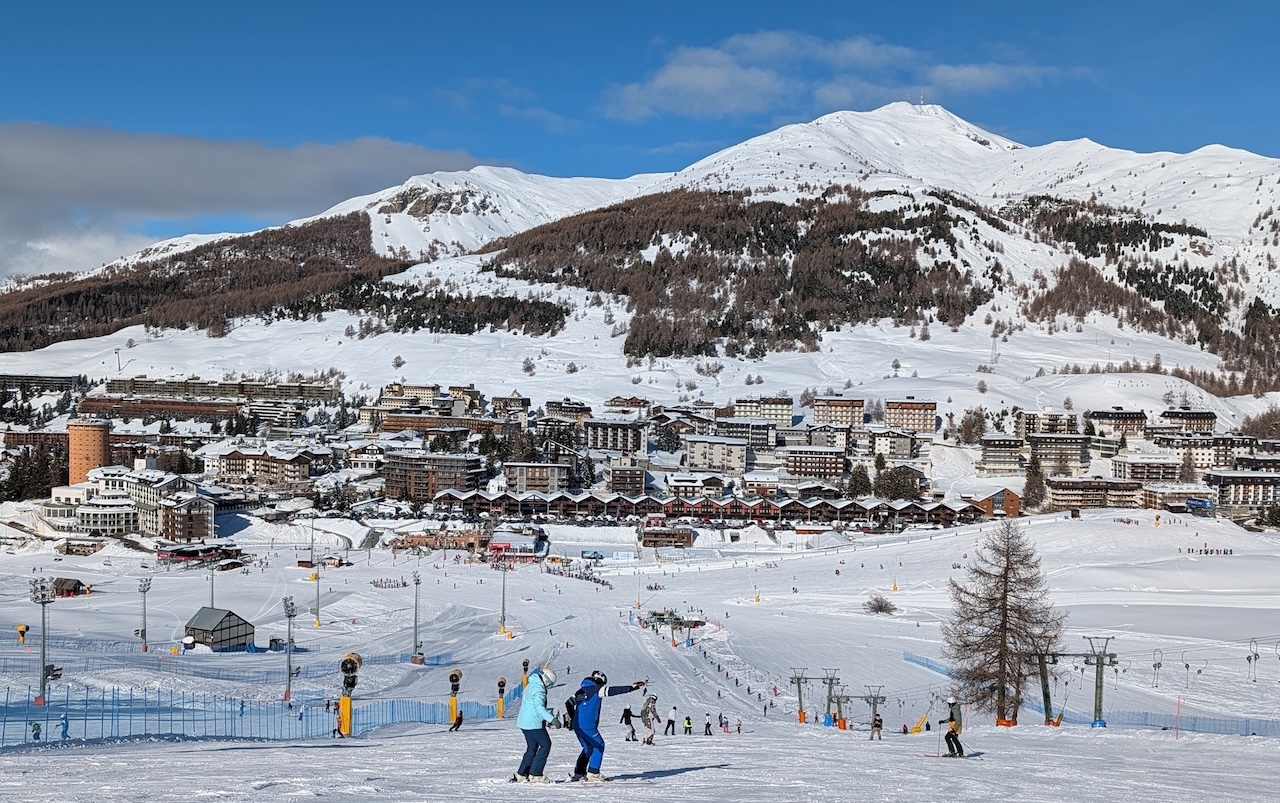
For a taste of the simple mountain life, head to Sestriere, a ski domain set at 1,600 metres in Italy’s northwestern Piedmont region, roughly a three-hour drive from Milan. Best known for hosting the alpine skiing events during the Torino 2006 Winter Olympics, the area offers well-groomed, competition-grade runs across the vast Via Lattea ski network, which stretches more than 400km across the Italian-French border.
Skiing is made accessible to all levels at Sestriere. Photo: Alex Toh
Yet, despite its pedigree, Sestriere is far from intimidating. Beginners and younger skiers will find plenty of accessible pistes and gentle slopes designed for those still finding their snow legs. Several small ski towns dot the region, but for a fuss-free, multi-generational holiday, the chalet-style hamlet of Pragelato makes a practical base. Originally built as an Olympic Village to house athletes, it was later reimagined as a leisure destination and is today home to Club Med Pragelato. Recent renovations have refreshed the resort’s facilities and interiors, preserving its cosy alpine feel while adapting it for contemporary family travel.
Even the youngest skiers can get lessons at Club Med Pragelato-Setriere. Photo: Club Med
The appeal lies in Club Med’s all-inclusive model, which bundles accommodation with ski lessons, equipment rental, lift passes and supervised kids’ clubs for ages two to 17. This removes much of the logistical juggling that often comes with winter holidays, from coordinating lessons to keeping younger travellers happily occupied. Beyond downhill skiing and snowboarding, guests can also try snowshoeing, cross-country skiing and even biathlon, offering a broader introduction to mountain sports.
In summer, Pragelato stands out as one of the few villages in the area that remains open. The focus shifts to warm-weather pursuits such as hiking, cycling and swimming, making the most of long days and clear alpine air.
Seek wellness in the Dolomites
With its iconic craggy peaks, the Dolomites form the beating heart of Italy’s Winter Olympics, with much of the sporting action centred in the towns of Cortina d’Ampezzo, Bormio and Livigno. But for travellers who favour restoration over adrenaline, the town of Brixen, three hours via train from Milan, offers a more contemplative counterpoint.
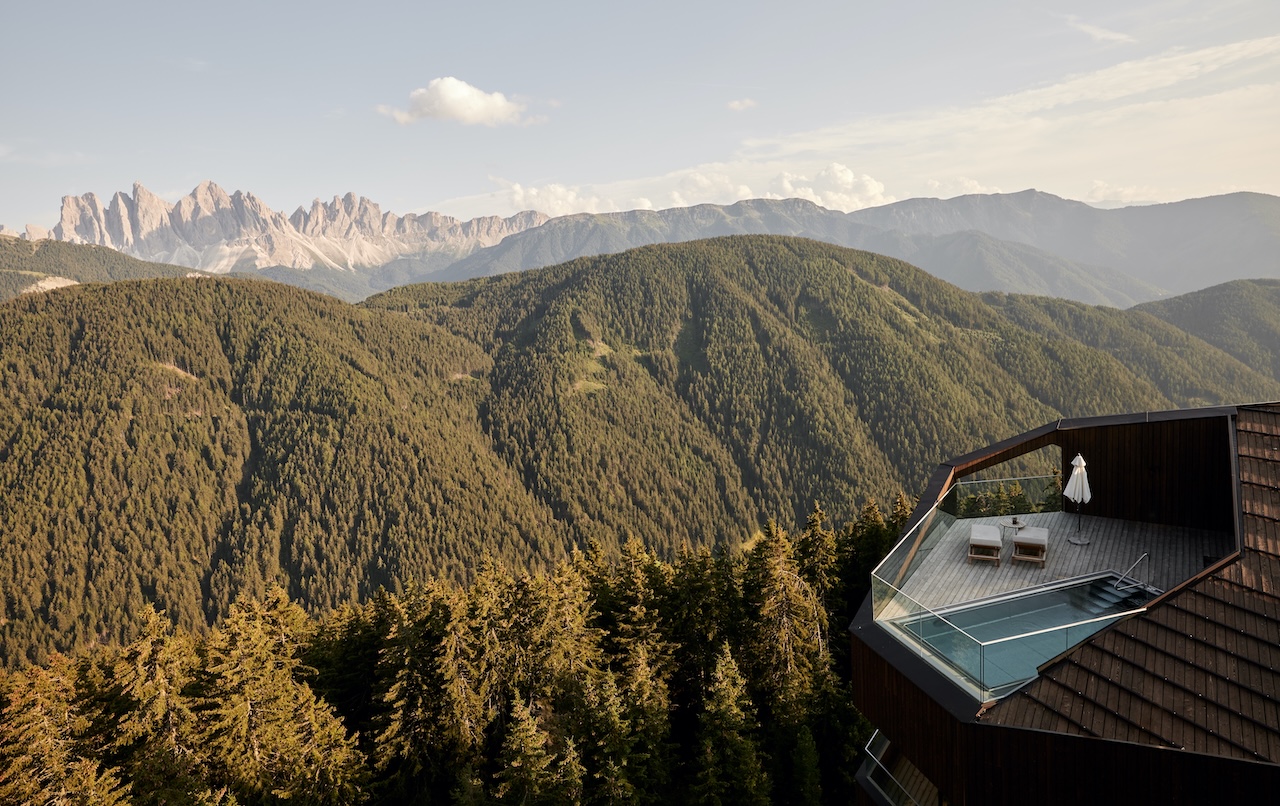
Summers in the Dolomites are just as fulfilling as the winter months. Photo: Forestis
Set high above the valley and enveloped by spruce, pine and larch forest, the luxury retreat Forestis is designed for switching off. From almost every corner, there are sweeping views of the jagged mountain range, a reminder of just how removed you are from the everyday. The spa is expansive and thoughtfully conceived, with an indoor-outdoor pool, a suite of saunas and a silent room. Therapies incorporate local stones and forest botanicals, grounding the experience firmly in place.
Food is another pillar of wellbeing. The kitchen takes a seasonal, forest-led approach, foraging for herbs and sourcing ingredients from nearby farms. Vegetables are dried or pickled following regional Celtic traditions, bread is baked in-house and jams are preserved on site. For an unforgettable meal, book a private dining meal at forest restaurant Yera, led by chef Roland Lamprecht.
The spa at Forestis offers sauna rooms with views of the surrounding lushness. Photo: Forestis
In winter, Forestis offers ski-in, ski-out access to 45km of pistes. A guided snowshoe hike through the Puez-Geisler Nature Park, across frozen streams and untouched snowfields, is particularly meditative. Come summer, hiking and cycling are de rigeuer. For a quieter moment, join a Wyda or Celtic yoga session, which is practiced out in the woods for a deeply grounding finish.
Alpine adventures and thrills at Breuil-Cervinia
Set beneath the unmistakable silhouette of the Matterhorn (known as Cervino on the Italian side of the Alps), Breuil-Cervinia is one of Italy’s most visually striking ski towns. Located in the Aosta Valley and reachable in about three hours by bus transfer from Milan, the resort sits at a lofty 2,050 metres above sea level. Its altitude brings a clear advantage: a long and reliable ski season that typically runs from late October to early May, with the added rarity of summer glacier skiing on the Plateau Rosa.
Wide pistes and an extended season make Breuil-Cervinia an excellent place to ski. Photo: Cervino Tourism
Downhill skiing is the main draw, with access to wide, confidence boosting pistes as well as more demanding, bucket-list black runs on the slopes of the Matterhorn. Beyond alpine skiing, Cervinia offers close to 30km of cross-country trails, while experienced skiers can venture off-piste on heli-skiing excursions. Other winter pursuits include ice skating, snowmobiling and paragliding, which offers a striking bird’s-eye view of the surrounding peaks.
When the snow melts, Cervinia transforms into an adventure-led summer destination. Via ferrata routes and fixed-rope climbs appeal to those seeking vertical challenges, while downhill mountain biking, hiking and Nordic walking make the most of the open terrain. Golf, horse riding and tennis round out the warmer-weather offerings.
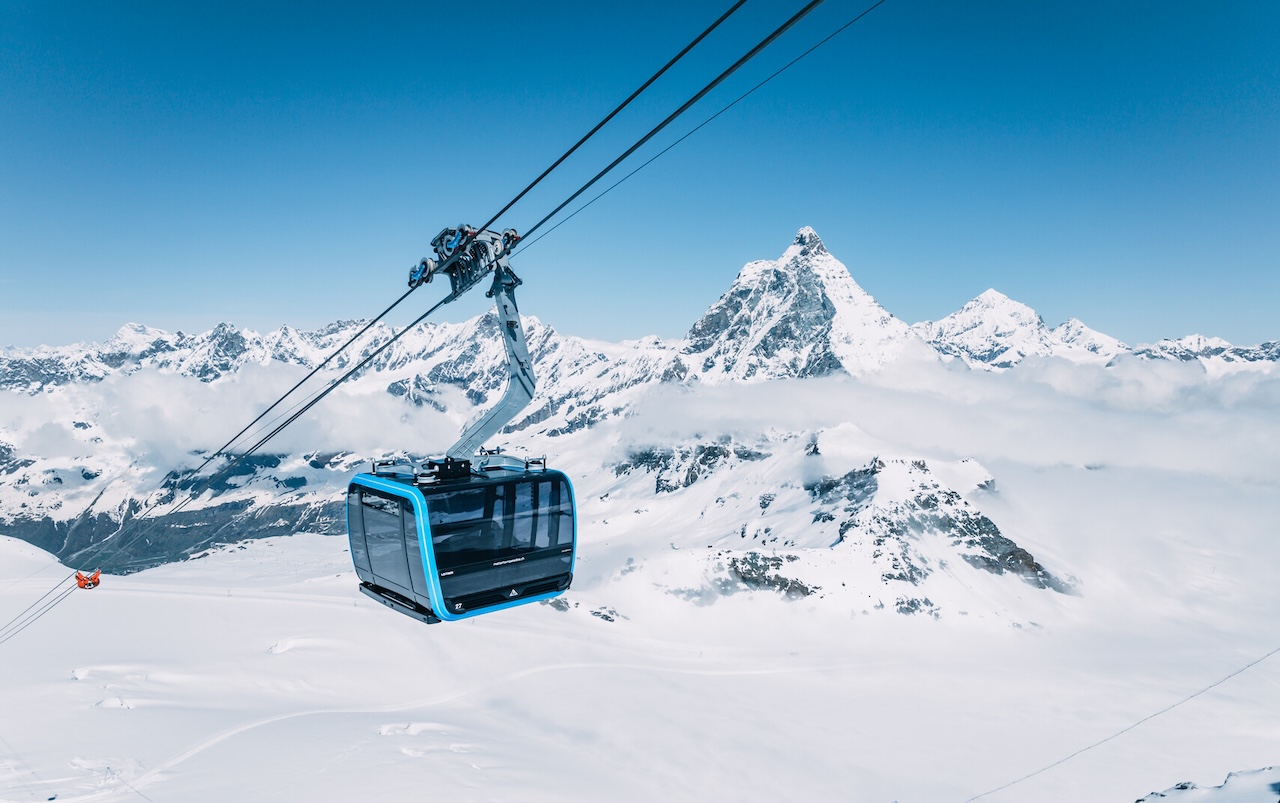
The new Matterhorn Glacier cable car is a must do for the views. Photo: Zermatt Bergbahnen
There are plenty of lodges in town, but for a more luxurious stay, Cervino – VRetreats, a Small Luxury Hotel, offers spectacular views of the surrounding mountains.
One final must-do: Cervinia now links directly to Zermatt in Switzerland via the Matterhorn Glacier cable car — the world’s highest alpine cableway crossing. The panoramic views are breathtaking and the novelty of stepping into Switzerland for a day trip makes this a worthwhile side quest.
For more information on Singapore Airlines’ flights to Milan, visit singaporeair.com.
Once a category relegated to the back of the menu, no- and low-alcohol cocktails have been steadily gaining popularity in bars in the last few years. Gone are the syrupy, candy-hued mocktails of yesteryear; today’s zero-proof drinks are nuanced, balanced and ingredient-led.
Moderation no longer begins and ends with “Dry January”; modern consumers are increasingly focused on drinking better rather than drinking less. As Hup San Social Club’s June Baek observes, “From what we see on the ground, the trend isn’t waning but evolving. While the no/low category is projected to grow significantly through 2028, the mindset has shifted from strict abstinence to what we call mindful drinking.” Here are some of the best spots in Singapore to imbibe with intention.
Origin Bar
At this elegant bar nestled in the Shangri-La Singapore, no/low alcohol cocktails aren’t just a trend anymore. “It’s more like a permanent shift,” declares director of beverage Adam Bursik. “Guests today want balance, wellness and choice. At Origin Bar, we design our menu around flavour and experience first, not alcohol level, so no- and low-ABV [the global standard for alcohol by volume] drinks feel fully integrated rather than like an afterthought.” He highlights their cocktail Bubble Club, made with distilled guava lychee, umeshu, vitamin C cordial and water as an example. “Dry, aromatic and complex, it surprises guests because it’s not booze-forward yet delivers real depth and structure.”
Bubble Club is known for its dry, aromatic and complex flavours. Photo: Origin Bar
When it comes to Dry January, Bursik is not a fan. “I absolutely dislike it. I believe in moderation, not overconsuming alcohol all year, then shocking our bodies by going dry for a month. I think it works better when it’s about discovery, not restriction. It helps people rethink their relationship with alcohol and explore new flavours.”
Pop City x Pony
This buzzing izakaya-style cocktail bar is a partnership between the Jigger & Pony Group and House of Suntory, so it’s no surprise you’ll find highballs here. Highballs are a classic Japanese favourite and naturally low-ABV, says Jigger & Pony’s bar programme director Aki Eguchi. Here, the Yamanote Highball is given a subtle aromatic lift with orange blossom water, while the more complex Shibuya-Hi is a palatable mix of gin, fig, coconut, agricole rum, lime and hinoki bitters.
The izakaya-style bar features cocktails listed by increasing strength on the menu. Photo: Pop City x Pony
While its inclusion of two different spirits might read strong on paper, the Shibuya-Hi only clocks in at a gentle 12.5% ABV. A classic negroni, by comparison, is around 22% ABV. For easy navigation, the menu includes a handy chart where the cocktails are arranged in increasing strength, allowing guests to choose how, and how much, they drink. Even a consummate bar professional like Eguchi practises moderation. “I want to enjoy the moment,” he shares. “If I drink two cans of Strong Zero, I’ll get drunk and sleepy. So now, when I have a drink with food, I’ll go lower ABV.”
The St Regis Bar
The St Regis, the storied institution famed for its stiff martinis and legendary Bloody Marys, might not be the obvious choice for lighter libations, yet the new bar’s no- and low-alcohol offerings are just as sophisticated. The tart, refreshing Singa Supper Club (6% ABV), for instance, is a surprisingly layered drink, comprising tequila, jackfruit, rum, cantaloupe, suze, calamansi and coconut water.
St Regis Singa Supper Club is a layered drink that is only 6% ABV. Photo: St Regis Singapore
Only slightly boozier is the Velvet Underground at 12% ABV, the bar’s take on the classic Grasshopper, with Rémy Martin VSOP cognac, Giffard Menthe-Pastille and crème de cacao, finished with Fernet-Branca and a scoop of salted ice cream. The alcohol-free choices are no less compelling – the fragrant Time Capsule evokes the richness of sangria with Lyre’s Aperitif Rosso, roasted oolong and ginger beer.
Parliament
Another bar to visit if you’re seeking highballs is the funky Parliament on Keong Saik Road; from Tuesdays to Thursdays during Happy Hour, they go for just $10 a pop. Here you’ll find lighter tall drinks like Paloma and Tom Collins, and zero-proof classics like the Shirley Temple (featuring homemade lemonade and grenadine). The menu caters to everyone, says co-founder Daniel Raghani, including non-drinkers. “We have quite a bit of options here.
Parliament offers as many no-low drink options as it does stronger ones. Photo: Parliament
Maybe it’s an aesthetic thing, but we have a lot of young people coming in just for food, which is kind of strange, because we’re very bar-focused.” The bar is currently working on a new menu, which coincidentally, will include more lower-ABV drinks. “They’re Japanese-inspired – very refreshing, citrus-forward. We’re using sochu as the base, so it’s definitely lower ABV. You don’t feel it as much, and it’s super refreshing.”
Cat Bite Club
Regarded as one of Asia’s best cocktail bars, Cat Bite Club is best known for its love of agave and rice spirits, but the bar is also an innovator in the no- and low-ABV space. Its repertoire includes a curation of ”mirrored” cocktails, indicated on the menu with a blue cat motif, which can be made alcohol-free by request. The tequila-based Puss in Boot is a guava milk punch with maple and cinnamon.
Tequila-based Puss in Boot is a mult-layered and flavourful concoction. Photo: Allyson Chin
To make it zero-proof, founding partner Jesse Vida explains, “We do the milk washing process without alcohol. We add guava, maple, lemon, lime, cinnamon, followed by milk and let it curdle. The whey is slowly fine-strained through a cloth for a silky and delicate texture.” This level of meticulous care, which is still rarely afforded to non-alcoholic drinks, essentially recreates the experience of the original cocktail as closely as possible – from its layered flavours to its heft and texture – proving that they are no less sophisticated than their alcoholic counterparts.
For more information on Singapore Airlines’ flights to Singapore, visit singaporeair.com.